Scalp Micropigmentation in Los Angeles
Natural-Looking Scalp Pigmentation for Thinning Hair, Receding Hairlines and a Fuller Appearance
Customized Scalp Micropigmentation (SMP)
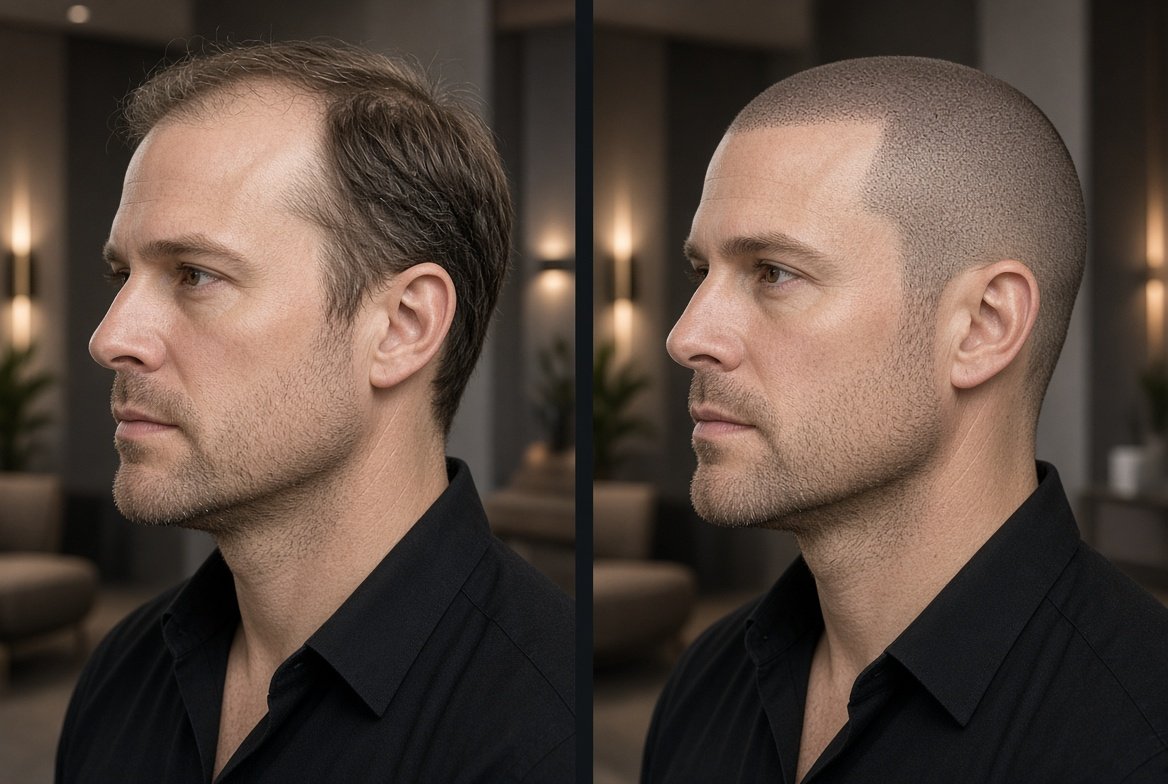
Scalp micropigmentation, often called SMP, is a specialized cosmetic tattoo technique that places small pigment impressions throughout selected areas of the scalp. These impressions are designed to resemble closely cut hair follicles or reduce the contrast between existing hair and visible scalp. SMP does not grow new hair; it is a camouflage technique that can make areas of thinning or hair loss appear less noticeable. Published clinical literature describes SMP as tattoo-based camouflage for thinning areas, alopecia, and selected scalp scars.
Professional hair scalp micropigmentation can be customized for a receding hairline, thinning crown, diffuse scalp visibility, a closely shaved appearance, or selected scar camouflage. The design considers your existing hair pattern, scalp tone, facial proportions, hairline preference, degree of hair loss, and the possibility that your natural hair may continue changing in the future.
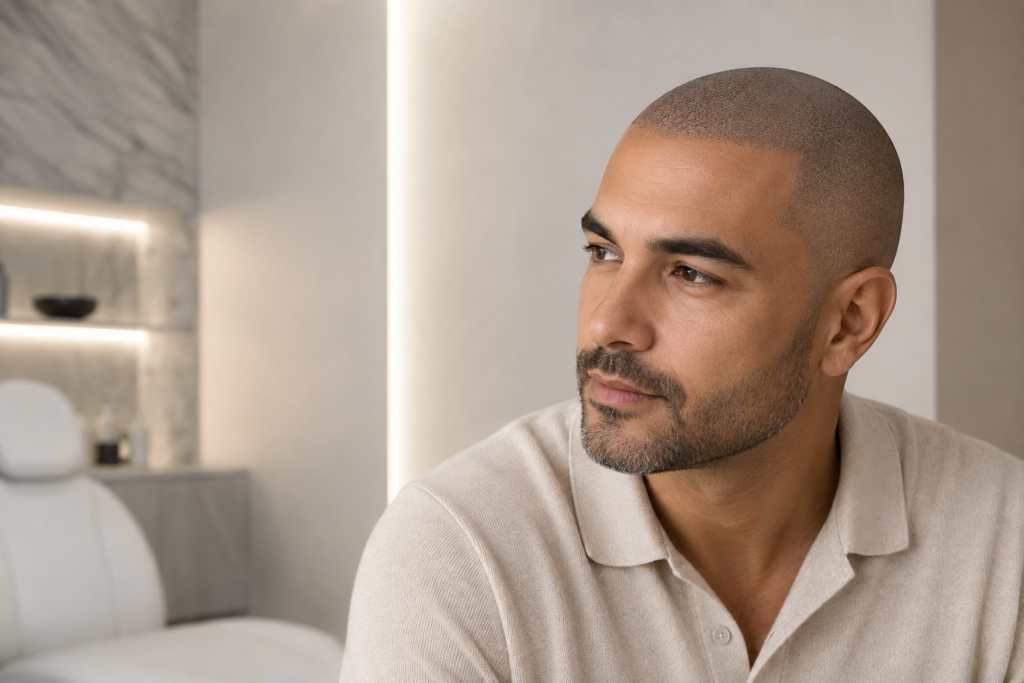
Benefits of Scalp Micropigmentation
Creates the Appearance of Hair Follicles
Reduces Visible Scalp Contrast
Customizes a Receding Hairline
Useful for Crown and Diffuse Thinning
Popular Scalp Micropigmentation for Men
Scalp micropigmentation for men is commonly chosen for male-pattern hair loss, receding hairlines, crown thinning, or a shaved-head appearance.
Not Limited to Men
Can Camouflage Selected Scalp Scars
No Hair Transplant Surgery
Gradual, Adjustable Treatment
Can Complement Existing Hair
Who Is Scalp Micropigmentation For?
SMP May Be Right for You If You Have:
- A receding hairline
- Male-pattern hair loss
- A thinning crown
- Diffuse thinning
- Visible scalp between existing hairs
- A preference for a closely shaved appearance
- Selected hair-transplant scars
- Selected surgical or traumatic scalp scars
- Stable areas of alopecia appropriate for cosmetic camouflage
- Previous hair transplantation with remaining visible scalp
- Realistic expectations about what pigmentation can achieve
Scalp Micropigmentation for Men
For men who prefer a buzz-cut or closely shaved style, pigment impressions can be used to create the visual effect of follicles extending through areas where hair has become sparse.
Hairline design is particularly important. The best scalp micropigmentation result should complement facial structure and age rather than creating an unnaturally sharp or excessively low hairline.
SMP for Thinning Longer Hair
A shaved scalp is not the only possible application. When hair remains but visible scalp creates an impression of thinning, pigment can sometimes be placed between existing hairs to reduce scalp contrast.
The result depends on the amount and pattern of remaining hair. SMP cannot compensate indefinitely if progressive hair loss later exposes significantly larger areas.
✨ Process: How Brows Scalp Micropigmentation
Consultation
Your consultation evaluates:
- Current hair-loss pattern
- Scalp visibility
- Existing hair density
- Hair color
- Skin tone
- Hairline position
- Crown thinning
- Scalp scars
- Previous hair transplant
- Previous SMP
- Medical and skin history
- Desired level of definition
If hair loss is sudden, unexplained, inflamed, patchy, or associated with scalp symptoms, medical evaluation may be recommended before cosmetic treatment.
Hairline and Treatment Design
The proposed hairline and treatment zones are planned before pigment application.
The goal is to create a design that works with your natural facial proportions and existing hair rather than simply drawing the lowest possible hairline.
Pigment Selection
Pigment is selected according to your skin and hair appearance.
The goal is visual integration rather than an overly dark, solid block of color.
First SMP Session
The first session establishes the overall framework and initial follicular pattern.
A conservative first treatment allows the healed result to be reviewed before more density is added.
Healing and Assessment
As redness settles and the surface heals, the appearance changes from the immediate post-procedure result.
Some superficial pigment may soften or appear lighter during healing.
Additional Density Sessions
Additional sessions build density, refine transitions, and make adjustments where needed.
Published SMP literature commonly describes multiple treatment sessions rather than a one-session approach, with studies reporting protocols involving approximately two to four sessions depending on the case.
Final Refinement
The hairline, crown, density, transitions, and remaining lighter areas can be reviewed once previous work has healed.
Who Should Avoid Scalp Micropigmentation?
Treatment may need to be postponed or require medical clearance when you have:
- Active scalp infection
- Open wounds
- Active folliculitis
- Significant sunburn
- Active dermatitis or eczema in the treatment area
- Active psoriasis or another inflammatory scalp flare
- Uncontrolled diabetes or impaired healing
- A bleeding disorder
- Medication affecting bleeding that has not been reviewed
- Significant immune suppression
- Previous serious pigment reaction
- A strong tendency toward keloid scarring
- Recent scalp surgery that has not fully healed
- A suspicious scalp lesion
- Unrealistic expectations about hair regrowth
Do not stop prescription medication or blood thinners independently. Discuss medication concerns with the prescribing healthcare professional.
Pregnancy and breastfeeding should also be disclosed before elective micropigmentation.
Scalp Micropigmentation Healing Process
The Nano Brows healing process happens gradually over several weeks. Understanding each stage helps set realistic expectations and ensures the best possible results.
Immediately After Treatment
The scalp may appear:
- Red
- Slightly swollen
- Tender
- More intensely pigmented than the final healed appearance
First Several Days
Redness and tenderness should gradually settle. Tiny treatment points may appear darker before softening as the skin recovers.
Avoid scratching, picking, or trying to remove flakes.
Following Weeks
The pigment becomes easier to evaluate as the scalp settles.
Some areas may heal lighter than others, which is one reason SMP is commonly built through several sessions.
Following Months
The final visual effect should look more integrated once all planned sessions have healed.
UV exposure and individual pigment behavior can influence fading or color change over time.
Scalp Micropigmentation Aftercare
Your practitioner’s written scalp micropigmentation aftercare instructions should take priority.
General guidance may include:
- Keep the scalp clean as instructed
- Wash your hands before touching treated skin
- Avoid scratching or picking
- Avoid aggressive scalp products during early healing
- Delay shaving directly over healing skin until instructed
- Avoid heavy sweating for the recommended healing period
- Avoid swimming while the skin is freshly treated
- Avoid soaking the scalp
- Avoid saunas and steam during early healing
- Avoid applying unapproved products
- Protect the scalp from excessive sun exposure
- Follow instructions before restarting topical hair products
Recent tattoos and open skin should also be protected from potentially contaminated water. California public-health guidance warns that recent tattoos and open wounds should be kept out of seawater or brackish water because of infection risk.
Long-Term Sun Protection
UV exposure can contribute to pigment fading or color changes. Sun protection is therefore important after healing, particularly for clients with shaved or closely cropped hair that leaves the scalp exposed.
Scalp Micropigmentation Touch-Ups
Initial Refinement
SMP is commonly created through multiple sessions rather than one appointment. Each healed session helps determine where additional density or refinement may be useful.
Touch-Up Appointments
A touch-up may be recommended when:
- Some areas heal lighter
- More density is desired
- A transition needs refinement
- The hairline requires a small adjustment
- Previous SMP has faded
- Natural hair loss has progressed
How Long Does Scalp Micropigmentation Last?
There is no universal number of years that applies to everyone.
Pigment is intentionally implanted into the skin and SMP is a long-lasting form of cosmetic tattooing, but its visible appearance can gradually fade and change. Published research confirms that fading occurs and that touch-ups can be necessary over time; recent researchers also note that long-term retention data remain limited.
Los Angeles' Trusted Permanent Makeup Experts
Why Choose Beverly Microblading Center?

Licensed & Certified Professionals

11+ Years of Experience in Microblading

30+ Years of Experience in PMU

Customized Brow Mapping

Premium Quality Pigments

Single-Use Sterile Needles

Complimentary Consultation

Thousands of Happy Clients

Luxury, Clean & Welcoming Studio
Testimonials
Trusted Feedback from Real Clients
— Client, Westwood
— Client, Beverly Hills
— Client, Century City
— Client, Brentwood
— Client, Santa Monica
Everything You Need to Know About Scalp Micropigmentation
Frequently Asked Questions
What Is Scalp Micropigmentation?
How Does Scalp Micropigmentation Work?
Is Scalp Micropigmentation Permanent?
How Long Does Scalp Micropigmentation Last?
What Are the Benefits of Scalp Micropigmentation?
Is Scalp Micropigmentation for Men Only?
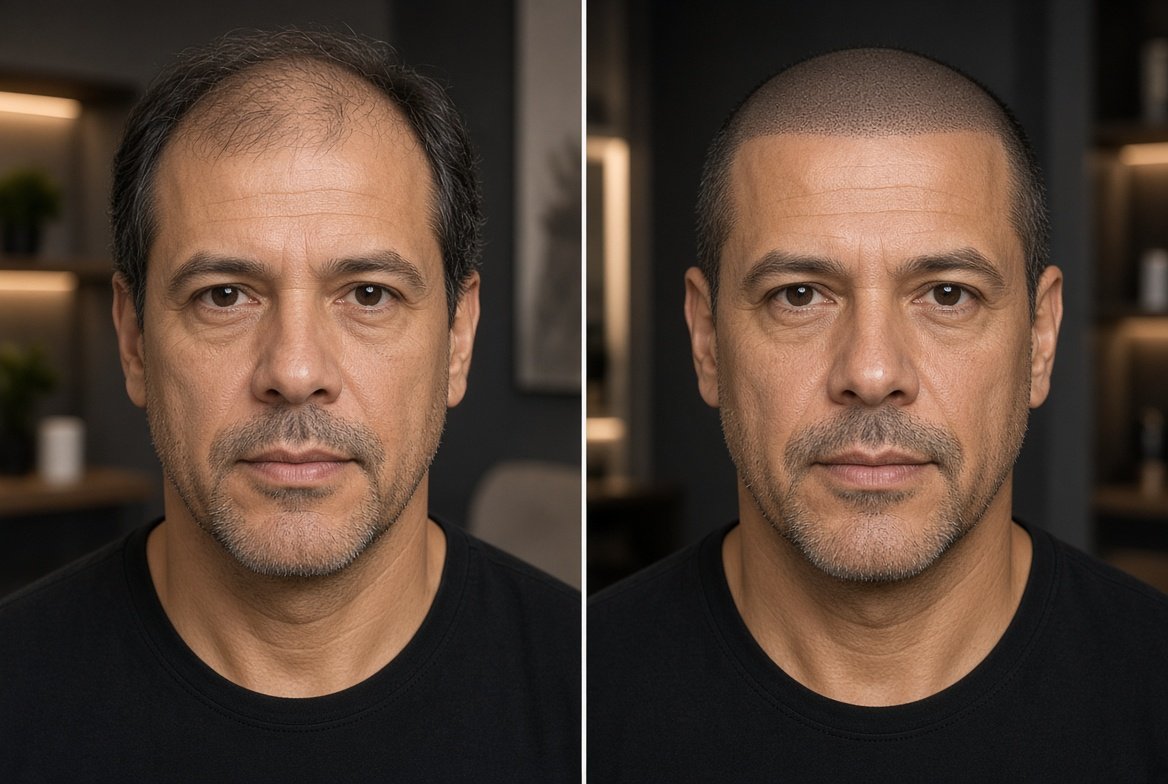
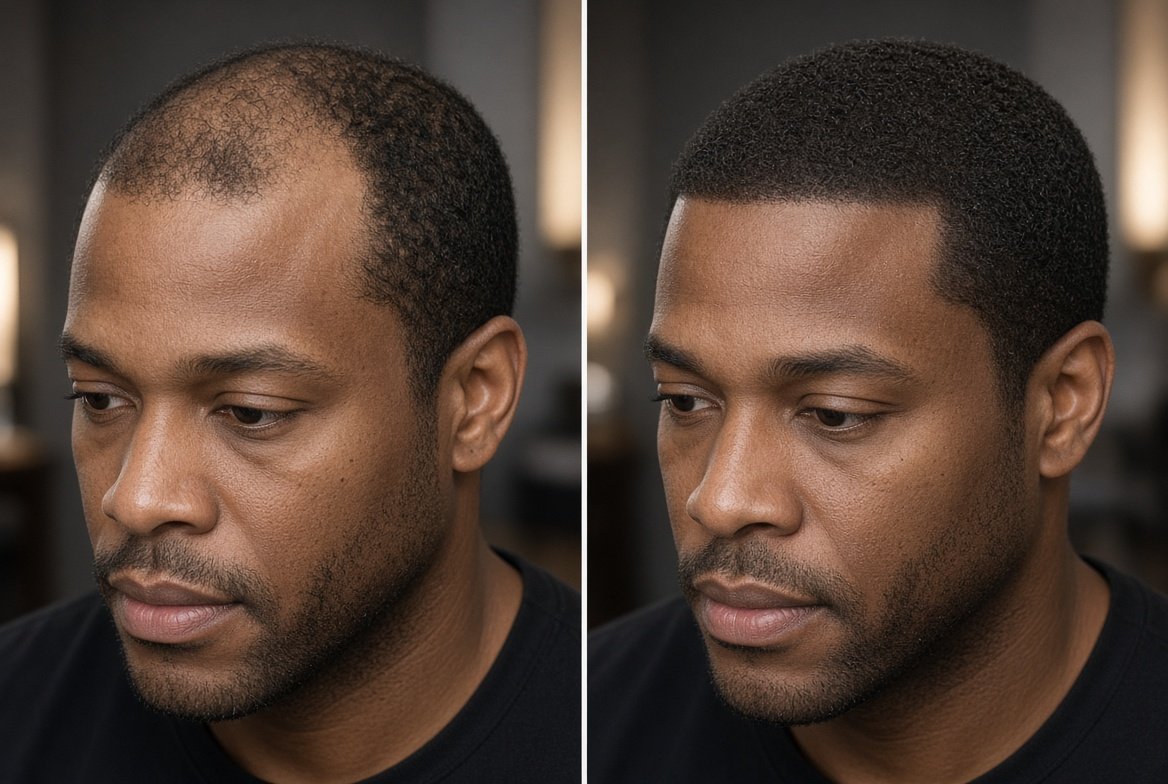
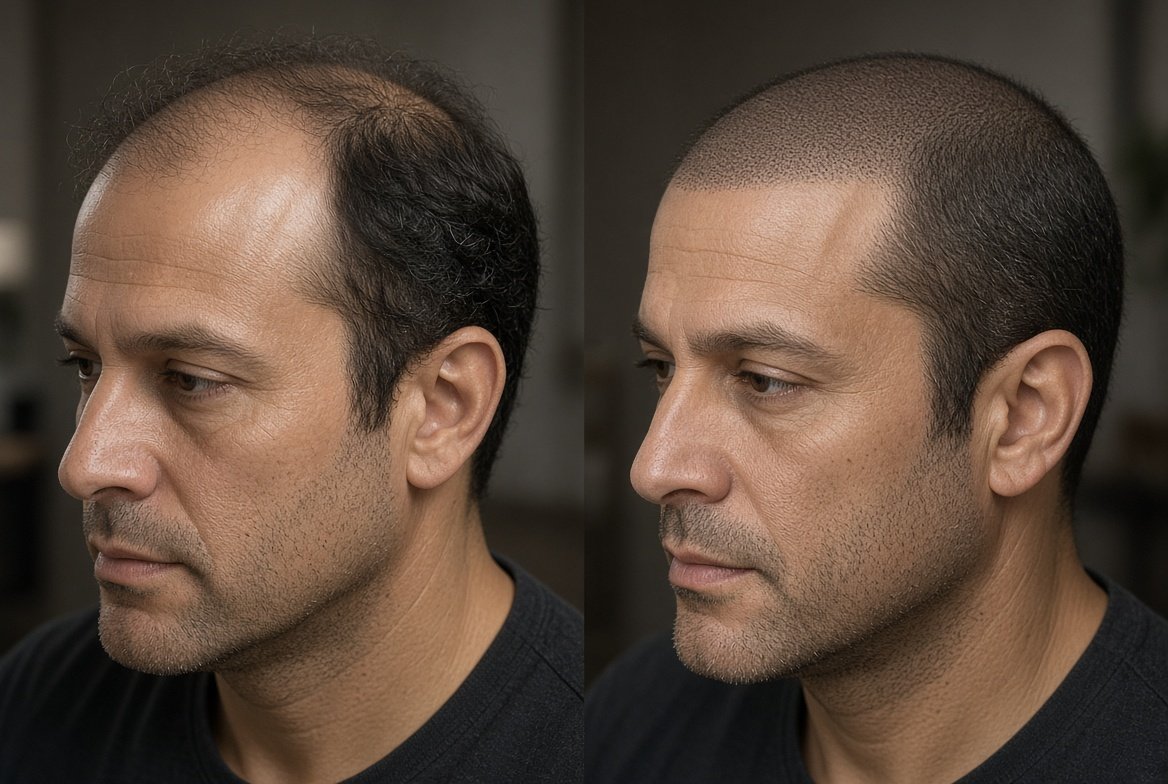
What Should I Look for in Scalp Micropigmentation Before and After Photos?
What Does Scalp Micropigmentation Cost?
Does Scalp Micropigmentation Grow Hair?
Where Can I Find the Best Scalp Micropigmentation in Los Angeles?
Featured Post
Learn More From Our Scalp Micropigmentation Blogs