Scar Treatments in Los Angeles
Personalized Scar Treatment for Acne Scars, Surgical Scars, Raised Scars and Uneven Skin Texture
Scar Treatment
Every scar is different, which is why effective scar treatment should be tailored to the scar’s type, texture, color, location, and age. Our approach focuses on improving the appearance of suitable acne scars, surgical scars, raised scars, and other visible skin concerns with treatment options selected around your individual needs.
Depending on the scar, a personalized skin scar treatment plan may include resurfacing, microneedling, laser-based options, or referral for surgical scar treatment when appropriate. The goal is to soften visible texture, improve tone, and make the scar less noticeable while maintaining realistic expectations.
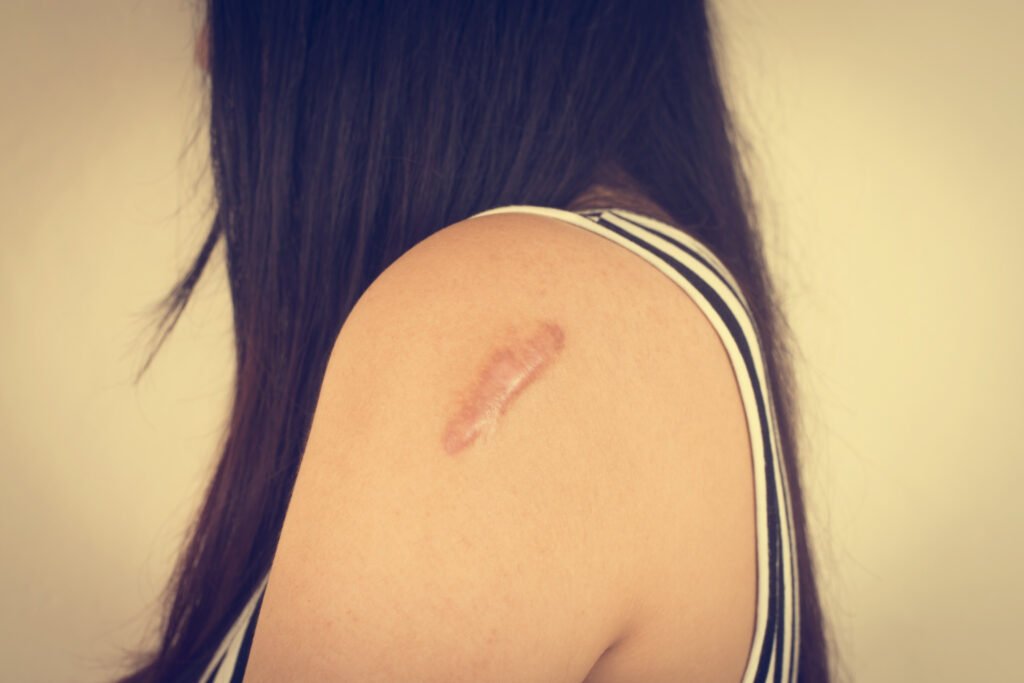
Understanding Your Scar Before Treatment
Depressed or Atrophic Scars
These sit below the surrounding skin surface and are common after acne.
Depending on the exact scar pattern, treatment may involve approaches such as microneedling, laser resurfacing, chemical peeling, fillers, or minor scar procedures performed by qualified healthcare professionals. Dermatologists frequently combine treatments for depressed acne scars because one technique may not address every scar type.
Raised Hypertrophic Scars
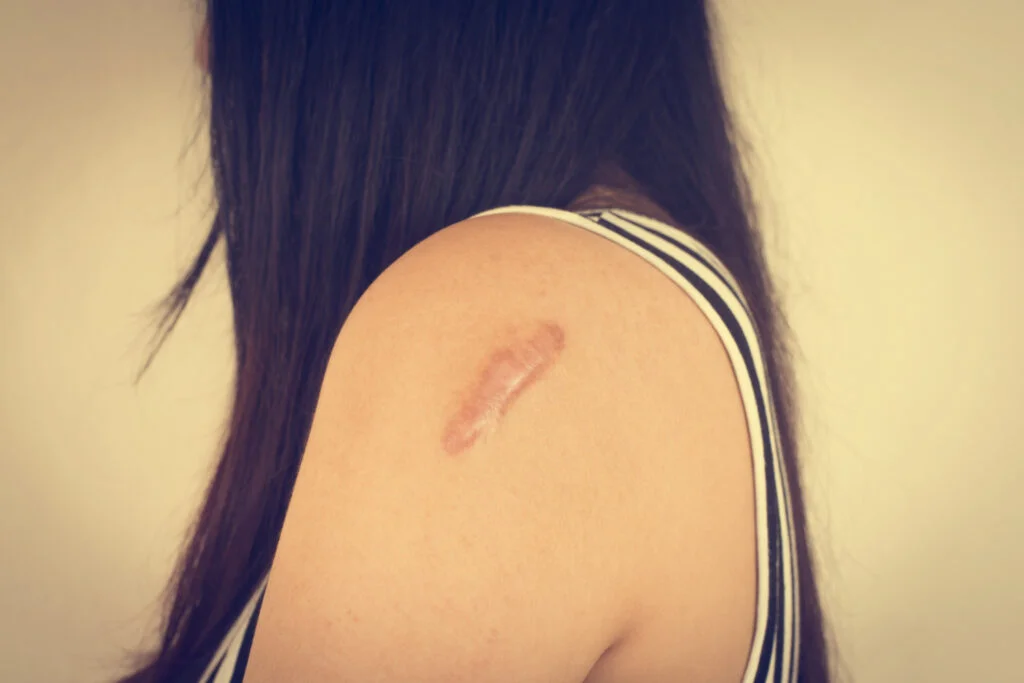
Hypertrophic scars remain within the boundaries of the original wound but may become thick, red, firm, or uncomfortable.
Treatment may require medical approaches different from those used for depressed scars.
Keloid Scars
Keloids grow beyond the boundaries of the original wound and may itch, hurt, or continue enlarging. They should be medically assessed rather than treated as ordinary cosmetic texture.
Surgical Scars
A surgical scar treatment plan depends on how the incision healed. Some scars primarily need time and supportive care, while others may benefit from silicone, laser treatment, injections, resurfacing, or eventual surgical revision.
Discolored or Red Scars
Contracture Scars
What Scar Treatment Options May Be Considered?
Silicone-Based Scar Care
Silicone sheets or gels may be used for selected raised scars and can also be considered after surgery once the wound has appropriately closed. AAD describes silicone as an option that may reduce scar size, hardness, redness, swelling, itching, or stiffness.
Microneedling
Certain FDA-authorized microneedling devices are cleared to improve the appearance of facial acne scars and abdominal scars in adults age 22 and older. More than one treatment may be needed, and risks include redness, bleeding, bruising, pigment changes, infection, and other skin reactions.
Microneedling should not automatically be used for every scar. The FDA lists several situations where the procedure may not be suitable, including active infection, certain medical conditions, keloid history, some inflammatory skin conditions, and other risk factors.
Laser and Light Treatments
Dermatologists may use laser or light-based treatment for selected scars to address redness, raised scars, some depressed scars, discomfort, or other scar characteristics. The appropriate device and treatment plan depend on the scar and skin.
In California, medical laser procedures must be performed by appropriately qualified medical professionals.
Medical Injections
Certain raised scars and keloids may be treated by dermatologists with injected medications, sometimes in combination with laser, cryotherapy, or other approaches.
Scar Revision Surgery
Scar removal surgery is more accurately called scar revision because surgery creates another wound and therefore another scar. The purpose is to replace or reposition an unfavorable scar so that the final scar may be less conspicuous or more functional.
Benefits of Scar Treatment
Treatment Matched to Your Scar Type
Improves the Appearance of Selected Scars
Customized Facial Scar Treatment
Addresses More Than Cosmetic Appearance
Non-Surgical and Surgical Options Can Be Compared
More Realistic Expectations
Convenient Follow-Up in Westwood
Who Is Scar Treatment For?
Scar Treatment May Be Appropriate for People With:
- Depressed acne scars
- Selected facial scars
- Stable surgical scars
- Raised hypertrophic scars
- Selected keloids under medical care
- Scars with persistent redness or discoloration
- Scars that feel firm or uncomfortable
- Scars from previous injury
- Abdominal surgical scars
- Scars that remain cosmetically noticeable after healing
- Selected scars affecting movement or function
- Realistic expectations about scar improvement
A facial scar treatment consultation may be particularly useful when multiple acne-scar types are present because different depressed scars may require different procedures or combinations.
✨ Process: How Scar Treatment Works
Scar Consultation
Your visit begins with an assessment of:
- How the scar developed
- Scar age
- Location
- Color
- Texture
- Depth or elevation
- Symptoms
- Previous treatment
- Skin tone
- Medical history
- Medication history
- Tendency toward keloids or abnormal healing
- Treatment goals
Identify the Scar Type
The treatment approach depends on whether the scar is:
- Depressed
- Raised
- Keloidal
- Surgical
- Discolored
- Contracted
- Primarily textural
Identifying the scar correctly is essential because different scar types require different treatment.
Define What You Want to Improve
Are you concerned mainly about:
- Depth?
- Redness?
- Width?
- Texture?
- Pigmentation?
- Raised tissue?
- Itching or discomfort?
- Facial appearance?
This helps distinguish between a skin scar treatment, resurfacing approach, medical scar treatment, or possible surgical scar treatment.
Select an Appropriate Treatment Strategy
Depending on the scar and provider scope, treatment may involve one method or a combination of approaches.
For acne scars, dermatologists commonly individualize treatment and may combine procedures to improve different scar types.
Treatment
The actual procedure varies considerably.
A microneedling session is very different from laser therapy, medical injections, or scar removal surgery. You should receive procedure-specific information about benefits, risks, expected recovery, and aftercare before treatment.
Healing
Scar improvement is rarely immediate. Some procedures depend on gradual skin remodeling and may take weeks or months before the full visible change can be evaluated.
Reassessment
After sufficient healing, the scar is reassessed before further treatment.
The next step might be:
- No additional treatment
- Another session of the same modality
- A different complementary treatment
- Referral for dermatologic or surgical assessment
Who Should Avoid Scar Treatment?
Contraindications depend on the exact procedure, so there is no single list appropriate to every type of scar treatment.
Treatment may need to be postponed when there is:
- Active skin infection
- Open wounds
- An incompletely healed surgical incision
- Significant active inflammation
- Active dermatitis or eczema in the treatment area
- Uncontrolled acne when treating acne scars
- A suspicious skin lesion
- Significant sunburn or recent tanning before certain procedures
- A medical condition affecting wound healing
- Medications that affect the safety of the planned procedure
- Pregnancy or breastfeeding for procedures where the selected treatment is not appropriate
- A significant history of keloid formation before procedures that intentionally injure skin
For microneedling specifically, FDA lists several situations that may make treatment unsuitable, including active skin infection, immune suppression, uncontrolled diabetes, bleeding disorders, anticoagulant therapy, active inflammatory skin disease, certain recent acne medication use, keloid history, pregnancy, and additional factors.
Scar Treatment Healing Process
There is no universal recovery period for scar treatments.
After Microneedling
Temporary effects can include:
- Redness
- Tightness
- Dryness
- Itching
- Peeling
After Laser Treatment
Recovery depends on the laser or light device used and the intensity of treatment. Redness, swelling, sensitivity, crusting, or pigment changes may occur depending on the procedure.
After Medical Injections
Temporary swelling, tenderness, discoloration, or other injection-related effects can occur depending on the medication.
After Scar Revision Surgery
Scar Treatment Aftercare
Your aftercare must match the procedure you actually received.
General principles can include:
- Keep the treated area clean as instructed
- Avoid scratching, rubbing, or picking
- Follow wound-care instructions carefully
- Use only recommended skincare products
- Avoid aggressive exfoliation during healing
- Protect healing skin from unnecessary friction
- Avoid intentional tanning
- Follow sun-protection recommendations
- Attend scheduled follow-up appointments
- Continue acne management when acne caused the scars
AAD recommends continuing acne control because new breakouts can create new scars even while older scars are being treated.
If you develop increasing pain, spreading redness, significant swelling, pus, fever, delayed wound healing, or another concerning reaction after a procedure, contact the treating healthcare professional.
Scar Treatment Touch-Ups
Will I Need More Than One Scar Treatment?
Possibly.
Many scar treatments are performed as a series rather than a one-time procedure.
For example, FDA notes that microneedling may require more than one treatment to achieve the desired aesthetic improvement.
AAD also notes that acne-scar treatment frequently involves several sessions or a combination of different methods.
Future treatment depends on:
- Scar type
- Treatment selected
- Degree of improvement
- Healing response
- Whether several scar concerns are being addressed
- New acne or injury
- Personal treatment goals
The aim should not be endless procedures. Each follow-up should evaluate whether another session is likely to add meaningful improvement.
Los Angeles' Trusted Permanent Makeup Experts
Why Choose Beverly Microblading Center?

Licensed & Certified Professionals

11+ Years of Experience in Microblading

30+ Years of Experience in PMU

Customized Brow Mapping

Premium Quality Pigments

Single-Use Sterile Needles

Complimentary Consultation

Thousands of Happy Clients

Luxury, Clean & Welcoming Studio
Testimonials
Trusted Feedback from Real Clients
— Client, Westwood
— Client, Beverly Hills
— Client, Century City
— Client, Brentwood
— Client, Santa Monica
Everything You Need to Know About Scar Treatment
Frequently Asked Questions
What Is the Best Scar Treatment?
The best scar treatment depends on the type of scar. Depressed acne scars, raised hypertrophic scars, keloids, surgical scars, and discolored scars may require very different approaches. A proper assessment should come before selecting a procedure.
What Is the Best Treatment for Scars on the Face?
The best treatment for scars on the face depends on whether they are depressed, raised, discolored, or related to active acne. A facial scar treatment plan may combine techniques such as microneedling, laser treatment, chemical peels, fillers, or minor scar procedures when medically appropriate.
Can Scar Treatment Completely Remove a Scar?
No. Scar removal is usually an improvement process rather than literal erasure. Even surgical scar revision aims to make a scar less conspicuous rather than completely eliminate it.
What Is Surgical Scar Treatment?
Surgical scar treatment or scar revision involves surgically modifying an existing scar with the goal of creating a less noticeable or more functional result. The appropriate technique depends on scar type, size, location, and severity.
Is Scar Removal Surgery Better Than Non-Surgical Treatment?
Not necessarily. Scar removal surgery may be appropriate for selected scars, but many scars can first be managed with less invasive methods. Surgery also creates a new wound and therefore a new scar. The best choice depends on the scar’s structure and treatment history.
Does Microneedling Work as a Skin Scar Treatment?
FDA-authorized microneedling devices are cleared for improving the appearance of facial acne scars and abdominal scars in adults 22 and older. Treatment is not appropriate for everyone, and more than one session may be necessary.
What Is the Best Scar Removal Option for Acne Scars?
There is no universal best scar removal procedure for acne scars. Acne may produce several scar types, and dermatologists frequently combine treatments based on scar depth, skin tone, number of scars, and other factors.
Can Old Surgical Scars Still Be Treated?
Some mature surgical scars can still be improved. The appropriate surgical scar treatment or nonsurgical approach depends on scar width, texture, color, elevation, symptoms, location, and how the scar has matured.
How Many Scar Treatment Sessions Will I Need?
The number varies by scar and procedure. Some scar treatments require several sessions, while others may involve a single procedure followed by long-term healing. Your treatment plan should be adjusted according to your response rather than based on a universal package.
Where Can I Find Scar Treatments in Los Angeles?
For scar treatments in Los Angeles, begin with a consultation that identifies your scar type and determines whether cosmetic treatment, medical dermatologic care, or surgical revision is most appropriate. Westwood is conveniently located for clients from Beverly Hills, Brentwood, Santa Monica, Century City, Bel Air, Culver City, and surrounding Los Angeles neighborhoods.
Featured Post
Learn More From Our Scar Treatment Blogs