Professional Mole Removal in Los Angeles
Personalized Facial and Skin Mole Removal with Medical Evaluation in Westwood
Personalized Mole Evaluation and Removal
Professional mole removal begins with identifying what the spot actually is. Most moles do not require treatment, but removal may be considered when a mole is repeatedly irritated, cosmetically unwanted, or medically suspicious. Depending on its appearance, depth, size, and location, the clinician may recommend a surgical shave, complete excision, biopsy, or referral for additional evaluation. Removed tissue is often examined under a microscope when appropriate.
For facial mole removal, careful planning is especially important because the face contains visible contours, delicate structures, and areas where scar placement matters. A mole on face removal plan may differ from removal on the back, neck, or body. The goal is to select an appropriate method while preserving healthy tissue, obtaining a diagnosis when needed, and setting realistic expectations about healing and scarring.

Benefits of Mole Removal
Medical Evaluation Before Removal
Personalized Removal Method
Facial Treatment Planning
Relief from Repeated Irritation
Laboratory Examination When Needed
Treatment of One or Several Moles
Clear Scar Expectations
Personalized Aftercare
Protection from Unsafe Home Treatment
Who Is Mole Removal For?
A consultation may be appropriate if you:
- Have a mole that repeatedly catches or becomes irritated
- Want to discuss facial mole removal
- Have a raised mole that interferes with shaving
- Feel self-conscious about a stable mole
- Have several spots you want professionally evaluated
- Want to understand how to get a mole removed
- Want clear information about scarring and healing
- Need a clinician to determine whether biopsy is appropriate
- Have realistic cosmetic expectations
- Can follow wound-care instructions
Facial Mole Removal May Be Considered For
- A stable raised mole on the cheek
- A mole near the jawline that catches during shaving
- A cosmetically unwanted mole on the forehead
- Selected moles near the nose, chin, or lip
- Moles that rub against glasses or accessories
The removal of moles on face areas should only follow a medical assessment. Features that appear harmless to an untrained eye can occasionally require biopsy.
✨ Process: How Mole Removal Works
Medical History and Skin Review
Your appointment begins with questions about:
- When you first noticed the mole
- Whether it has changed
- Bleeding, itching, pain, or irritation
- Personal or family skin-cancer history
- Previous mole removals
- Prescription medication
- Blood-thinning medication
- Allergies
- Poor wound healing
- Keloid or raised-scar history
- Previous pigmentation changes
- Recent sun exposure
- Pregnancy or breastfeeding
- Cosmetic expectations
Examination of the Mole
The clinician assesses the mole’s:
- Size
- Shape
- Border
- Color
- Elevation
- Location
- Surrounding skin
- Recent changes
- Suitability for cosmetic removal
A spot that appears suspicious may need a biopsy or complete excision rather than a purely cosmetic procedure. A biopsy is the definitive way to determine whether a suspicious spot contains skin cancer.
Selecting the Removal Method
Surgical Shave Removal
A clinician uses a sterile surgical blade to remove a suitable raised mole at or near the skin surface. This approach may not require stitches, depending on the depth and location.
A shave technique can provide tissue for laboratory examination. However, a deeper portion may remain, and recurrence is possible.
Surgical Excision
During mole removal surgery, the clinician removes the entire visible mole along with an appropriate depth of surrounding tissue. The wound may be closed with stitches.
Excision is often selected when the mole is deeper, when complete removal is preferred, or when medical evaluation requires a full specimen.
The phrase removing mole surgery is sometimes used to describe this technique, although “surgical excision” is the more accurate medical term.
Biopsy
When a mole has concerning characteristics, part or all of it may be removed and sent to a laboratory. A dermatopathologist examines the tissue under a microscope, and the treating clinician reviews the report to determine whether further care is required.
Laser Surgery for Moles
Laser surgery for moles is not a universal alternative to shave removal or excision. Laser energy can destroy pigment without supplying an intact tissue sample for pathology. For that reason, laser should not be used to erase a suspicious or undiagnosed mole.
A qualified dermatologist may consider a laser or another device for a carefully diagnosed benign concern in selected circumstances. The exact device, expected result, recurrence risk, pigmentation risk, and reason for not using surgical removal should be explained first.
Preparation and Comfort
The treatment area is cleaned, and a medical professional may use local anesthetic to numb the skin. You should disclose allergies and previous reactions before treatment.
Mole Removal
The clinician performs the selected mole removal procedure, controls bleeding, and closes or dresses the wound as appropriate.
Pathology When Indicated
Written Aftercare and Follow-Up
Who Should Avoid Mole Removal?
Elective skin mole removal may need to be postponed when you have:
- An active infection near the mole
- Inflamed, broken, or sunburned skin
- Poorly controlled diabetes
- A medical condition affecting wound healing
- An untreated bleeding disorder
- Medication that has not been medically reviewed
- A history of severe allergic reactions to local anesthetic
- A recent procedure in the same area
- Active immune suppression requiring additional medical planning
- Unrealistic expectations about scarring
- Inability to complete wound care or follow-up
Do not stop prescribed blood thinners or other medications without instructions from the prescribing clinician.
Cosmetic Treatment Is Not Appropriate Before Diagnosis When a Mole:
- Is changing
- Has irregular color or borders
- Bleeds without a clear cause
- Is rapidly growing
- Looks different from your other spots
- Has returned after removal
- Is persistently painful or itchy
- Is associated with a non-healing wound
These features require dermatologic evaluation and may require biopsy.
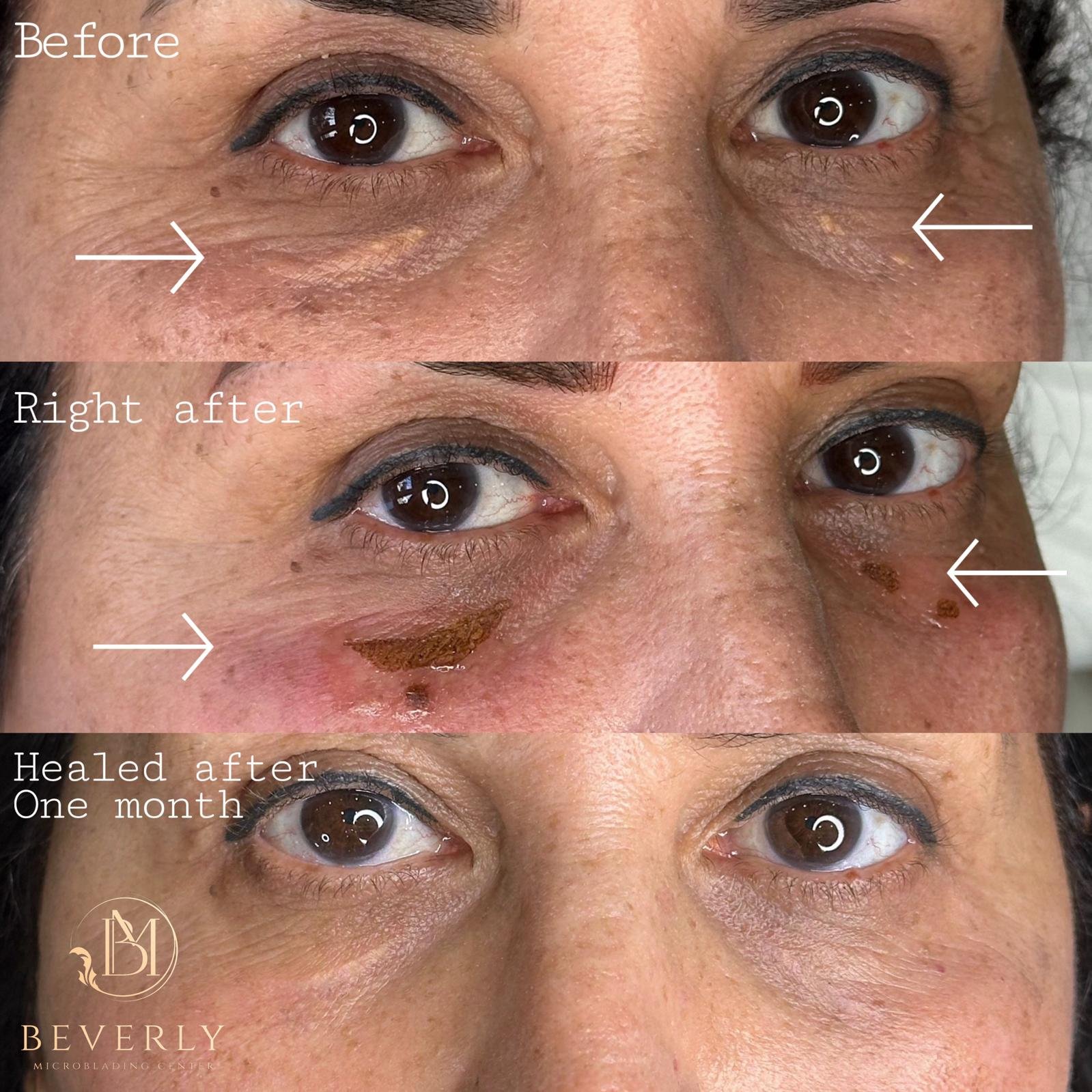
Mole Removal Healing Process
Healing varies according to the removal technique, wound depth, location, stitches, skin type, health, and aftercare.
First 24–72 Hours
The area may feel tender and appear pink, red, mildly swollen, or bruised. A small amount of spotting on the dressing can occur.
Keep the bandage and wound cared for according to your clinician’s instructions.
Days 3–10
Many small wounds begin closing during this stage. Mild itching can occur as the skin heals.
AAD guidance notes that many small biopsy wounds heal in approximately 7 to 10 days, although deeper wounds, stitched areas, and certain body locations may take longer.
Weeks 2–6
The surface may be closed while the scar remains pink, red, brown, firm, or slightly raised. Stitches are removed according to the treatment location and clinician’s plan.
Do not judge the final appearance during early healing.
Following Months
Scars normally change gradually. Redness or discoloration may fade, and the scar may soften and flatten over time.
No procedure can guarantee an invisible result, but sun protection and proper wound care can help the final mark become less noticeable.
Mole Removal Aftercare
Follow your clinician’s procedure-specific instructions.
General wound care may include:
- Wash your hands before touching the area
- Remove the dressing gently
- Clean with mild soap and water as instructed
- Never scrub the wound
- Pat the surrounding skin dry
- Apply approved petroleum jelly
- Cover with a clean bandage or sterile non-stick dressing
- Change the dressing as instructed
- Avoid picking or scratching
- Do not use acids or mole-removal chemicals
- Avoid makeup directly over an open facial wound
- Avoid swimming and hot tubs until approved
- Avoid stretching or repeatedly rubbing the area
- Attend suture-removal and pathology appointments
AAD guidance recommends keeping many small dermatologic wounds clean, moist with petroleum jelly, and covered during healing. Routine topical antibiotic ointment is generally unnecessary unless the treating clinician specifically prescribes it.
Mole Removal Touch-Ups
Follow-Up After Mole Removal
Mole removal usually does not require a traditional cosmetic touch-up. Follow-up focuses on wound healing, pathology results, scar development, and recurrence.
Pathology and Suture Review
If tissue was sent to a laboratory, the clinician will explain the results and whether further care is needed. Stitches may also be removed during a scheduled visit.
Healing and Scar Care
The clinician may check redness, swelling, infection, pigmentation, wound closure, and scar appearance. After the area has fully healed, sun protection, silicone products, massage, or another appropriate scar treatment may be recommended.
Recurrence or Additional Moles
A mole may return if cells remain beneath the skin. Do not treat regrowth at home, especially if it changes, bleeds, or itches. Each additional mole should be evaluated separately before removal.
Los Angeles' Trusted Permanent Makeup Experts
Why Choose Beverly Microblading Center?

Licensed & Certified Professionals

11+ Years of Experience in Microblading

30+ Years of Experience in PMU

Customized Brow Mapping

Premium Quality Pigments

Single-Use Sterile Needles

Complimentary Consultation

Thousands of Happy Clients

Luxury, Clean & Welcoming Studio
Testimonials
Trusted Feedback from Real Clients
— Client, Westwood
— Client, Beverly Hills
— Client, Century City
— Client, Brentwood
— Client, Santa Monica
Everything You Need to Know About Mole Removal
Frequently Asked Questions
Can You Remove a Mole?
How Do I Get a Mole Removed?
How Do I Get Several Moles Removed?
What Is the Best Mole Removal Method?
What Is the Best Mole Remover for Home Use?
Does Mole Removal on the Face Leave a Scar?
How Much Does Mole Removal Cost?
Is Laser Surgery for Moles the Best Option?
Is Mole Removal Surgery Painful?
Can a Mole Return After Removal?






Featured Post
Learn More From Our Mole Removal Blogs