What Is the Best Scar Treatment? A Complete Guide to Scar Types, Procedures and Results
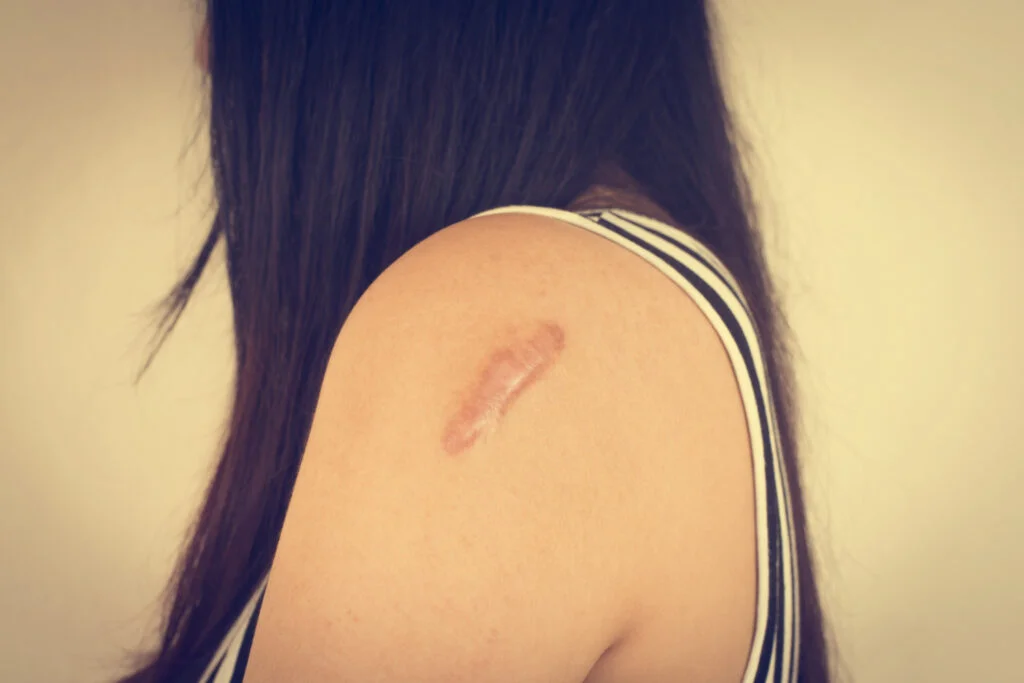
Scars are part of the body’s normal healing process, but they do not all develop in the same way. One scar may remain flat but noticeably darker than the surrounding skin. Another may become raised and firm. Acne can leave several types of depressed scars across the same face, while an operation may leave a wide, red, or uncomfortable surgical scar.
Because the underlying problems are different, there is no single best scar treatment for everyone.
An effective scar treatment starts with identifying the scar type and deciding what actually needs improvement. Is the concern depth, raised tissue, redness, pigmentation, width, texture, itching, discomfort, or restricted movement? The answer can determine whether treatment involves skincare, microneedling, laser therapy, medical injections, minor procedures, or surgical scar treatment.
The American Academy of Dermatology notes that scar treatment should be individualized because acne scars, raised scars, keloids, and other scars respond to different approaches. Combination treatment is also common, particularly when several scar types exist together.
For people researching scar treatments in Los Angeles, our Westwood location is conveniently positioned for Beverly Hills, Brentwood, Santa Monica, Century City, Bel Air, Culver City, and nearby neighborhoods. This guide explains the major treatment choices, realistic results, recovery, and how to identify the most appropriate approach for your scar.
Why Scar Treatment Starts With Identifying the Scar
The word “scar” describes many different healing patterns.
A depressed acne scar and a keloid may look completely different because they developed through different healing processes. Trying to treat both with the same procedure can produce disappointing results.
A scar assessment may consider its age, location, color, depth, thickness, symptoms, previous treatments, your skin characteristics, medical history, and tendency toward abnormal scarring. Dermatologists use these distinctions to choose treatments that match the specific scar pattern.
This is why choosing the best treatment for scars should come after diagnosis rather than starting with a popular procedure.
Types of Scars and How Treatment Differs
Common scar concerns include depressed acne scars, raised hypertrophic scars, keloids, surgical scars, scars with persistent redness or pigmentation, and contracture scars that can affect movement. Each category may require a different strategy.
For example, depressed acne scars often require treatment designed to improve uneven depth or surrounding skin texture. Raised scars may instead require approaches intended to reduce excess scar tissue. A mature surgical scar that is mainly too wide may eventually be considered for scar revision, while a scar that is red but relatively flat may require an entirely different approach.
That distinction is more useful than simply asking for “scar removal.”
Can Scars Really Be Completely Removed?
The term scar removal is widely used online, but it can create unrealistic expectations.
Once scar tissue has formed, treatment generally aims to make it less noticeable, softer, flatter, smoother, more comfortable, or better blended with surrounding skin. Even scar removal surgery does not literally erase the history of the wound; surgery creates another incision and attempts to produce a more favorable final scar.
The American Society of Plastic Surgeons describes scar revision as treatment intended to minimize a scar and help it blend more naturally with surrounding skin rather than eliminate it completely.
For SEO purposes, scar removal treatment and best scar removal are useful search terms, but your website should set an accurate expectation: improvement is realistic; guaranteed scar-free skin is not.
Treatment for Depressed Acne Scars
Acne scars are among the most common reasons people seek facial scar treatment.
Depressed scars can vary in shape and depth. Because one face may contain several different scar patterns, dermatologists frequently combine procedures rather than relying on a single technique.
AAD identifies options for depressed acne scars that can include chemical peels, laser resurfacing, microneedling, fillers, topical medication for mild scarring, and minor acne-scar procedures. Treatment selection depends on the individual scars and skin.
This means the best treatment for scars after acne may be a sequence rather than one procedure.
A person with predominantly shallow texture may receive a very different plan from someone with a smaller number of deep, tethered scars.
Microneedling for Acne and Other Scars
Microneedling uses multiple small needles to create controlled punctures in the skin. FDA has authorized specific microneedling medical devices for improving the appearance of facial acne scars and abdominal scars in adults aged 22 and older. More than one treatment may be necessary to achieve the desired cosmetic improvement.
Microneedling may be considered as a skin scar treatment when the scar type and patient are appropriate, but it is not suitable for every scar or every person.
Temporary effects can include redness, tightness, dryness, itching, peeling, discomfort, bruising, bleeding, or crusting. Less common risks include infection and changes in pigmentation.
FDA also advises choosing a healthcare professional specifically trained in microneedling when a medical microneedling device is being used.
What About RF Microneedling for Scars?
Radiofrequency microneedling differs from standard mechanical microneedling because needles or electrodes also deliver heat into or beneath the skin.
This deserves additional caution. In October 2025, FDA issued a safety communication after receiving reports of serious complications associated with certain aesthetic uses of RF microneedling, including burns, scarring, fat loss, nerve damage, disfigurement, and cases requiring medical or surgical intervention.
That does not mean every RF procedure produces these complications, but it does mean RF microneedling should not be marketed as a harmless facial treatment.
If it forms part of a facial scar treatment plan, medical qualification, device choice, treatment depth, anatomical knowledge, and informed consent are important.
Laser Treatment for Scars
Lasers can be used for several different scar characteristics, depending on the device and scar.
AAD notes that laser and light-based approaches may be used to reduce the appearance of selected raised scars and keloids, decrease redness, treat some depressed acne scars, and in some cases improve symptoms such as itching, discomfort, stiffness, or restricted movement.
Different lasers perform different functions.
A laser intended to target redness is not necessarily the same type of technology used for resurfacing scar texture. This is another reason the best scar treatment should be based on diagnosis rather than the general phrase “laser scar removal.”
In California, laser treatment is medical. The Medical Board of California states that lasers must be used by physicians or by appropriately supervised registered nurses or physician assistants; estheticians and cosmetologists cannot legally perform medical laser procedures.
Chemical Peels for Facial Scars
Chemical peels may form part of a treatment plan for selected depressed acne scars.
AAD explains that chemical peeling can stimulate skin remodeling and may reduce the visibility of certain depressed acne scars. Peel strength and the number of sessions vary according to the individual treatment plan.
A superficial peel and a deeper medical peel are not equivalent procedures.
California’s Medical Board specifically distinguishes superficial cosmetic procedures from medical-level skin treatments. Procedures intended to treat scarring at deeper levels are considered medical treatments and must remain within the appropriate medical scope.
Treatment for Raised Hypertrophic Scars
Raised hypertrophic scars contain excess scar tissue but remain within the original wound area.
Because these scars are already producing excessive tissue, treatments designed simply to stimulate more collagen are not automatically appropriate.
AAD notes that medical treatment for raised scars can include injected corticosteroids or other medications, laser treatment, and other scar-specific approaches.
A consultation should determine whether the concern is height, redness, hardness, itching, discomfort, or several of these factors together.
Treatment for Keloid Scars
Keloids behave differently from ordinary scars because they can grow beyond the original injury.
They can also recur after treatment.
For this reason, a keloid should not be treated as a simple cosmetic texture problem. AAD notes that treatment may combine approaches such as corticosteroid or other medication injections, cryotherapy, laser treatment, pressure therapy, and surgery in selected cases. Combining methods is often considered because keloids can be difficult to manage and may return.
Someone with a history of keloids should disclose this before undergoing procedures that intentionally injure the skin, including certain forms of microneedling. FDA specifically includes keloid history among factors that can make microneedling unsuitable.
Surgical Scar Treatment
Not every scar needs surgery.
However, surgical scar treatment may be considered when a scar is unusually wide, poorly positioned, contracted, structurally irregular, or otherwise unlikely to improve enough with nonsurgical treatment.
Scar revision can involve several surgical techniques depending on the scar’s size, location, direction, and severity. ASPS notes that scar revision may also be combined with topical therapies or other techniques rather than functioning as an isolated procedure.
The important point is that scar removal surgery replaces or alters existing scar tissue—it does not produce scarless skin.
A plastic surgeon can determine whether the likely improvement justifies another surgical procedure and another healing period.
Scar Treatment After Surgery
A surgical scar continues changing after the initial wound closes.
Some scars gradually become flatter and less noticeable with time, while others become raised, widened, red, itchy, or uncomfortable.
Depending on the wound and scar, early care may include silicone-based products or other measures recommended by the treating healthcare professional. AAD discusses silicone gels and sheets as options for certain scars, particularly raised scars, where they may help reduce features such as hardness, redness, swelling, itching, or stiffness.
If your scar comes from recent surgery, follow your surgeon’s wound-care instructions rather than starting aesthetic procedures independently.
Facial Scar Treatment vs Body Scar Treatment
Location matters.
The face has different cosmetic priorities from the abdomen, chest, shoulders, or joints. A facial scar may require particular attention to skin tone, surrounding texture, acne activity, facial anatomy, and pigmentation.
A scar over a joint may have greater functional importance because tight scar tissue can interfere with movement.
This means facial scar treatment often focuses heavily on texture and blending, while treatment on another body site may prioritize thickness, discomfort, or mobility.
Why Active Acne Should Be Controlled Before Acne-Scar Treatment
Treating old acne scars while significant new acne is still developing can create an ongoing cycle.
New inflammatory lesions may produce additional scars even while existing scars are being treated.
AAD’s acne-scar guidance emphasizes individualized treatment and continued acne management so new scarring is minimized while older scars are addressed.
For someone seeking a facial scar treatment in Westwood or nearby Beverly Hills, controlling active breakouts can therefore be an important part of the overall scar strategy rather than something separate from it.
What Does the Scar Treatment Process Look Like?
A professional consultation typically begins by assessing how the scar formed, how long it has been present, whether it is still changing, and what bothers you most.
The scar is then classified according to characteristics such as depression, elevation, color, texture, width, symptoms, and location. Relevant medical history and previous treatments are also considered.
From there, an appropriate plan may involve one procedure, a sequence of treatments, or referral to a dermatologist or plastic surgeon.
The most important part is that the treatment follows the diagnosis.
A procedure should not be chosen simply because it is currently popular on social media.
How Many Scar Treatment Sessions Will I Need?
There is no universal number.
Some scars can improve after a single surgical procedure but then require months of healing. Other treatment approaches may require multiple appointments.
FDA notes that microneedling may require more than one procedure and that maintenance treatment can sometimes be needed.
AAD similarly notes that acne-scar treatment may combine several modalities and that certain procedures require multiple sessions.
When comparing scar treatments, avoid choosing solely according to an advertised package of a fixed number of appointments.
The plan should respond to how your scar actually changes.
Scar Treatment Healing and Recovery
Recovery depends almost entirely on the procedure.
A topical scar-care program may involve little or no downtime. Medical microneedling commonly causes temporary redness, tightness, dryness, peeling, tenderness, or other short-term effects. More intensive resurfacing procedures can involve longer recovery, while scar removal surgery creates a new surgical wound that must heal and mature.
A responsible provider should explain expected recovery before treatment.
That includes how long visible redness or swelling may last, when skincare can be resumed, what activities should temporarily be avoided, and which warning signs require medical attention.
Scar Treatment Aftercare
Aftercare should be specific to the procedure rather than generic.
For medical microneedling, FDA notes that skin can temporarily become more sensitive to sunlight and to skincare products, including ingredients such as retinol, glycolic acid, alcohol, or other potentially irritating products.
After other procedures, your instructions may involve wound care, sun protection, temporary restrictions, or prescribed products.
Do not pick healing skin or improvise with strong acids, scrubs, or unapproved scar products during recovery.
Contact the treating healthcare professional if pain, redness, swelling, drainage, fever, or another symptom becomes progressively worse rather than following the expected healing course.
Who May Need to Postpone Scar Treatment?
Eligibility depends on the exact procedure.
For medical microneedling specifically, FDA lists several circumstances that may make treatment unsuitable or require additional assessment, including active infection, bleeding disorders or anticoagulant treatment, immune suppression, uncontrolled diabetes, active inflammatory skin conditions, keloid history, recent isotretinoin use, certain lesions in the treatment area, pregnancy or breastfeeding, and other medical factors.
Laser, chemical peel, injectable, and surgical procedures have their own contraindications.
That is why a meaningful consultation should include medical history rather than only examining a photograph of the scar.
Never discontinue prescribed medication for a cosmetic procedure unless the prescribing healthcare professional specifically advises it.
How to Choose Scar Treatments in Los Angeles
When comparing scar treatments in Los Angeles, focus on whether the provider can explain why a specific procedure fits your scar.
Useful questions include:
- What type of scar do I have?
- What feature are we trying to improve?
- Why is this procedure appropriate?
- What improvement is realistic?
- How many treatments may be needed?
- What recovery should I expect?
- Could another approach work better?
- Is this treatment medical or cosmetic?
- Who will perform it?
- What professional qualifications do they hold?
- What happens if I develop a complication?
In California, treatments that penetrate deeper tissue to medically address scarring, medical lasers, injections, and other medical procedures must be delivered within the appropriate professional scope.
Our Westwood location is conveniently positioned for clients coming from Beverly Hills, Brentwood, Century City, Santa Monica, Bel Air, Culver City, and nearby Los Angeles communities who want personalized scar evaluation rather than a one-procedure-fits-all approach.
Common Scar Concerns and Practical Solutions
“My Acne Scars Are Different Shapes.”
That is common.
Solution: Consider an individualized acne-scar assessment. Different depressed scars may respond to different procedures, and combination treatment is frequently used.
“My Scar Is Raised and Itchy.”
A raised scar may be hypertrophic or keloidal rather than a simple texture concern.
Solution: Have it medically assessed before undergoing resurfacing or microneedling. Raised scars may require injections, laser treatment, pressure therapy, or other scar-specific management.
“I Want My Surgical Scar Completely Removed.”
No procedure can responsibly guarantee that.
Solution: Discuss whether the scar can be made narrower, flatter, better positioned, less noticeable, or otherwise improved. Scar revision aims to minimize rather than erase a scar.
“Microneedling Worked for My Friend’s Scar.”
Your scar may not be the same type.
Solution: Determine whether your specific scar and medical history make microneedling appropriate before booking treatment.
“I Have Several Acne Scars and Want One Treatment for Everything.”
One treatment may not address every scar equally.
Solution: A combination facial scar treatment plan may provide a more logical approach when several scar types are present.
Frequently Asked Questions
What Is the Best Scar Treatment?
The best scar treatment depends on the scar. Depressed acne scars, hypertrophic scars, keloids, surgical scars, and discolored scars may require different approaches. A professional assessment should determine the scar type before a procedure is selected.
What Is the Best Treatment for Scars on the Face?
The best treatment for scars on the face depends on scar depth, type, skin characteristics, active acne, pigmentation, and treatment goals. Options for suitable acne scars can include microneedling, lasers, chemical peels, fillers, or minor procedures, sometimes in combination.
Does Microneedling Work for Facial Scars?
FDA has authorized specific microneedling devices to improve the appearance of facial acne scars in adults aged 22 and older. It is not appropriate for everyone, and more than one procedure may be required.
Can Scar Removal Completely Erase a Scar?
No. Scar removal treatment generally aims to make a scar less noticeable or improve texture, symptoms, or function. Even surgical scar revision cannot guarantee scar-free skin.
What Is Surgical Scar Treatment?
Surgical scar treatment involves revising an existing scar so the new scar may heal in a more favorable way. The technique depends on the scar’s type, size, location, and severity.
When Is Scar Removal Surgery Necessary?
Scar removal surgery may be considered when the scar has structural problems such as unfavorable width, orientation, contracture, or other characteristics that nonsurgical treatments are unlikely to correct sufficiently. A plastic surgeon should determine suitability.
Can Laser Treatment Remove Scars?
Lasers do not literally erase scar tissue, but selected laser and light treatments can improve characteristics such as redness, raised scars, some depressed acne scars, and certain scar-related symptoms.
How Many Scar Treatment Sessions Will I Need?
It depends on the treatment and scar. Some procedures require multiple sessions, while surgery may be performed once followed by a longer healing period. Acne-scar treatment frequently combines several approaches.
What Is the Best Scar Removal Option for an Old Scar?
The best scar removal approach depends more on the old scar’s current characteristics than its age alone. A mature scar may still be evaluated for texture treatment, color-focused treatment, medical management, or surgical revision depending on its type.
Where Can I Find Scar Treatments in Los Angeles?
When considering scar treatments in Los Angeles, begin with an assessment that identifies the scar type and determines whether cosmetic treatment, medical dermatologic care, or surgical revision is appropriate. Westwood is conveniently located for Beverly Hills, Brentwood, Santa Monica, Century City, Bel Air, Culver City, and nearby neighborhoods.
Find the Right Treatment for Your Scar
The most effective scar treatment is not automatically the newest device or most aggressive procedure. It is the approach that matches the scar’s type, depth, color, texture, symptoms, location, and your realistic treatment goals.
Book your Westwood consultation to discuss your scar, skin scar treatment options, facial or surgical scar concerns, expected results, recovery, and whether nonsurgical treatment or surgical scar treatment is the more appropriate path.
Book Your Free Consultation
Get expert advice and a personalized treatment plan—no commitment required