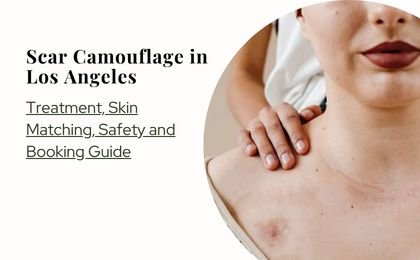
Scar Camouflage in Los Angeles
Micropigmentation Scar Camouflage for Healed Scars and More Even-Looking Skin Tone
Experience the artistry of Nano Brows in Los Angeles with beautifully crafted hair-like strokes that mimic real eyebrow hairs | Beverly Microblading Center for precision, artistry, and exceptional care.
Scar Camouflage
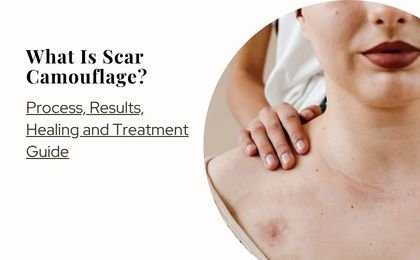
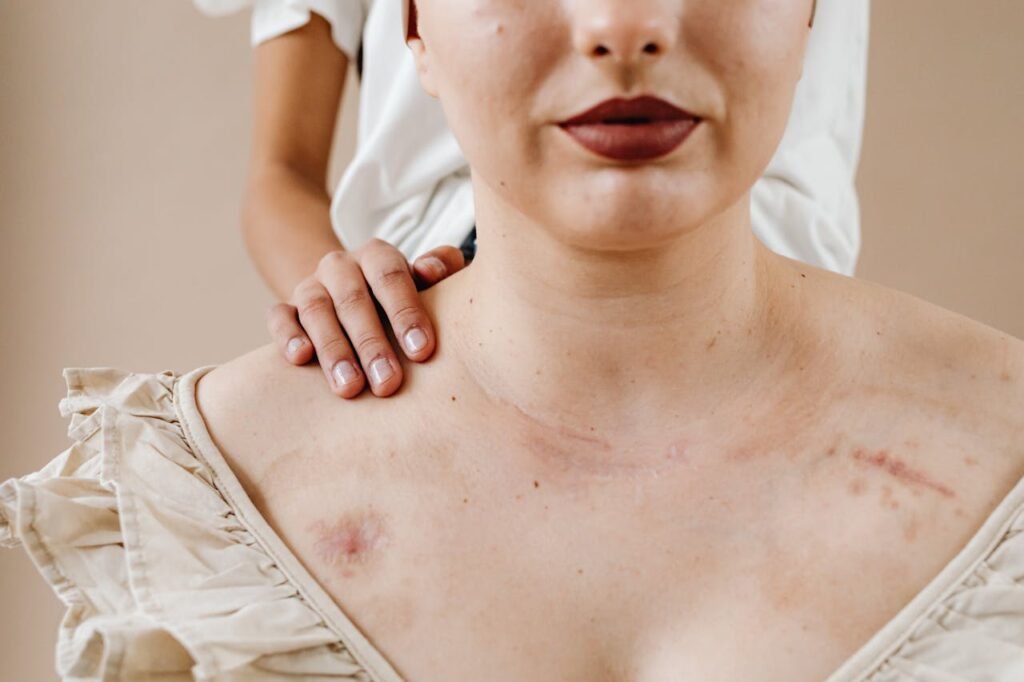
Scar camouflage is a specialized cosmetic tattoo technique designed to make certain healed scars less noticeable by introducing carefully selected pigment into areas that differ in color from the surrounding skin. Instead of covering the scar with a decorative design, micropigmentation scar camouflage aims to create a more harmonious visual transition between the scar and nearby natural skin. Medical tattooing is also used in healthcare settings to camouflage selected scars and restore the appearance of natural pigmentation.
A professional cosmetic tattoo for scars begins with much more than choosing a beige pigment. Skin undertone, scar color, surrounding skin, scar maturity, location, previous procedures, sun exposure, and how scar tissue accepts pigment all affect the treatment plan. The objective is improvement in color contrast—not claiming to erase the scar or change its physical texture.
Benefits of Scar Camouflage
Reduces Visible Color Contrast
Customized Pigment Matching
Designed for Subtle Results
Can Be Used on Selected Surgical Scars
May Help Selected Trauma Scars
Personalized to the Scar
The treatment plan considers the scar’s:
- Color
- Size
- Location
- Shape
- Texture
- Age and stability
- Surrounding skin
- Previous treatments
Long-Lasting Compared With Camouflage Makeup
Temporary cosmetics must be reapplied. A skin camouflage tattoo places pigment into the skin and can provide a much longer-lasting visual effect, although pigment can soften or change over time and touch-ups may be needed. Medical tattooing services also recognize that repeat sessions and future color refreshes may be necessary.
Convenient Local Follow-Up
Our Westwood location makes staged treatments and follow-up practical for clients coming from Beverly Hills, Brentwood, Santa Monica, Century City, Bel Air, and Culver City.
Who Is Scar Camouflage For?
Scar Camouflage May Be Appropriate for:
- Fully healed surgical scars
- Stable trauma scars
- Selected pale or hypopigmented scars
- Certain scars that contrast noticeably with surrounding skin
- Selected healed scars after cosmetic surgery
- Selected healed scars after reconstructive procedures
- Clients who understand that tattooing improves color contrast rather than texture
- People looking for a longer-lasting alternative to daily camouflage makeup
Scar tissue can respond differently from ordinary skin, so suitability must be assessed individually.
Scar Color Matters
Not every scar needs the same approach.
Pale or Light Scars
A scar lighter than surrounding skin may sometimes be suitable for customized pigment matching.
Pink or Red Scars
Persistent redness can be a sign that a scar is still actively changing or irritated. Tattooing should not automatically be used to cover a scar simply because it remains red.
Dark Scars
Hyperpigmented scars require careful assessment. Adding pigment is not necessarily the appropriate way to make a dark scar lighter.
Raised Scars
Raised, thick, or expanding scars need additional caution. Tattooing is not a treatment for scar thickness and can create further skin trauma.
✨ Process: How Scar Camouflage Works
Scar Assessment
The scar camouflage process begins by evaluating whether the scar is suitable for tattooing.
We consider:
- Whether it is fully healed
- Whether the scar is still changing
- Color differences
- Scar texture
- Raised or depressed areas
- Previous scar treatments
- Location
- Surrounding skin
- Skin sensitivity
- History of abnormal scarring
- Medical history relevant to healing
A scar that is open, inflamed, infected, painful, rapidly changing, or still undergoing significant healing should not simply be tattooed.
Skin-Tone and Undertone Evaluation
Skin is rarely one flat color.
The surrounding area may contain warm, cool, neutral, golden, olive, pink, or brown undertones. Natural variation also exists within the same region of skin.
A customized pigment mixture is selected with these variations in mind.
Pigment Planning
Rather than attempting an aggressive full correction immediately, micropigmentation scar camouflage may be built conservatively.
Scar tissue does not always retain pigment in the same way as unscarred skin. Medical tattooing resources note that multiple treatments may be necessary to achieve the desired color effect.
Tattoo Application
Specialized tattoo equipment places pigment into selected areas of suitable scar tissue.
The practitioner works gradually to improve color integration rather than creating an opaque block.
Initial Healing
Fresh pigment often looks stronger immediately after treatment.
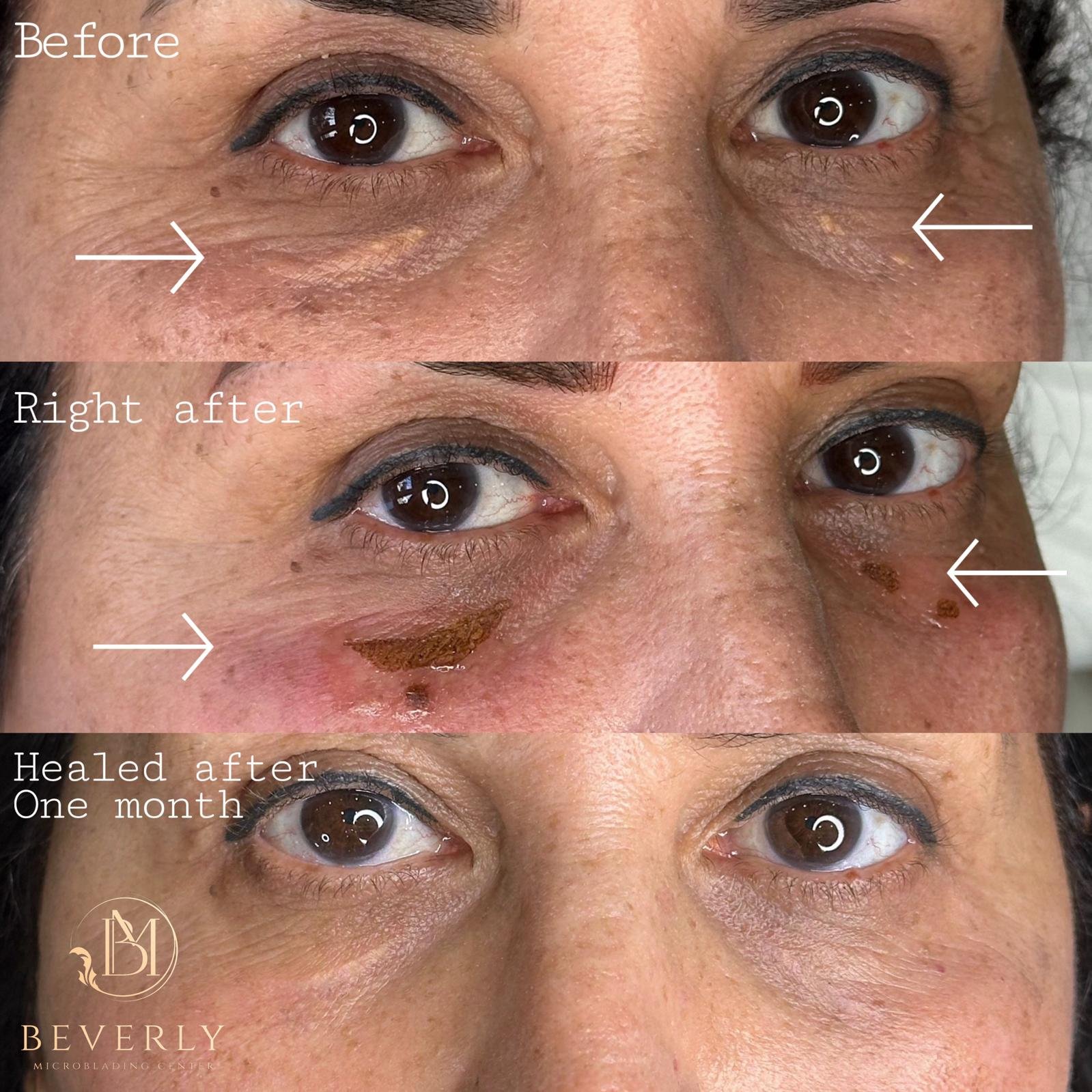
Temporary redness can also influence how the color appears. The healed result should therefore be judged later rather than immediately after the appointment. Medical tattooing guidance notes that freshly treated pigment may initially appear darker and then soften as healing progresses.
Healed Color Assessment
After the skin has completely healed and pigment has settled, the treated area can be reassessed.
The first session may reveal:
- Areas needing additional pigment
- Places where scar tissue retained less color
- Undertone differences that need refinement
- Regions that already blend adequately
Additional Camouflage Sessions
Further treatment can gradually improve the visual blend where appropriate.
This conservative process provides more control than attempting to create the final color in one heavy session.
Who Should Avoid Scar Camouflage?
Scar camouflage tattoos should generally be postponed or avoided when there is:
- An open or incompletely healed scar
- Active infection
- Broken skin
- Active dermatitis
- Active eczema
- Psoriasis flare in the area
- Severe inflammation
- Recent sunburn
- A changing or suspicious skin lesion
- Unexplained bleeding
- Recent surgery without appropriate healing
- Poor wound healing
- Significant uncontrolled medical conditions affecting healing
- A history of severe tattoo-pigment reaction
Scar Camouflage Healing Process
Immediately After Treatment
The area may appear:
- Red
- Slightly swollen
- Tender
- Darker than expected
- More noticeable temporarily
The color seen immediately after tattooing is not necessarily the final healed result.
First Several Days
Mild dryness or superficial flaking may occur as the area heals.
Do not:
- Scratch
- Pick
- Peel
- Rub the treatment aggressively
Medical tattoo aftercare guidance specifically warns against picking scabs because it can interfere with healing and pigment retention.
Following Weeks
Pigment generally becomes easier to evaluate after the surface has healed and the initial color intensity has softened.
Scar tissue may heal or retain pigment unevenly, which is why a later assessment is important.
Scar Camouflage Aftercare
Protect the Treated Area While It Heals
Follow your practitioner’s written instructions.
General aftercare may include:
- Wash your hands before touching the area
- Keep the tattoo clean according to instructions
- Avoid scratching
- Do not pick flakes or crusts
- Avoid friction over the fresh treatment
- Avoid swimming until adequately healed
- Avoid hot tubs and prolonged soaking
- Avoid sauna and heavy sweating during early healing
- Avoid unapproved skincare products
- Avoid aggressive exfoliation
- Protect the area from excessive sun after healing
Medical tattooing services advise avoiding swimming, hot tubs, intense sweating, and unnecessary sun exposure while the area heals.
Scar Camouflage Touch-Ups
Why Scar Camouflage May Need More Than One Session
Scar tissue can accept pigment less predictably than normal skin.
A first appointment establishes the initial camouflage. After complete healing, additional treatment may be useful where pigment has settled unevenly or a closer color blend is desired.
Medical tattooing programs similarly note that some people need several sessions before reaching an appropriate color effect.
Touch-Up Appointments
A future touch-up may be considered when:
- Pigment has softened
- Scar tissue retained color unevenly
- Additional blending is needed
- Skin tone changes make the previous match less precise
- The treatment has naturally faded
Los Angeles' Trusted Permanent Makeup Experts
Why Choose Beverly Microblading Center?

Licensed & Certified Professionals

11+ Years of Experience in Microblading

30+ Years of Experience in PMU

Customized Brow Mapping

Premium Quality Pigments

Single-Use Sterile Needles

Complimentary Consultation

Thousands of Happy Clients

Luxury, Clean & Welcoming Studio
Testimonials
Trusted Feedback from Real Clients
— Client, Westwood
— Client, Beverly Hills
— Client, Century City
— Client, Brentwood
— Client, Santa Monica
Everything You Need to Know About Scar Camouflage
Frequently Asked Questions
What Is Camouflage Tattoo Treatment?
How Does Scar Camouflage Work?
Can Scar Camouflage Completely Hide a Scar?
What Scars Can Be Treated With a Cosmetic Tattoo for Scars?
Selected fully healed and stable surgical or traumatic scars may be candidates. Raised, actively changing, infected, incompletely healed, or keloid-prone scars need additional caution and may require medical evaluation before tattooing.
Is Scar Camouflage Tattooing Permanent?
How Many Scar Camouflage Sessions Will I Need?
Does Tattoo Scar Camouflage Fix Raised or Indented Scars?
What Is the Difference Between Skin Camouflage for Scars and Tattoo Camouflage?
Where Can I Book Scar Camouflage in Los Angeles?
Featured Post
Make Your Scar Less Noticeable With Personalized Camouflage