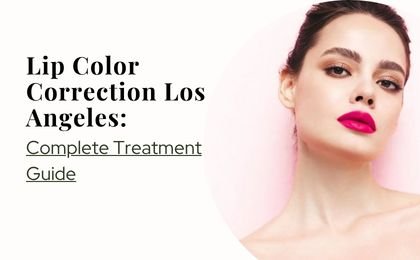
Uneven lip color can affect the overall balance of the face, especially when one lip appears darker than the other, the border has faded, or previous cosmetic tattoo pigment has healed into an unwanted shade.
Some clients rely on lip liner, concealer, stain or lipstick every day to disguise these concerns. Others have old lip blush that has faded unevenly, become too cool or no longer complements their skin tone.
Professional lip color correction offers a personalized cosmetic tattoo solution for improving visible tone, definition and color consistency. Instead of simply covering an unwanted shade with more pigment, the artist first studies the existing color, identifies the undertones and creates a gradual correction plan.
At Beverly Microblading Center, each lip correction in Los Angeles treatment is designed around the client’s natural lip tone, previous pigment, border, skin undertone and desired healed result. Our Westwood location is convenient for clients seeking lip correction in Beverly Hills, Brentwood, Santa Monica, Century City, Bel Air, Culver City and surrounding neighborhoods.
This guide explains what lip color correction is, which concerns it may improve, how the process works and how it differs from lip filler correction and lip tie correction.
What Is Lip Color Correction?
Lip color correction is a specialized permanent makeup technique used to improve the appearance of uneven natural pigmentation or unwanted cosmetic tattoo color.
Corrective treatment may involve:
- Neutralizing cool or dark undertones
- Warming pigment that appears gray or purple
- Softening overly orange or red pigment
- Reinforcing areas that faded unevenly
- Improving the visible border
- Preparing the lips for a new target shade
- Balancing the upper and lower lips
The treatment is not always completed in one appointment. Existing pigment may be layered, saturated or positioned in a way that requires gradual correction.
A professional artist should evaluate the healed color before deciding which pigment to apply next.
What Problems Can Lip Color Correction Address?
Uneven Natural Lip Tone
Some clients naturally have a darker upper lip, a lighter lower lip or deeper pigmentation around the border.
Customized pigment can help create a more balanced visible tone while respecting the natural lip structure.
Cool, Gray or Purple Undertones
Cool pigmentation may cause the lips to look dull, ashy or uneven without makeup.
Warm corrective pigments may be used to soften these undertones before a desired cosmetic shade is introduced.
Pale or Faded Lips
Lip color can become less visible over time. A correction or enhancement treatment may restore a soft, natural-looking tint.
Patchy Lip Blush
Previous cosmetic tattooing may fade unevenly, leaving areas that appear lighter, darker or more saturated.
Correction can reinforce lighter areas or adjust the overall tone after the existing pigment has been properly assessed.
Unwanted Previous Pigment
Old lip tattoo pigment may heal too purple, brown, orange, red or cool for the client’s preferences.
The artist may use color theory to adjust the visible tone gradually. Very saturated or poorly positioned pigment may need fading or removal before correction can begin.
Poorly Defined Lip Border
Some clients lose visible definition around the natural border.
Careful pigment placement may create a cleaner-looking outline and make the lips appear more balanced.
Can Permanent Makeup Correct Lip Shape?
Many clients want to know whether cosmetic tattooing can correct lip shape.
Lip color correction can visually improve minor asymmetry by balancing pigment around the natural border. For example, one side may look less defined because the color has faded, or one section of the upper lip may appear lighter.
Improved color placement can make the lips look more symmetrical and polished.
However, permanent makeup cannot physically change the structure of the lips. It cannot:
- Add true volume
- Move lip tissue
- Correct significant anatomical asymmetry
- Replace filler or surgery
- Safely create a dramatically enlarged border
The pigment should remain within the appropriate lip tissue. Tattooing significantly outside the natural border may heal differently and create an obvious outline.
The safest goal is visual refinement rather than structural reshaping.
Lip Color Correction vs Standard Lip Blush
Lip color correction and standard lip blush may use similar equipment, but they begin with different objectives.
Standard Lip Blush
Standard lip blush is generally performed on lips with a suitable natural base. The artist selects a preferred cosmetic color, such as pink, rose, peach, coral, berry or nude.
The main goal is enhancement.
Lip Color Correction
Lip correction begins with an unwanted or uneven base.
The artist may need to:
- Neutralize cool tones
- Adjust previous pigment
- Balance uneven saturation
- Work around scar tissue
- Correct an unsuitable border
- Prepare the lips for a later target shade
The first corrective pigment may not look like the final color the client wants. It may be warmer or brighter because it must interact with the existing undertone.
Lip Color Correction vs Lip Neutralization
Lip neutralization is one type of lip color correction.
Neutralization is commonly used for natural lips with cool, dark, gray, blue, purple or brown undertones.
Lip color correction is a broader category that may also include:
- Correction of old lip blush
- Adjustment of overly warm pigment
- Reinforcement of faded sections
- Border refinement
- Correction of uneven healed color
- Preparation for a different pigment family
Every neutralization treatment is a form of correction, but not every correction requires traditional dark-lip neutralization.
Lip Color Correction vs Lip Filler Correction
The phrase lip filler correction refers to concerns involving injectable dermal filler rather than cosmetic pigment.
Lip filler correction may involve:
- Unwanted filler volume
- Filler migration
- Lumps or irregularity
- Asymmetry caused by filler placement
- Dissolving suitable filler with a medical provider
- Managing a filler-related complication
Permanent makeup cannot dissolve, reposition or remove lip filler. It also cannot safely treat urgent filler complications.
Clients concerned about filler should contact the original injector or another appropriately licensed medical professional.
Once the filler has settled and the lips have been medically cleared, permanent makeup may sometimes be considered for color or border enhancement. The cosmetic tattoo artist should confirm an appropriate waiting period based on the client’s circumstances.
Lip Color Correction vs Lip Tie Correction
Lip tie correction is completely different from lip color correction.
A lip tie involves a restrictive band of tissue connecting the lip to the gum. Assessment and treatment may involve a qualified dental, oral-surgery, pediatric or medical provider.
Permanent makeup cannot release, diagnose or treat a lip tie.
Clients searching for lip tie correction because of feeding, movement, speech, dental or oral concerns should seek a clinical assessment rather than cosmetic tattooing.
Lip color correction addresses visible pigment and definition only.
What Happens During a Lip Color Correction Consultation?
The consultation is one of the most important parts of the process.
Your artist should evaluate:
- Natural lip tone
- Existing cosmetic pigment
- Upper and lower lip differences
- Darker corners or borders
- Pigment saturation
- Scar tissue
- Lip texture
- Previous filler
- Desired final color
- Medical and cold-sore history
Clients with old cosmetic tattooing should disclose when it was performed, how many sessions they received and whether any removal or correction has already been attempted.
Clear, makeup-free photographs may be requested before the appointment so the artist can determine whether an in-person consultation is needed first.
How the Lip Color Correction Process Works
Existing Color Assessment
The artist studies the current pigment and identifies the dominant unwanted tones.
These may include:
- Gray
- Blue
- Purple
- Brown
- Orange
- Red
- Pink
- Mixed or uneven undertones
The upper lip, lower lip, border, corners and central areas may all heal differently.
Correction Strategy
A personalized plan is created based on the starting color.
The treatment may focus on:
- Warming cool pigment
- Muting excessive warmth
- Balancing patchy color
- Reinforcing faded areas
- Softening a harsh border
- Preparing the lips for a target color
Pigment Selection
Corrective pigment is chosen according to color theory and the expected healed interaction.
The artist may blend multiple pigments rather than applying one standard shade.
A client with purple undertones may require peach or orange warmth. An overly orange previous tattoo may require a different balancing strategy.
Lip Mapping
The natural border is carefully outlined and reviewed.
Minor visual asymmetry can be refined, but the artist should avoid creating an exaggerated shape outside the natural lip tissue.
Numbing Preparation
A topical numbing product is generally used to improve comfort.
Clients may experience pressure, vibration, tingling or a light scratching sensation.
Pigment Application
Corrective color is applied in controlled layers using professional permanent makeup equipment and sterile, single-use supplies.
The artist focuses on gradual color adjustment rather than over-saturating the lips in one session.
Final Review
Once the procedure is complete, the artist evaluates pigment distribution, border balance and color saturation.
Fresh pigment normally appears brighter and warmer than the final healed result.
Lip Color Correction Healing Process
The healing process takes several weeks, and the color changes noticeably during that time.
Appointment Day — Bright, Fresh Pigment
Immediately after treatment, the lips may appear brighter, darker or warmer than expected.
Mild swelling, tenderness and tightness may occur. The border may look more defined because the lips are freshly treated.
Days 2–4 — Dryness and Light Flaking
The lips may begin to feel dry. Small flakes can develop as the surface heals.
Different areas may shed at different times, temporarily making the pigment look uneven.
Do not pick, peel, bite or scrub the lips.
Days 4–10 — Temporary Color Softening
After peeling, the pigment may look much lighter or appear to have disappeared.
This temporary fading is common because new skin can reduce the visibility of the pigment while healing continues.
Weeks 2–4 — Color Development
The pigment gradually becomes more visible and begins blending with the existing lip tone.
Unwanted undertones may look softer, but the color can continue changing during this stage.
Weeks 4–8 — Healed Evaluation
Once the lips are fully healed, the artist can determine how well the correction worked and whether another session is required.
A personalized consultation gives your lips the right correction strategy from the beginning and helps create a softer, more balanced healed result.
Lip Color Correction Aftercare
Correct aftercare supports comfortable healing and more consistent pigment retention.
During active healing:
- Keep the lips clean as instructed
- Wash your hands before touching them
- Apply only the approved aftercare product
- Use clean cups, towels, utensils and pillowcases
- Avoid picking or peeling flakes
- Take smaller bites when the lips feel tender
- Minimize unnecessary rubbing and stretching
Avoid until the lips have healed:
- Lipstick
- Lip gloss
- Lip liner
- Lip stain
- Lip scrubs
- Exfoliating masks
- Swimming pools and hot tubs
- Saunas and steam rooms
- Heavy sweating
- Prolonged sun exposure
- Kissing while the skin is actively healing
- Sharing lip products or utensils
- Strong retinoids or acids near the mouth
- Foods that cause significant burning or irritation
Contact your artist and seek appropriate medical evaluation if you develop severe or increasing pain, significant swelling, spreading redness, discharge, fever, extensive blistering or difficulty breathing.
How Many Sessions Does Lip Correction Require?
The number of sessions depends on the starting pigment and desired outcome.
Mild Unevenness
A client with minor fading or a small light area may need one correction appointment and one perfecting session.
Moderate Color Imbalance
Clients with visible undertone differences or patchy pigment may require two or more sessions.
Saturated Previous Pigment
Heavily saturated old pigment may require fading, removal or several corrective stages.
Target-Color Treatment
After the unwanted tone has been improved, a target pink, nude, rose, peach, coral or berry shade may be added.
Each session must heal fully before the next treatment decision is made.
Lip Color Correction Touch-Ups
Initial Touch-Up
The first touch-up is generally scheduled approximately six to eight weeks after the initial correction.
The artist evaluates:
- Pigment retention
- Remaining unwanted tones
- Border consistency
- Upper and lower lip balance
- Faded areas
- Whether the pigment formula needs adjustment
Additional Correction Sessions
Complex cases may require another full correction session rather than a small touch-up.
Each appointment should build carefully on the healed result.
Maintenance Touch-Ups
Once the desired color has been achieved, maintenance appointments can refresh fading pigment and preserve visible definition.
Longevity
Corrected pigment may remain visible for approximately two to three years, although results vary.
Sun exposure, skincare, smoking, lifestyle, existing pigment and individual healing can influence longevity.
How Much Does Lip Color Correction Cost?
The cost of lip correction in Los Angeles varies according to the complexity of the case.
Pricing may be influenced by:
- Existing pigment color
- Pigment saturation
- Number of sessions
- Natural pigmentation
- Scar tissue
- Border correction
- Artist experience
- Custom pigment blending
- Whether removal is needed
- Included touch-ups
A simple faded area and a heavily saturated old tattoo should not be expected to cost the same.
Clients seeking lip correction in Beverly Hills should compare providers based on healed results, corrective experience, sanitation and transparent pricing—not just location or the lowest advertised fee.
Is Cheap Lip Correction Worth It?
A low initial price can become expensive when the work requires additional correction.
Poorly planned treatment may create:
- Excessively warm color
- Muddy or gray pigment
- Uneven saturation
- A harsh border
- Pigment outside the natural lip tissue
- Patchy healing
- More difficult future correction
The highest price does not automatically guarantee the best result, but professional training and healed correction experience are essential.
Choosing a Lip Correction Artist
Before booking, review:
- Fully healed correction results
- Before-and-after cases
- Experience with old pigment
- Work on different natural lip tones
- Border placement
- Color consistency
- Sanitation practices
- Touch-up policies
- Honest explanations of limitations
A strong artist should be willing to say when pigment is not suitable for immediate correction.
Clients traveling from Century City may value the convenience of a nearby Westwood studio. Beverly Hills and Bel Air clients may prefer refined, understated color. Santa Monica, Brentwood and Culver City clients may prioritize a natural result that reduces daily makeup.
Common Problems and Possible Solutions
My Lip Blush Healed Too Purple
A warming correction may be possible after the lips have healed fully. The artist must assess pigment saturation before adding more color.
My Lip Tattoo Is Too Orange
A different balancing pigment may help, but the correction strategy depends on the existing depth and color.
My Lip Border Is Uneven
Pigment may visually improve minor fading or asymmetry. Structural differences cannot be fully corrected with tattooing.
My Old Lip Blush Is Too Dark
Highly saturated pigment may need time to fade or require professional removal before a new color is added.
One Area Lost More Pigment
Lighter areas may be reinforced at the touch-up after complete healing.
My Lip Filler Looks Uneven
This is a medical-injectable concern, not a color-correction issue. Consult a qualified injector before considering permanent makeup.
Frequently Asked Questions
What is lip color correction?
Lip color correction is a cosmetic tattoo treatment used to improve uneven natural pigmentation, unwanted undertones, faded color or old permanent makeup.
Can lip color correction fix old lip blush?
Possibly. The artist must evaluate the existing color, saturation, placement and condition before recommending correction.
Can permanent makeup correct lip shape?
It can visually improve minor border or color asymmetry, but it cannot physically change the anatomical shape of the lips.
Is lip correction the same as lip filler correction?
No. Lip filler correction addresses injectable filler. Lip color correction addresses pigment and visible definition.
Does permanent makeup provide lip tie correction?
No. Lip tie correction is a clinical treatment that requires an appropriate healthcare or dental provider.
How many lip correction sessions will I need?
Some clients need one correction and a touch-up. Complex or saturated pigment may require several sessions.
How long does healing take?
Surface healing may improve within approximately one week, while the final color can require four to eight weeks to settle.
How long does lip color correction last?
Results may remain visible for approximately two to three years, depending on pigment, skincare, lifestyle, sun exposure and maintenance.
How much does lip correction cost in Los Angeles?
Pricing depends on the existing pigment, treatment complexity, number of sessions and whether touch-ups or removal are needed.
Can I wear lipstick after correction?
Yes. Lipstick, gloss, liner and stain can be applied after the lips are completely healed.
Give Unwanted Lip Color a More Beautiful Direction
Uneven natural tone or an old cosmetic tattoo does not have to control your everyday makeup routine. Personalized lip color correction can soften unwanted tones, improve visible definition and create a more balanced foundation for your preferred shade.
Beverly Microblading Center provides customized lip correction in Los Angeles from our Westwood studio. We welcome clients from Beverly Hills, Brentwood, Santa Monica, Century City, Bel Air, Culver City and nearby neighborhoods.
Book your complimentary consultation to assess your existing lip color and receive a correction plan designed specifically for your lips.
Book Your Free Consultation
Get expert advice and a personalized treatment plan—no commitment required