Facial threading can create a cleaner, smoother-looking appearance by removing visible hair from selected areas of the face. It is commonly used for the upper lip, chin, cheeks, forehead, jawline, and sideburns, where precise control is important.
The difference between professional facial threading before and after results is not always dramatic in the same way as a haircut or cosmetic tattoo. The improvement may be more refined: less visible hair under direct light, smoother-looking makeup application, cleaner sideburn transitions, and a neater appearance around the upper lip or chin.
The result depends on the color, thickness, density, and location of the hair. Dark upper-lip or chin hair may create a more noticeable transformation than very light cheek hair. Skin condition also matters because threading should be adjusted or postponed when the area is irritated, peeling, sunburned, or affected by active inflammation.
At Beverly Microblading Center, professional facial threading in Los Angeles is customized at our Westwood studio. Beverly Hills guests may schedule detailed facial grooming before events, while Century City professionals often choose focused upper-lip or chin maintenance. Visitors from Brentwood, Santa Monica, Bel Air, Culver City, and surrounding neighborhoods can select individual treatment areas or a more complete facial cleanup.
This guide explains realistic before-and-after results, treatment stages, recovery, aftercare, regrowth, and common concerns so you can prepare for your appointment with clear expectations.
What Is Facial Threading?
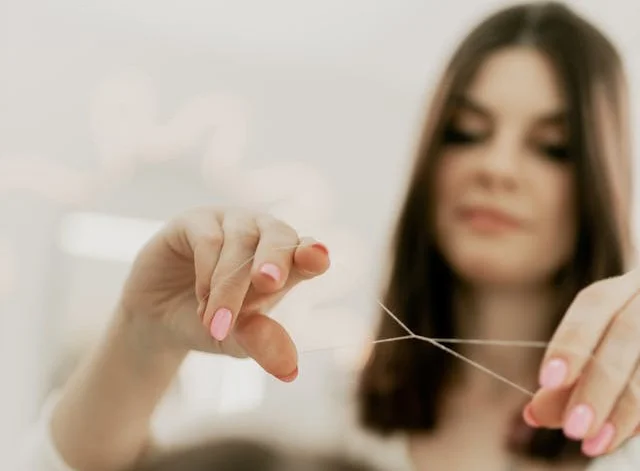
Facial threading is a temporary hair-removal method that uses twisted cotton thread to lift unwanted hairs from the follicle.
The technician creates a controlled twisting motion in the thread. As the twisted section moves across the skin, it captures selected hairs and removes them from the root.
Threading can target:
- Individual coarse hairs
- Fine facial hair
- Short rows of hair
- Hair near delicate facial borders
- Uneven regrowth
- Areas that require more control than broad-strip removal
Because threading removes hair from the follicle, results generally remain visible longer than shaving, which cuts the hair at the skin’s surface.
The service does not permanently reduce hair growth. New hair gradually becomes visible as the follicles continue through their natural growth cycles.
What Are Facial Threads?
The phrase “what are facial threads” may refer to two completely different treatments.
In facial hair removal, facial threads are cotton threads used externally to remove unwanted hair. Nothing is inserted beneath the skin, and the thread is discarded after the appointment.
In medical aesthetics, facial threads may refer to absorbable sutures used during a thread-lift procedure. Thread lifts are invasive medical treatments designed to reposition or support facial tissue.
The facial threading service described here is strictly a hair-removal treatment. It does not tighten the skin, lift facial features, inject products, or leave any thread inside the face.
When reviewing facial threads before and after photographs online, confirm whether the images show hair-removal threading or a medical thread lift.
What Does the Face Look Like Before Threading?
Before treatment, visible facial hair may appear differently depending on the area and lighting.
Common concerns include:
- Dark hair above the upper lip
- Fine hair across the cheeks
- Isolated coarse chin hairs
- Uneven sideburn growth
- Hair along the jawline
- Forehead hair near the hairline
- Makeup collecting around fine facial hair
- Shadowing around the mouth or chin
- Different hair density on each side
- Regrowth after waxing or tweezing
Some facial hair is more noticeable in direct sunlight, flash photography, or under foundation. Fine hair may not appear prominent from a distance but can affect how makeup sits on the skin.
A professional consultation should identify which areas need treatment and which natural hair boundaries should be preserved.
What Does the Face Look Like After Threading?
After threading, the treated areas may appear:
- Cleaner
- Smoother-looking
- Less shadowed
- More polished under makeup
- Better defined around the sideburns
- Neater along the upper lip
- More consistent across the cheeks
- Cleaner around the chin and jawline
The skin may also appear temporarily pink or slightly raised around the follicles. This is different from the final result and usually settles as the skin calms.
Threading removes hair but does not:
- Resurface the skin
- Shrink pores
- Treat acne
- Remove pigmentation
- Tighten facial tissue
- Erase scars
- Permanently stop hair growth
The visible improvement comes from hair removal rather than a change in the skin itself.
Facial Threading Before and After by Treatment Area
Upper Lip
Before
Upper-lip hair may create a visible shadow or become noticeable under makeup and direct light.
After
The area usually looks cleaner, and the lip border may appear more defined. Foundation and concealer may also apply more smoothly.
The upper lip can be sensitive, so temporary redness or mild stinging is common immediately after treatment.
Chin
Before
The chin may contain fine hair, isolated coarse hairs, or uneven regrowth caused by previous tweezing.
After
Visible hairs are reduced, creating a cleaner-looking chin surface.
Coarse chin hairs may return on a different schedule from fine surrounding hair because each follicle has its own growth cycle.
Cheeks
Before
Fine cheek hair may become visible in sunlight or cause complexion products to sit unevenly.
After
The cheeks may look smoother and more polished, particularly under makeup or photography lighting.
Threading does not exfoliate the skin in the same way as dermaplaning.
Forehead
Before
Fine forehead hair may create an uneven appearance near the hairline.
After
The forehead may look cleaner, but the hairline should remain soft and natural.
Removing too much hair near the scalp can create an artificial border, so careful treatment planning is essential.
Sideburns
Before
Sideburn hair may appear longer, wider, or uneven between both sides.
After
The sideburn area can look more refined and balanced.
The goal should be a gradual transition into the surrounding hair rather than an abrupt straight line.
Jawline
Before
Hair may be visible along the lower face or transition unevenly toward the neck.
After
The jawline can look cleaner and more defined.
The treatment area should be confirmed carefully so threaded and untreated sections blend naturally.
Why Facial Threading Results Differ
No two facial threading results are identical.
Hair Color
Dark hair usually creates a more noticeable before-and-after difference than blonde, gray, or very fine hair.
Hair Thickness
Coarse chin or upper-lip hair may be more visible before treatment, while fine cheek hair creates a subtler result.
Hair Density
Dense growth requires more time and careful skin monitoring. Light growth may need only a short maintenance appointment.
Skin Tone
Hair contrast may affect how visible the result appears. Dark hair against lighter skin often creates a clearer visual change.
Skin Condition
Healthy, calm skin usually tolerates treatment better than irritated, sunburned, or actively peeling skin.
Treatment Area
Upper-lip and chin results may be more noticeable than forehead or cheek results.
Previous Hair Removal
Shaving, waxing, tweezing, and threading can create different regrowth patterns. Hair may return at different times depending on the method previously used.
Hormonal Factors
Hormonal changes can affect facial hair density and speed of growth, particularly around the chin and jawline.
How to Prepare for Facial Threading
Proper preparation supports a more comfortable appointment and cleaner result.
Before your visit:
- Avoid sunburn and excessive sun exposure
- Do not scrub the treatment area aggressively
- Avoid scheduling immediately after a strong facial treatment
- Arrive without heavy makeup when possible
- Avoid picking at acne or ingrown hairs
- Disclose active skincare products
- Mention previous reactions to hair removal
- Allow enough hair growth for the thread to capture
- Do not apply heavy oils immediately before the appointment
- Explain exactly which areas you want treated
Do not stop prescribed skincare or medication without guidance from the healthcare professional who recommended it.
Instead, inform the technician so the skin can be assessed appropriately.
The Facial Threading Process
Consultation
The technician confirms your desired treatment areas and identifies any boundaries that should remain unchanged.
This is particularly important around:
- Sideburns
- Hairline
- Brows
- Temples
- Jawline
- Neck transition
Skin Assessment
The skin is checked for:
- Open cuts
- Active breakouts
- Sunburn
- Peeling
- Infection
- Rash
- Significant sensitivity
- Recent treatment irritation
Affected areas may be avoided or the appointment may be postponed.
Cleansing
Makeup, sunscreen, oil, and skincare residue are gently removed.
A clean surface allows the thread to grip hair more effectively.
Area Mapping
The technician studies the direction and density of the facial hair.
The sideburn and hairline borders may be lightly planned before hair removal begins.
Skin Positioning
The skin is held taut while threading is performed.
You may be asked to stretch the upper lip, cheek, chin, or forehead gently. This creates a firmer surface and helps the technician maintain control.
Threading
A fresh length of cotton thread is twisted and moved over the selected hairs.
The technician works in sections, monitoring both hair removal and skin response.
Refinement
Isolated hairs may be removed with sanitized tweezers when appropriate.
Repeated threading over the same irritated area should be avoided.
Soothing Care
Loose hairs are cleared away, and a gentle product may be applied when suitable for the skin.
Aftercare Review
The technician explains how to manage redness, when to apply makeup, which products to avoid, and when maintenance may be needed.
Does Facial Threading Hurt?
Facial threading may feel like repeated pulling, pinching, or brief stinging.
Sensitivity varies by area.
The upper lip is often more sensitive because the skin is thin and the hair may be coarse. The cheeks and forehead may feel more tolerable, especially when the hair is fine.
Discomfort may be influenced by:
- Hair thickness
- Treatment area
- Skin sensitivity
- Amount of growth
- Recent exfoliation
- Hormonal changes
- Personal pain tolerance
- Technician technique
The sensation usually ends when the threading stops.
Mild warmth or sensitivity may remain for several hours.
Facial Threading Recovery Timeline
Immediately After Treatment
The treated area appears cleaner and less hairy. Temporary redness, warmth, or raised follicles may be visible.
Avoid touching the skin unnecessarily.
First 2–6 Hours
Redness usually starts decreasing.
Keep makeup, heat, sweat, and strong skincare away from the treated area.
First 12–24 Hours
The skin should continue calming.
Use gentle skincare and avoid activities that expose the follicles to heat, friction, or heavy product buildup.
First 24–48 Hours
Most temporary sensitivity should settle.
Active products may be reintroduced gradually once the skin feels normal.
Following Weeks
Facial hair begins returning at different times because the follicles are not synchronized.
Maintenance can be scheduled according to visible regrowth and personal preference.
Facial Threading Aftercare
Proper aftercare protects freshly treated follicles and helps reduce unnecessary irritation.
During the First 12–24 Hours
Avoid:
- Touching or rubbing the face
- Heavy foundation and concealer
- Intense exercise
- Excessive sweating
- Swimming
- Saunas
- Steam rooms
- Very hot showers
- Facial scrubs
- Retinoids
- Exfoliating acids
- Strong acne products
- Fragranced skincare
- Alcohol-heavy toners
- Self-tanning products
- Picking at raised follicles
After the Initial Waiting Period
Cleanse gently using clean hands. Pat the skin dry instead of rubbing it with a towel.
Use skincare products that are already suitable for your skin. Reintroduce active ingredients gradually if no redness, burning, or sensitivity remains.
Keep makeup brushes, sponges, and pillowcases clean. Protect the skin from excessive sun exposure, particularly when the area feels sensitive.
How Long Do Facial Threads Last?
For hair-removal threading, results commonly last approximately two to five weeks.
The answer to how long do facial threads last depends on the facial area and individual growth cycle.
Upper-lip and chin hair may become noticeable sooner because these areas can contain thicker or faster-growing hairs. Fine forehead or cheek hair may remain less visible for longer.
Longevity depends on:
- Hair thickness
- Hair density
- Treatment area
- Natural growth rate
- Hormones
- Age
- Previous removal method
- Home tweezing
- Shaving between visits
- Preferred level of smoothness
The cotton thread does not remain in the face. It is discarded after the service.
Facial Threading vs Waxing
Both methods remove hair from the follicle, but they interact with the skin differently.
Facial Threading
Threading:
- Uses cotton thread
- Allows controlled treatment
- Does not require hot wax
- Works well near facial borders
- Removes narrow rows of hair
- Can be adjusted area by area
Facial Waxing
Waxing:
- Removes wider sections quickly
- Uses warm or room-temperature wax
- Pulls across the skin surface
- May be more efficient for broad areas
- Requires caution with retinoids
- May irritate compromised skin
Threading may be preferred for precision around the upper lip, sideburns, hairline, or jawline.
Waxing may be preferred when larger areas need to be treated quickly and the skin can tolerate wax.
Facial Threading vs Dermaplaning
Threading removes hair from the follicle.
Dermaplaning uses a specialized blade to remove surface-level facial hair and dead skin cells.
Threading may provide longer-lasting hair removal because it removes hairs from the root. Dermaplaning offers surface exfoliation but hair may become visible again sooner.
Threading is better suited to targeted areas. Dermaplaning is generally performed across broader facial sections.
The two services should not be scheduled too closely without professional guidance.
Facial Threading vs Shaving
Shaving cuts the hair at the skin’s surface.
It is quick and can be performed at home, but visible regrowth may return sooner.
Threading removes hair from the follicle, so the treated area may stay cleaner-looking for longer.
Shaving may suit people who prefer painless, frequent maintenance. Threading may suit those who want longer-lasting temporary removal and professional control around facial borders.
Facial Threading vs Tweezing
Tweezing works well for one or two isolated chin or jawline hairs.
Threading is more efficient when several fine hairs or a complete facial section need treatment.
Repeated tweezing can irritate the skin, especially when people dig for short hairs or repeatedly pull from the same follicle.
A combination of threading and limited professional tweezing may be used when appropriate.
Common Facial Threading Concerns and Solutions
The Skin Is Red
Temporary redness is common.
Avoid touching, makeup, heat, sweat, and strong skincare until the skin settles.
Small Bumps Appeared
Raised follicles may occur after hair removal.
Keep the area clean and avoid heavy creams or makeup. Do not squeeze, scratch, or pick at the bumps.
The Upper Lip Feels Sensitive
The upper lip is often more reactive than other areas.
Avoid hot drinks touching the skin, strong skincare, heavy makeup, and friction until sensitivity improves.
Some Hair Was Missed
Very short or slippery hairs may be difficult to capture.
Contact the studio if a visible section was missed. Avoid repeated threading or aggressive tweezing on freshly treated skin.
Hair Returned Quickly
Facial hairs grow at different rates.
Upper-lip or chin maintenance may be needed more frequently than cheek or forehead appointments.
The Sideburns Look Too Short
Do not remove additional hair at home.
Allow the border to grow and request a softer transition during the next appointment.
The Face Feels Dry or Tight
Dryness may relate to existing skin condition, recent exfoliation, or unsuitable aftercare products.
Use gentle skincare and avoid active ingredients until the skin feels comfortable.
Breakouts Appeared
Freshly treated follicles may react to touching, sweat, makeup, dirty brushes, or heavy skincare.
Keep the area clean and avoid picking. Persistent or painful breakouts should be assessed by a qualified professional.
Who Is a Good Candidate?
Facial threading may suit people who:
- Want temporary facial hair removal
- Prefer to avoid facial wax
- Have visible upper-lip hair
- Have fine cheek or forehead hair
- Need isolated chin hairs removed
- Want cleaner sideburns
- Prefer targeted treatment
- Want smoother-looking makeup application
- Need grooming before an event
- Can follow aftercare instructions
Westwood residents may book regular maintenance close to home, while Century City professionals often choose focused appointments around work schedules. Beverly Hills and Bel Air visitors may schedule multi-area cleanup before special occasions, and guests from Brentwood, Santa Monica, and Culver City may choose treatments based on their individual growth patterns.
Who Should Postpone Treatment?
Facial threading should generally be postponed over areas with:
- Open cuts
- Active infection
- Cold sores
- Sunburn
- Significant peeling
- Active eczema
- Dermatitis
- Inflamed psoriasis
- Painful cystic acne
- Broken acne lesions
- Unexplained swelling
- Recent facial surgery
- Fragile skin
- Recent laser treatment
- Recent chemical peeling
- Unhealed cosmetic tattooing
Inform the technician about retinoids, exfoliating acids, acne medication, professional peels, and resurfacing treatments.
Sudden or substantial facial hair growth may require medical evaluation, particularly when accompanied by menstrual changes, scalp hair loss, severe acne, or other new symptoms.
Frequently Asked Questions
What Is Facial Threading?
Facial threading is a temporary hair-removal technique that uses twisted cotton thread to capture unwanted facial hairs and remove them from the follicle.
What Are Facial Threads?
For hair removal, facial threads are cotton threads used externally on the skin. The term may also refer to medical thread lifts, which are completely different procedures.
What Do Facial Threading Before and After Results Show?
Results generally show less visible facial hair, cleaner sideburns, a smoother-looking upper-lip area, and a more polished appearance under makeup.
How Long Do Facial Threads Last?
Facial threading results usually last approximately two to five weeks. Upper-lip and chin hair may return sooner than fine cheek or forehead hair.
Does Facial Hair Grow Back Thicker After Threading?
Threading does not increase the number of follicles or permanently change fine hair into thicker hair.
Can I Wear Makeup After Facial Threading?
Wait approximately 12–24 hours, or until redness and sensitivity have settled, before applying heavy makeup over treated skin.
Is Facial Threading Better Than Waxing?
Threading offers greater control without hot wax or adhesive strips. Waxing may be faster for larger areas. The best choice depends on skin condition and treatment goals.
How Often Should Facial Threading Be Repeated?
Many people schedule treatment every two to five weeks. Timing varies by treatment area, natural growth rate, and preferred smoothness.
Can Facial Threading Cause Breakouts?
Temporary bumps or irritation can occur. Touching the area, sweating, heavy makeup, or unclean tools may increase the likelihood of follicle congestion.
Where Can I Book Facial Threading in Los Angeles?
Beverly Microblading Center provides customized facial threading in Los Angeles at our Westwood studio, serving Beverly Hills, Brentwood, Santa Monica, Century City, Bel Air, Culver City, and nearby neighborhoods.
Reveal a Cleaner, Smoother-Looking Finish
Professional facial threading Los Angeles services offer precise hair removal tailored to your preferred facial areas and natural hair boundaries.
Book your Westwood appointment for careful treatment, personalized aftercare, and a maintenance schedule designed around your hair-growth pattern.
Book Your Free Consultation
Get expert advice and a personalized treatment plan—no commitment required