Tattoo Removal in Los Angeles
Personalized Laser Tattoo Removal for Unwanted Tattoos and Selected Cosmetic Pigment
A Personalized Approach to Laser Tattoo Removal
Laser tattoo removal uses focused light energy to break tattoo pigment into smaller particles that the body’s immune system gradually clears. Because ink color, depth, tattoo size, skin characteristics, tattoo location, and previous treatment all affect the response, there is no responsible one-session formula for permanent tattoo removal. FDA notes that multiple treatments are normally required and that complete removal may not always be possible.
A professional tattoo removal procedure starts with evaluating much more than tattoo size. Black and dark blue pigments often respond differently from colors such as green, yellow, or red, while white, flesh-colored, and some permanent-makeup pigments require particular caution because certain pigments can darken when exposed to laser energy. This is especially important when considering cosmetic tattoo removal for brows, eyeliner, lip pigmentation, or other permanent makeup.
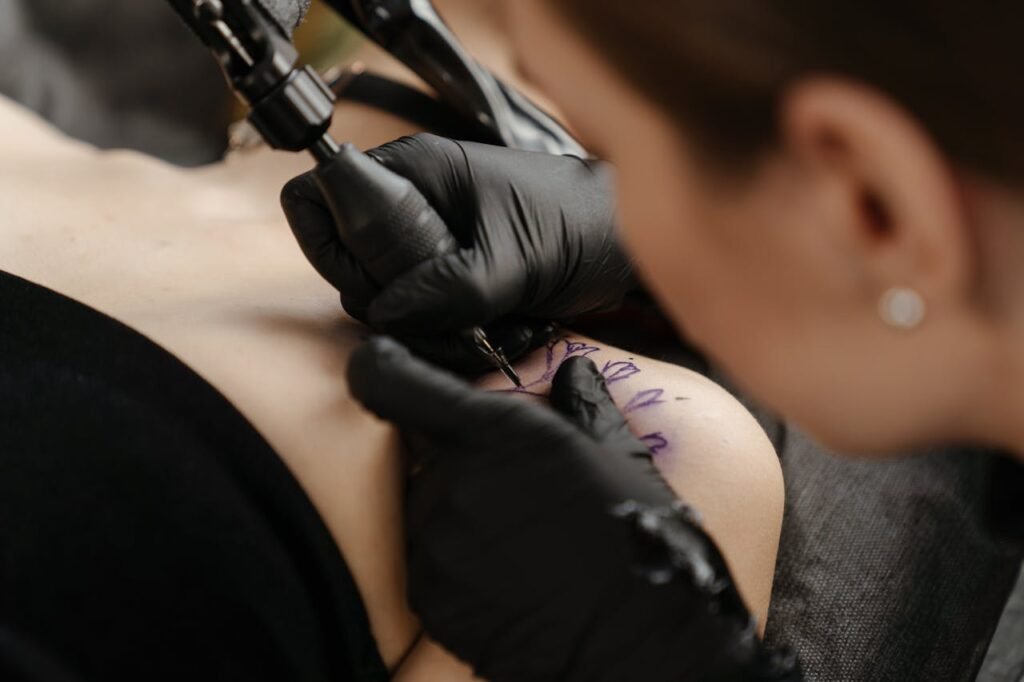
Benefits of Tattoo Removal
Targets Tattoo Pigment Without Surgically Removing the Skin
Modern laser tattoo treatment works by targeting ink particles rather than cutting out the tattooed area. Laser treatment has largely replaced older approaches such as dermabrasion for many tattoo-removal situations because those alternatives can carry greater potential for scarring and unpredictable cosmetic results.
Treatment Can Be Customized to Tattoo Color
Different pigments absorb different wavelengths of light. A qualified medical provider can determine which laser strategy is appropriate rather than treating every tattoo identically.
Useful for Complete Removal or Cover-Up Preparation
Not every client needs every trace of ink removed.
If you plan to replace an old tattoo, targeted fading may provide your tattoo artist with more flexibility for a future cover-up.
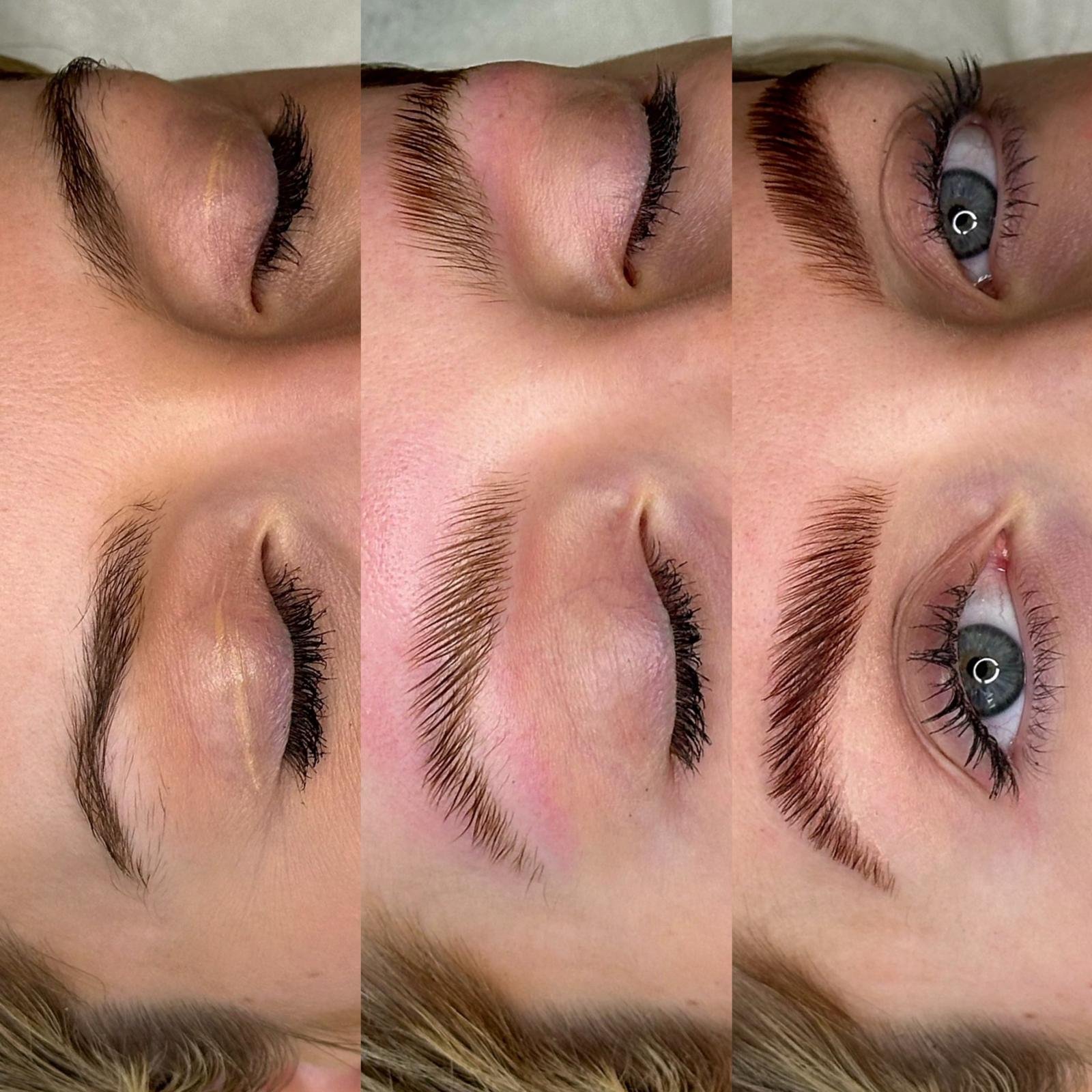
Can Address Selected Cosmetic Tattoos
Individualized Treatment Planning
he best tattoo removal strategy takes into account your tattoo rather than relying only on its dimensions.
Your assessment may consider:
- Pigment colors
- Tattoo density
- Tattoo age
- Tattoo location
- Professional versus amateur application
- Previous laser sessions
- Previous removal attempts
- Skin characteristics
- Scar history
- Medical history
- Medications
- Desired final result
AAD recommends a medical consultation because tattoo age, depth, colors, location, health, medications, and history of raised scarring can all affect treatment planning.
Staged Treatment Protects Healing Skin
Trying to eliminate every layer of pigment in one aggressive treatment is not the goal. Multiple sessions allow the skin to recover and provide time for the body to clear fragmented pigment.
Who Is Tattoo Removal For?
Laser Tattoo Removal May Be Appropriate If You Want To:
- Remove an unwanted body tattoo
- Significantly fade an old tattoo
- Prepare a tattoo for a cover-up
- Treat residual tattoo pigment
- Correct selected unwanted permanent makeup
- Address a tattoo that no longer fits your preferences
- Continue removal after previous incomplete treatments
- Explore medically appropriate options instead of DIY tattoo removal
A consultation is especially important for clients who have darker skin tones, multicolored tattoos, permanent makeup, previous scarring, previous laser treatment, or tattoo reactions.
Cosmetic Tattoo Removal Requires Extra Planning
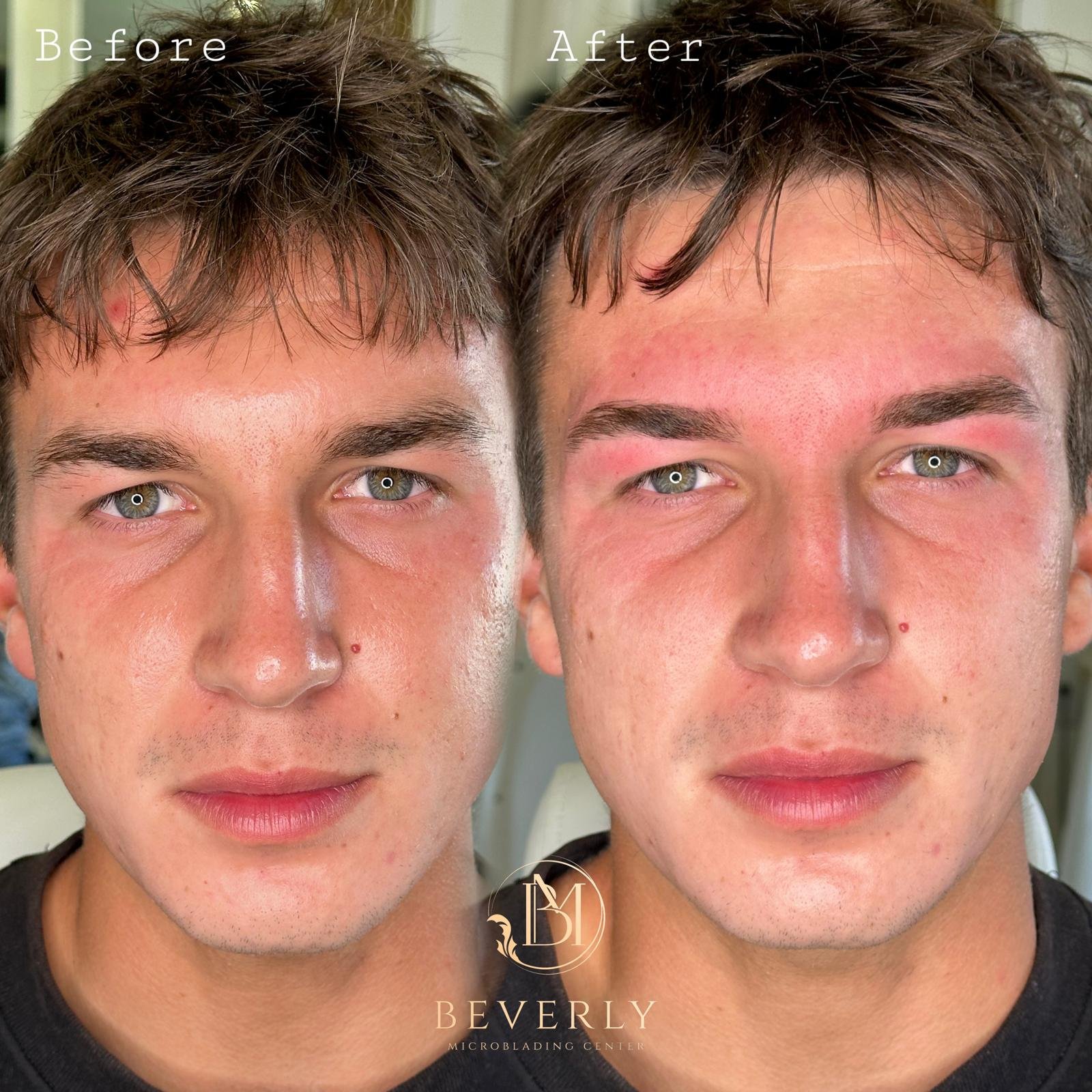
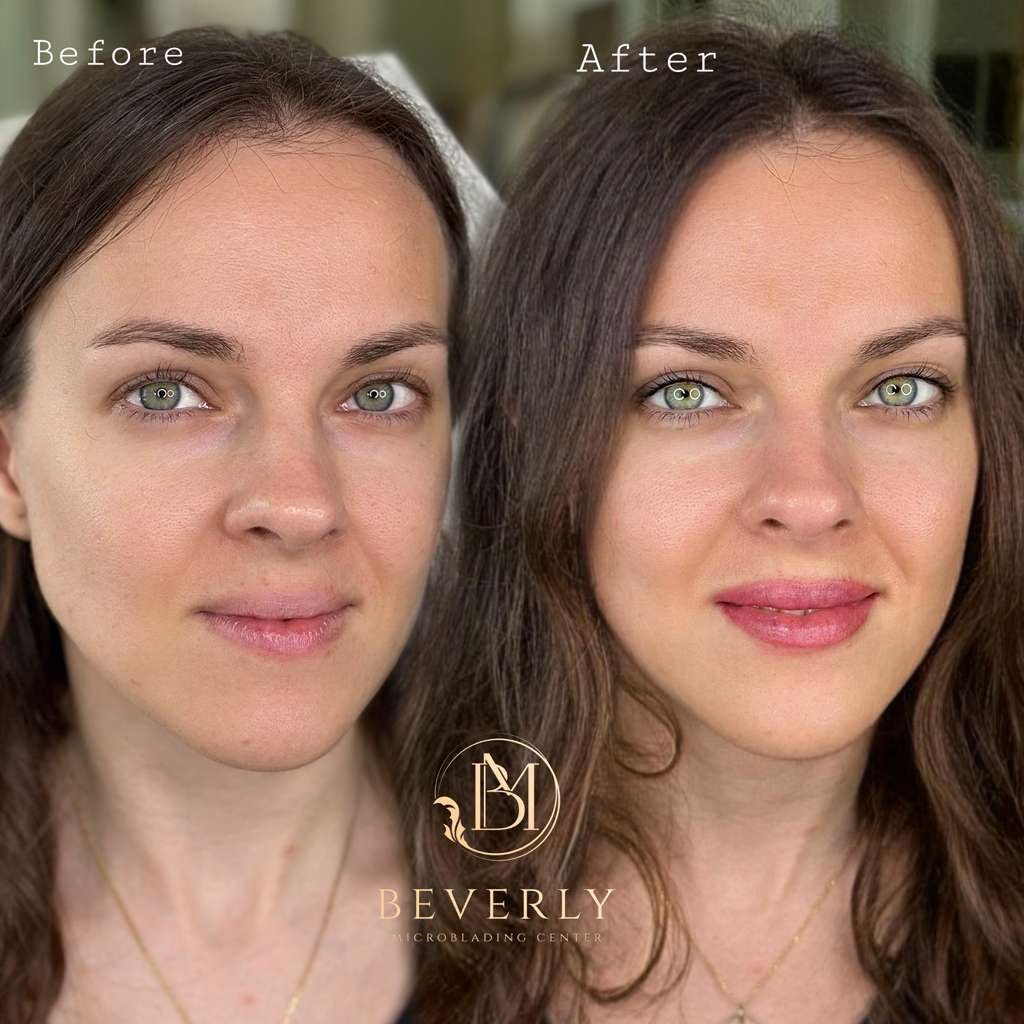
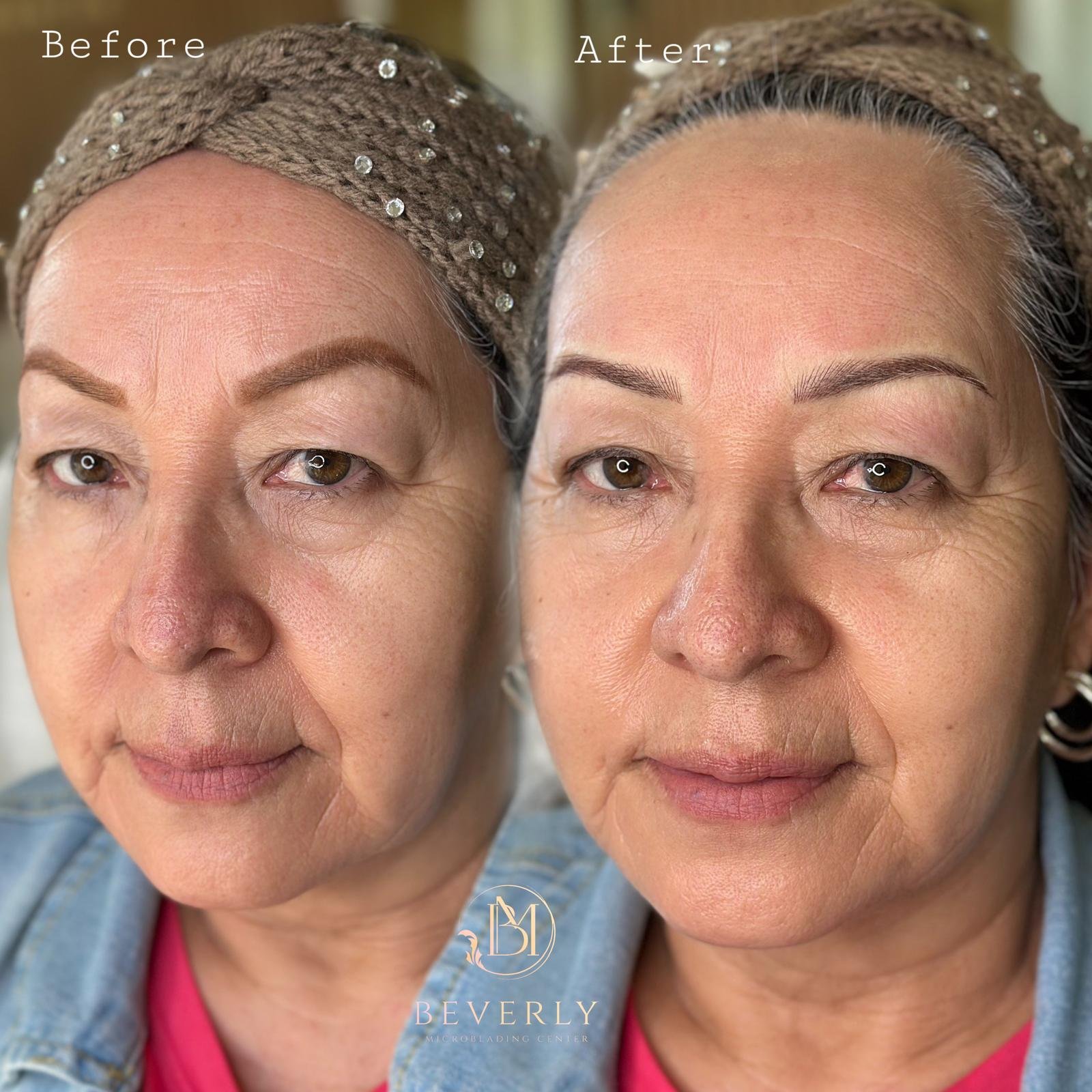
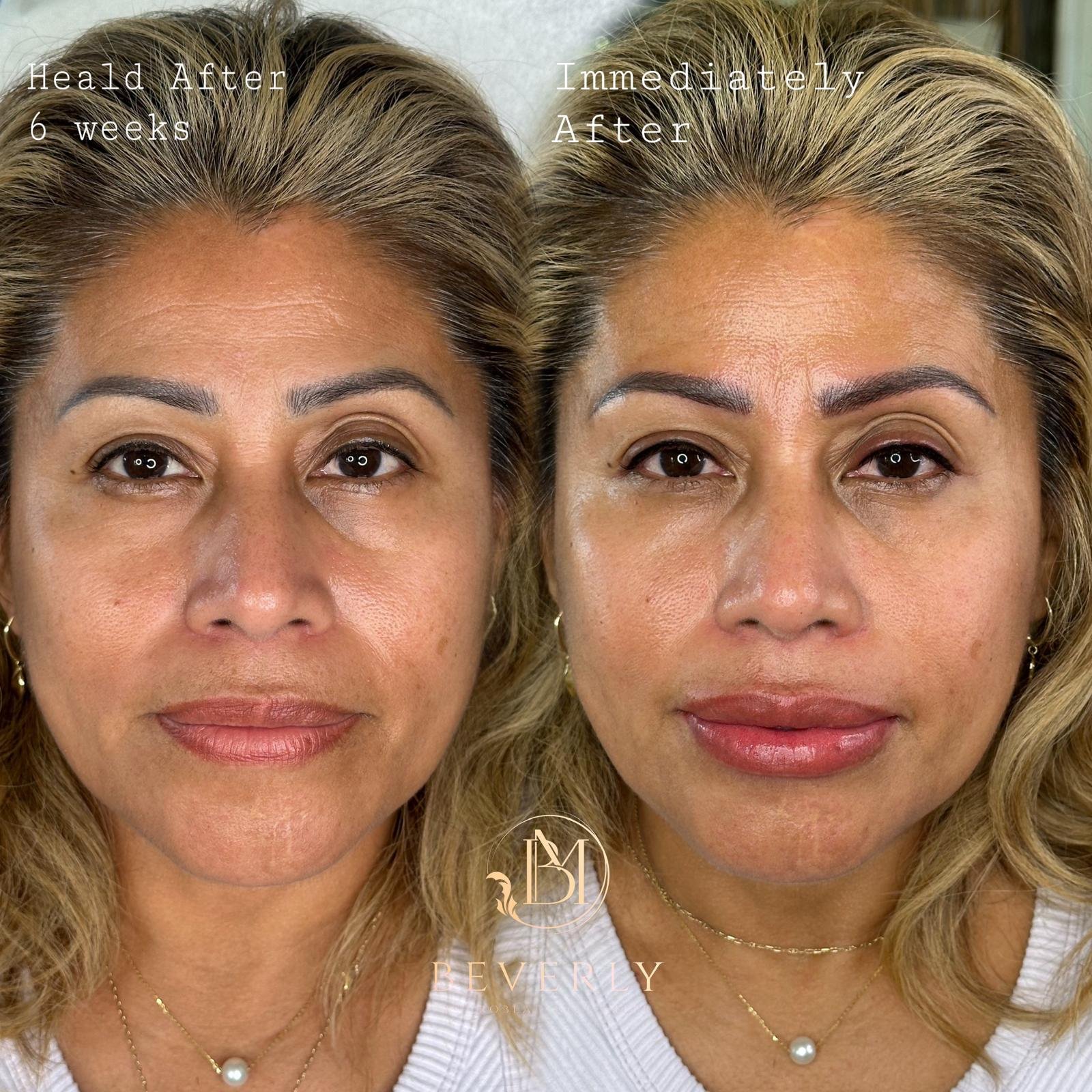
Eyebrow microblading, powder brows, permanent eyeliner, lip blush, and other forms of permanent makeup are tattoos.
However, cosmetic tattoo removal should not be approached as though it were identical to removing a black body-art tattoo.
Certain cosmetic pigments may contain colors that respond unexpectedly to laser exposure. FDA warns that flesh-colored tattoos, white pigment, and permanent makeup can sometimes oxidize and turn darker when treated with laser.
✨ Process: How Tattoo Removal Works
Medical and Tattoo Assessment
Your provider examines the tattoo and discusses:
- Tattoo colors
- Size and location
- Tattoo age
- Previous treatment
- Skin response
- Medications
- Health conditions
- Tendency toward raised scars
- Desired level of removal
AAD emphasizes the importance of evaluating health and medication history before laser tattoo removal.
Set a Realistic Goal
Not everyone needs full removal.
Your treatment goal may be:
- Maximum safe removal
- Significant fading
- Cover-up preparation
- Cosmetic tattoo correction
The expected endpoint should be discussed before the first laser session.
Select an Appropriate Laser Strategy
A tattoo can contain several pigments.
Different colors absorb different light wavelengths, so multicolored tattoos may require different laser approaches. Dark blue and black are generally among the more responsive colors, while other colors can be more difficult.
Eye and Skin Protection
Appropriate safety precautions are used around medical laser treatment.
Laser Treatment
Laser energy is delivered to tattoo pigment.
Patients commonly describe the sensation as sharp or similar to repeated elastic-band snaps. Comfort measures may be available depending on the treatment plan.
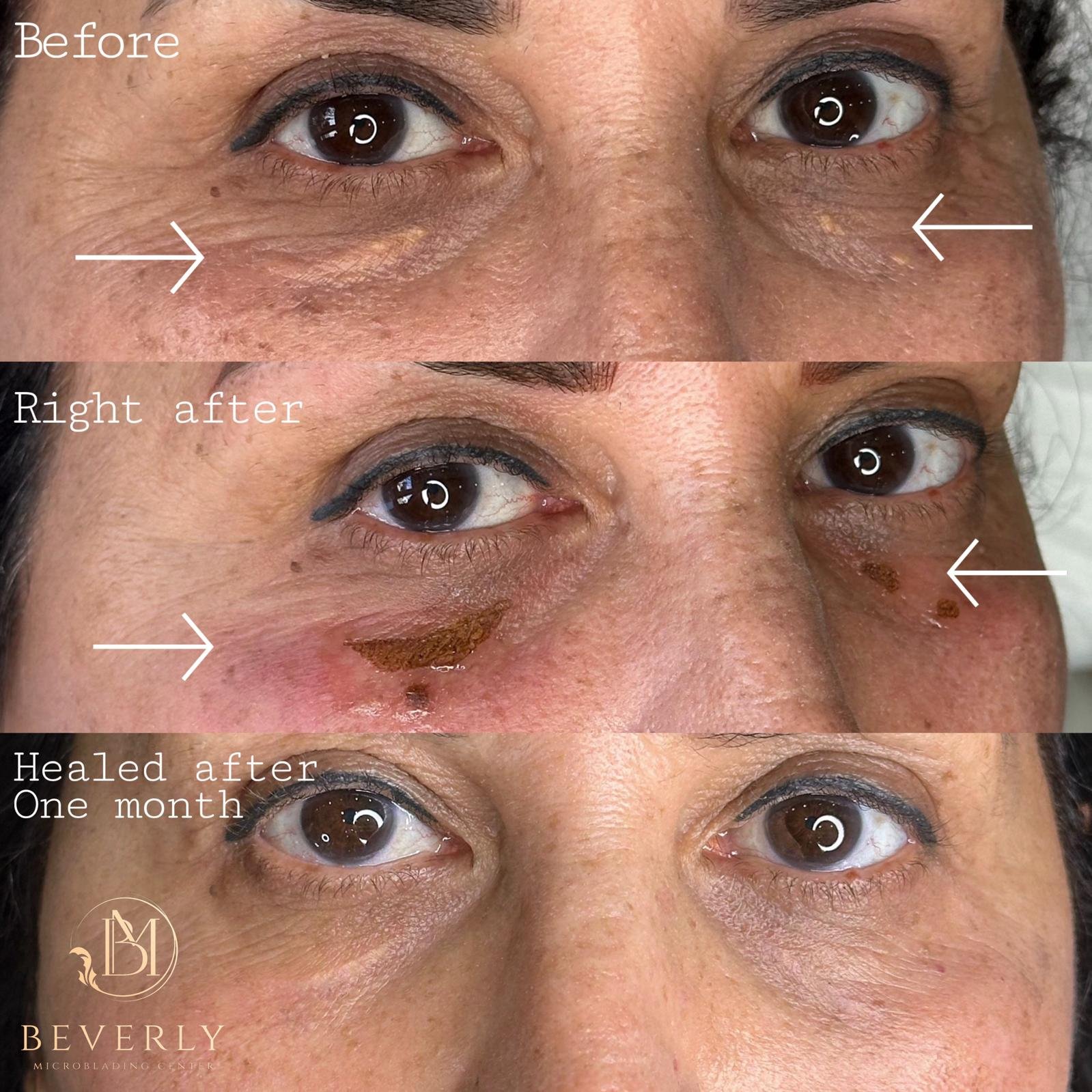
Immediate Skin Response
Temporary effects can include:
- Redness
- Swelling
- Tenderness
- Pinpoint bleeding
- Mild blistering
- Temporary whitening or frosting of the treated tattoo
FDA and AAD both note redness, swelling, soreness, and sometimes blistering as possible short-term responses.
Healing and Gradual Fading
The laser fragments pigment, but your body clears the particles gradually.
This process continues after you leave the appointment.
Reassessment
Who Should Avoid Tattoo Removal?
Treatment may need to be postponed or medically evaluated when there is:
- Active skin infection
- Open wounds
- Significant inflammation
- Active dermatitis in the treatment area
- A recent severe sunburn
- A suspicious mole or skin lesion within or next to the tattoo
- Recent tattooing that has not healed
- A history of significant abnormal scarring
- A serious unexplained reaction within the tattoo
- A medical condition that may interfere with healing or immune function
- Medication or treatment that changes laser suitability
AAD states that pregnancy or breastfeeding are situations in which laser tattoo removal should not be performed and also emphasizes the importance of an effective immune system for pigment clearance.
A mole or changing lesion hidden within a tattoo should also be evaluated appropriately before laser treatment. AAD recommends dermatologic evaluation because removal may reveal lesions that require assessment or biopsy.
Tattoo Removal Healing Process
Immediately After Laser Tattoo Treatment
The area may appear:
- Red
- Swollen
- Tender
- Temporarily lighter
- Slightly blistered
- Sensitive
These effects usually represent the immediate response to laser energy rather than the final result.
During Early Healing
Depending on the treatment response, the skin may develop mild crusting or blisters.
Do not deliberately pop blisters or pick healing skin.
Over the Following Weeks
The skin continues recovering while pigment fragments are gradually cleared.
The tattoo may become progressively lighter.
Do not judge the effectiveness of the session based only on the first few days.
Tattoo Removal Aftercare
Follow your medical provider’s specific instructions.
General aftercare may include:
- Keep the treatment area appropriately clean
- Avoid scratching and picking
- Protect healing skin from friction
- Use only recommended products
- Follow wound-care instructions if blistering occurs
- Avoid unnecessary sun exposure
- Do not intentionally tan the treatment area
- Wait until the skin has healed before the next session
AAD recommends carefully following home-care instructions and protecting treated skin from sun after laser tattoo removal.
Seek medical attention for:
- Increasing pain
- Spreading redness
- Increasing warmth
- Pus or unusual drainage
- Fever
- Significant blistering or wounds
- A severe skin reaction
- Delayed healing
Tattoo Removal Touch-Ups
With tattoo removal, the equivalent of a “touch-up” is usually another laser tattoo removal session.
Each follow-up visit evaluates:
- How much pigment has faded
- Skin healing
- Changes in individual colors
- Remaining ink density
- Whether the laser approach needs modification
- Whether another session is appropriate
Treatment should not simply follow an automatic package schedule. The skin needs adequate healing between procedures. FDA states that laser removal requires multiple treatments separated by weeks to allow the skin to recover.
Los Angeles' Trusted Permanent Makeup Experts
Why Choose Beverly Microblading Center?

Licensed & Certified Professionals

11+ Years of Experience in Microblading

30+ Years of Experience in PMU

Customized Brow Mapping

Premium Quality Pigments

Single-Use Sterile Needles

Complimentary Consultation

Thousands of Happy Clients

Luxury, Clean & Welcoming Studio
Testimonials
Trusted Feedback from Real Clients
— Client, Westwood
— Client, Beverly Hills
— Client, Century City
— Client, Brentwood
— Client, Santa Monica
Everything You Need to Know About Tattoo Removal
Frequently Asked Questions
What Is the Best Way to Remove a Tattoo?
How Does a Tattoo Removal Procedure Work?
How Many Laser Tattoo Removal Sessions Will I Need?
Can Cosmetic Tattoo Removal Remove Microblading or Permanent Makeup?
Does Laser Tattoo Removal Leave a Scar?
Does Tattoo Removal Hurt?
Can One Laser Remove Every Tattoo Color?
Is Affordable Tattoo Removal Still Safe?
Can Laser Treatment Remove Both My Tattoo and Scar?
Where Can I Get Tattoo Removal in Los Angeles?






Featured Post
Learn More From Our Tattoo Removal Blogs