Areola Repigmentation in Los Angeles
Customized Areola Micropigmentation for Natural-Looking Color, Shape and Visual Balance
Personalized Areola Repigmentation Designed Around You
Areola repigmentation is a specialized cosmetic tattoo technique that uses carefully selected pigment to recreate, restore, or improve the visible color and shape of the nipple-areola area. Areola micropigmentation is commonly used after breast reconstruction and may also help suitable clients address loss of pigmentation or improve visual symmetry after fully healed breast procedures. Medical tattooing programs use nipple-areola pigmentation to restore color and create a more natural-looking appearance following breast reconstruction.
Every treatment is individualized. There is no single universal areola shade, diameter, border, or undertone. Pigment planning considers your surrounding skin, existing areola color when present, breast anatomy, surgical history, scars, desired shape, and whether treatment is being performed on one or both sides. When only one areola is being treated, the goal may be to create a closer visual relationship with the opposite side, although an exact match cannot be guaranteed.
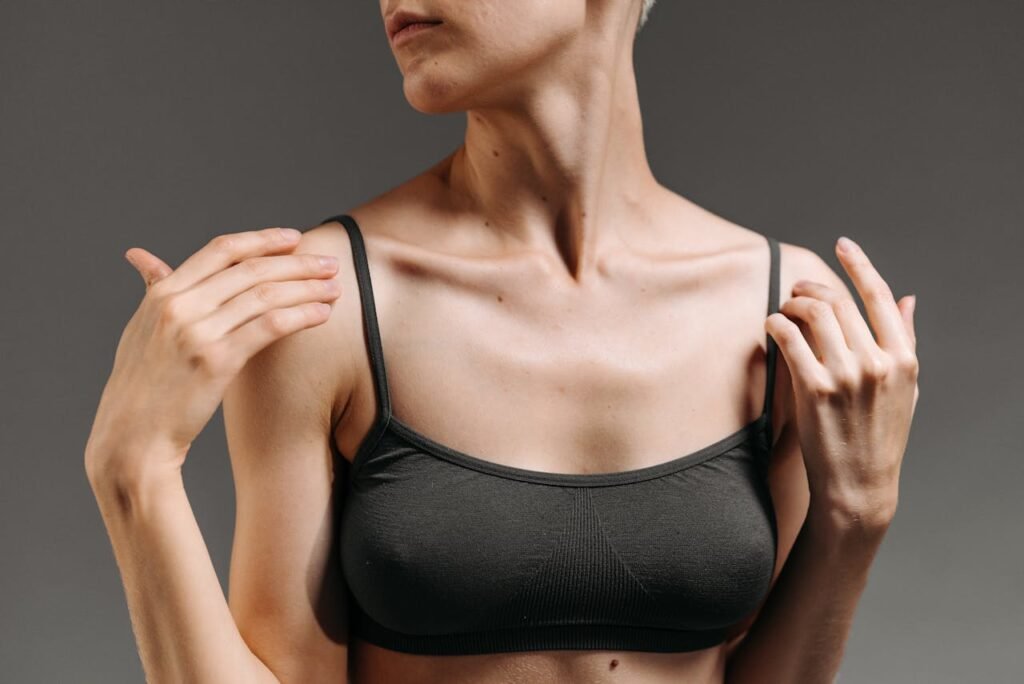
Benefits of Areola Repigmentation
Restores Visible Areola Color
Creates a More Complete-Looking Reconstruction
Improves Visual Symmetry
Customized Color Matching
Customized Shape and Size
Can Incorporate Selected Healed Scars
2D or Dimensional Visual Effects
Long-Lasting Cosmetic Enhancement
Private, Personalized Treatment
Who Is Areola Repigmentation For?
Treatment May Be Appropriate for Clients Who:
- Have completed breast reconstruction and are medically ready for tattooing
- Have undergone nipple reconstruction and want areola color restored
- Have had a mastectomy followed by reconstruction
- Want a visual nipple-areola appearance without additional nipple reconstruction
- Have one reconstructed areola that needs closer color balance with the natural side
- Have suitable healed scars around the nipple-areola area
- Have experienced loss or reduction of areola pigmentation
- Have stable, fully healed tissue suitable for cosmetic tattooing
- Understand that results are cosmetic and individualized
Areola tattooing is routinely used in reconstructive care to restore nipple-areola color or create the appearance of the nipple-areola complex following breast reconstruction.
✨ Process: How Areola Repigmentation Works
Private Consultation
Your consultation reviews:
- Breast and surgical history relevant to treatment
- Whether reconstruction has healed
- Existing nipple or areola tissue
- Scar location
- Skin condition
- Previous micropigmentation
- Pigment allergies or tattoo reactions
- Desired color
- Desired size and shape
- Symmetry goals
Recent surgical areas may need clearance from the treating medical team before cosmetic tattooing.
Shape and Placement Planning
Before tattooing, the proposed areola dimensions and placement are mapped.
For unilateral treatment, the existing areola may guide the design.
For bilateral treatment, the shape can be planned according to breast anatomy, reconstructive outcome, and personal preference.
Pigment Selection
Areola pigmentation often contains more than one visual tone.
The practitioner may consider:
- Brown
- Pink
- Rose
- Neutral
- Warm
- Cool
- Golden
- Deeper or lighter accent tones
The objective is dimensional, natural-looking color rather than a flat circle of one pigment.
Micropigmentation
Pigment is introduced into the skin using specialized tattoo equipment.
Los Angeles County considers micropigmentation a permanent-cosmetics/body-art procedure involving pigment placed into skin and requires body-art practitioners to be registered.
Initial Healing
Fresh pigment may appear stronger, darker, warmer, or more defined than the eventual healed result.
Temporary swelling, redness, tenderness, or pinpoint bleeding may occur because tattooing involves needle penetration.
Healed Color Assessment
Once the area has healed, the pigment can be evaluated more accurately.
Scarred or reconstructed tissue may not retain color uniformly, so a follow-up assessment is useful before deciding whether more pigment is necessary.
Refinement
Additional treatment may improve:
- Color balance
- Symmetry
- Border definition
- Areas that healed lighter
- Dimensional shading
- Scar blending
Who Should Avoid Areola Repigmentation?
Treatment may need to be postponed when there is:
- Recent breast surgery that has not fully healed
- Open skin or wounds
- Active infection
- Drainage
- Significant redness or inflammation
- Active dermatitis or eczema in the area
- Unexplained breast or skin changes
- A suspicious lesion
- Significant wound-healing problems
- A previous serious tattoo-pigment reaction
- Uncontrolled medical conditions affecting healing
- A tendency toward significant keloid formation
- Ongoing treatment where your medical team advises delaying tattooing
FDA identifies infection, allergic reactions, granulomas, keloid formation, and other skin reactions among the potential risks of permanent tattooing.
Areola Repigmentation Healing Process
The Nano Brows healing process happens gradually over several weeks. Understanding each stage helps set realistic expectations and ensures the best possible results.
Immediately After Treatment
The area may appear:
- Darker than the intended final color
- Mildly red
- Slightly swollen
- Tender or sensitive
- More defined than expected
First Several Days
The treatment area begins recovering.
Depending on your individual healing response, mild dryness or superficial flaking can occur.
Avoid scratching, rubbing, or picking at the area.
Following Weeks
Pigment becomes softer and the healed color becomes easier to evaluate.
Sections of reconstructed or scarred tissue may retain pigment differently.
After Full Healing
Areola Repigmentation Aftercare
Your practitioner’s specific written instructions should take priority.
General aftercare may include:
- Wash your hands before touching the treatment area
- Keep the area clean as instructed
- Use only recommended dressings or products
- Avoid scratching or picking
- Avoid unnecessary rubbing
- Avoid prolonged soaking
- Avoid swimming during early healing
- Avoid hot tubs
- Avoid sauna and steam while healing
- Avoid vigorous activity if it causes significant friction or sweating around the fresh treatment
- Avoid unapproved skincare products on the tattoo
- Follow instructions for showering and dressing changes
- Protect healed pigmentation from excessive sun exposure
Because tattooing breaks the skin barrier, infection prevention is important. Los Angeles County highlights local infection, bloodborne pathogens, and cross-contamination among the major health risks associated with body art.
Seek medical attention for progressively worsening redness, pain, warmth, swelling, unusual drainage, fever, or other concerning symptoms.
Areola Repigmentation Touch-Ups
Initial Follow-Up
A follow-up appointment allows the healed pigment to be evaluated.
Do not judge whether you need more pigment while the tattoo is still fresh.
Why a Second Session May Be Needed
Areola tattooing frequently requires more than one treatment because pigment can heal lighter or unevenly, particularly in reconstructed or scarred tissue. Some medical micropigmentation programs routinely plan multiple sessions several weeks apart.
Additional treatment may refine:
- Color
- Undertone
- Border
- Symmetry
- Shading
- Lighter areas
- Scar transitions
Long-Term Maintenance
Pigment may gradually soften over time.
Future areola repigmentation may be considered if:
- Color has faded
- One area fades differently
- Additional definition is desired
- Surrounding tissue changes
- A previous tattoo requires refreshing
A touch-up should be based on the actual healed appearance rather than automatically scheduled without assessment.
Los Angeles' Trusted Permanent Makeup Experts
Why Choose Beverly Microblading Center?

Licensed & Certified Professionals

11+ Years of Experience in Microblading

30+ Years of Experience in PMU

Customized Brow Mapping

Premium Quality Pigments

Single-Use Sterile Needles

Complimentary Consultation

Thousands of Happy Clients

Luxury, Clean & Welcoming Studio
Testimonials
Trusted Feedback from Real Clients
— Client, Westwood
— Client, Beverly Hills
— Client, Century City
— Client, Brentwood
— Client, Santa Monica
Everything You Need to Know About Areola Repigmentation
Frequently Asked Questions
What Is Areola Repigmentation?
What Is the Difference Between Areola Pigmentation and Areola Micropigmentation?
Can Areola Micropigmentation Create a Nipple?
Can Areola Repigmentation Be Done After Breast Reconstruction?
Can You Match My Existing Areola?
How Many Areola Micropigmentation Sessions Will I Need?
Does Areola Repigmentation Hurt?
How Long Does Areola Pigmentation Last?
Is Areola Micropigmentation Safe?
Where Can I Book Areola Repigmentation in Los Angeles?
Featured Post
Learn More From Our Areola Repigmentation Blogs