Professional Milia Removal in Los Angeles
Precise Milia Extraction for the Face and Delicate Under-Eye Area
milia removal: Clearer, Smoother-Looking Skin
If you are wondering what is milia, milia are small, firm cysts that form beneath the surface of the skin when keratin becomes trapped. They commonly appear as tiny white or yellowish bumps on the cheeks, forehead, nose, eyelids, and under the eyes. Unlike ordinary whiteheads, milia are not acne and often cannot simply be squeezed out.
Professional milia removal begins by confirming that the bumps are actually milia. Similar-looking concerns—including closed comedones, sebaceous hyperplasia, syringomas, and other skin growths—may require different treatment. Once the area is assessed, an appropriately qualified medical professional can determine whether milia extraction, skincare, observation, or another treatment is most suitable.

Benefits of Milia Removal
Accurate Skin Assessment
Precise Milia Extraction
Treatment for Persistent Milia
Specialized Attention for Milia Under the Eyes
Smoother-Looking Skin
Reduced Risk From Home Picking
Personalized Milia Treatment
Clear Aftercare Guidance
Local Follow-Up
Who Is Milia Removal For?
Professional milia treatment may be appropriate if you:
- Have persistent small white or yellowish bumps
- Have confirmed facial milia
- Have milia that have not resolved naturally
- Are bothered by the appearance or texture
- Have one or several visible milia
- Want professional milia extraction
- Have unsuccessfully tried gentle skincare
- Want to know how to remove milia safely
- Have realistic expectations about recurrence
- Can follow post-treatment skincare instructions
Common Treatment Areas
Milia may develop around the:
- Cheeks
- Forehead
- Nose
- Chin
- Eyelids
- Under-eye area
- Jawline
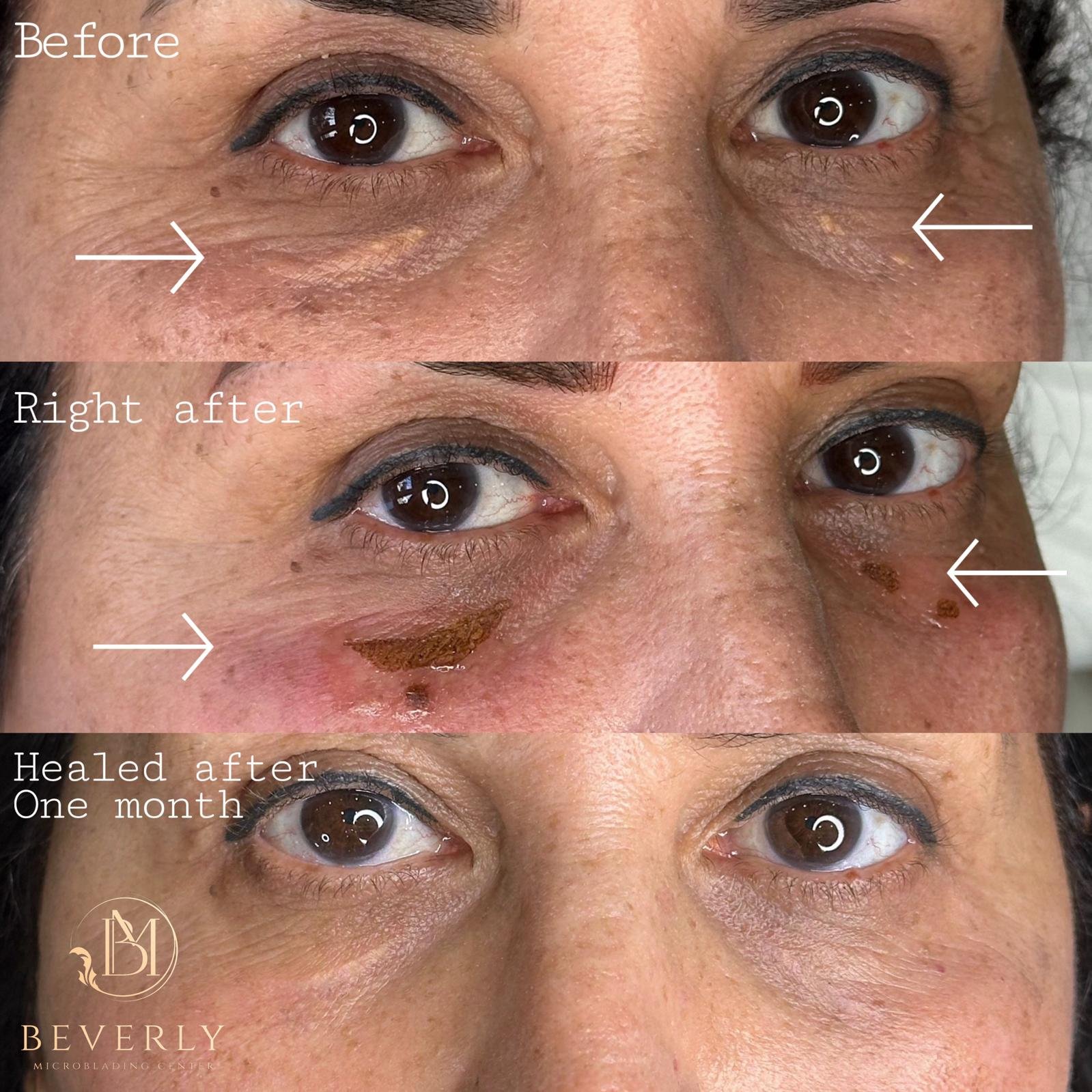
The eyelids and area beneath the eyes are common locations for primary milia.
Extra Care for the Delicate Eye Area
Milia under the eyes are common, but not every small bump around the eye is a milium. Syringomas and other benign growths can sometimes have a similar appearance, so diagnosis matters before treatment.
✨ Process: How Milia Removal Works
Skin Consultation
Your appointment begins with an assessment of the bumps, skin type, sensitivity, and treatment history.
Your provider may ask about:
- How long the bumps have been present
- Whether they have changed
- Previous milia
- Recent facial treatments
- Retinoid or exfoliating product use
- Skin allergies
- Eczema or dermatitis
- History of pigmentation changes
- Scar or keloid history
- Current medications
- Recent eye procedures when treating near the eyes
Confirming Milia
Milia can usually be recognized through a clinical skin examination. Additional testing is generally unnecessary unless the diagnosis is uncertain.
If a bump appears unusual, inflamed, rapidly changing, or inconsistent with typical milia, treatment may be postponed and medical evaluation recommended.
Preparing the Skin
The treatment area is carefully cleansed and prepared.
When appropriate, comfort measures may be discussed depending on the number, depth, and location of the milia.
Professional Milia Extraction
How Are Milia Removed?
For suitable milia, a qualified healthcare provider may create a very small opening in the surface before carefully removing the trapped keratin material. Cleveland Clinic lists office-based puncture and removal among professional treatment options for adult milia.
The procedure should be controlled and precise rather than performed through forceful squeezing.
Under-Eye Treatment
For milia under eyes, the provider evaluates each bump individually. Milia very close to the eyelid margin or in a difficult location may require referral rather than routine extraction.
Skin Review
After extraction, the area is checked for:
- Redness
- Bleeding
- Swelling
- Skin irritation
- Complete removal
- Need for additional treatment
Aftercare
You receive personalized instructions on cleansing, skincare, sun protection, and when to resume active products.
Other Milia Treatment Options
Not every case requires extraction.
Depending on the type, number, and location of milia, a healthcare provider may discuss:
Observation
Many milia are harmless and do not require treatment. Some disappear naturally over time.
Topical Retinoid Treatment
For selected adult cases, topical adapalene or prescription tretinoin may sometimes be considered. These treatments are not suitable for everyone and require particular caution around the eyes.
Cryotherapy
Freezing treatment may occasionally be considered for selected milia, although the cosmetic risk of pigmentation changes and the location of the lesions must be considered.
Treatment of an Underlying Skin Problem
Secondary milia can develop after skin injury, burns, blistering, excessive sun exposure, or certain heavy creams or ointments. Managing the underlying trigger may be part of the treatment plan.
Who Should Avoid Milia Removal?
Milia extraction may need to be postponed or modified if you have:
- Active skin infection
- Open wounds
- Significant inflammation
- Active eczema or dermatitis in the area
- Sunburned skin
- Active cold sores
- Recent aggressive chemical peel
- Recent laser treatment
- Recent microneedling in the same area
- Poorly controlled diabetes
- Impaired wound healing
- Significant immune suppression
- A bleeding disorder
- Medication that has not been medically reviewed
- A strong history of abnormal scarring
- An unidentified or suspicious skin growth
Do not stop prescribed medication without guidance from your healthcare professional.
Milia Removal Healing Process
Immediately After Milia Extraction
The treated area may look:
- Pink or red
- Slightly swollen
- Mildly sensitive
- Temporarily more noticeable
A tiny superficial treatment point may be visible where the milium was removed.
First 24–48 Hours
Redness and sensitivity usually begin settling. Small pinpoint crusts can develop in some treated areas.
Avoid touching or repeatedly checking the area with your fingers.
Days 3–7
Following Weeks
Temporary redness or discoloration may continue longer in some skin tones.
The final appearance should be evaluated only after the skin has completely settled.
Milia Removal Aftercare
Follow your provider’s specific instructions.
General aftercare may include:
- Keep the area clean
- Wash your hands before touching the skin
- Use a gentle cleanser
- Avoid rubbing or scrubbing
- Do not pick at treatment points
- Avoid squeezing nearby milia
- Use only recommended moisturizer
- Pause retinoids when instructed
- Avoid exfoliating acids temporarily
- Avoid facial scrubs
- Avoid waxing directly over healing skin
- Delay threading over the treated area
- Avoid excessive heat and steam
- Use appropriate sun protection
- Avoid makeup directly over open treatment points until cleared
Milia Removal Touch-Ups
- Follow-Up Review: Most milia do not require a traditional cosmetic touch-up. Follow-up focuses on healing and whether any lesions remain.
- Additional Extraction: When several milia are present, treatment may sometimes be divided into more than one appointment, especially around delicate areas such as beneath the eyes.
- New or Recurrent Milia: Removing existing milia does not prevent new ones from forming. New cysts may develop because of individual skin tendencies, previous skin injury, sun damage, or other factors.
- Skincare Review: Your provider may review cleansers, moisturizers, eye products, exfoliation, or topical treatment to reduce avoidable contributors without over-irritating the skin.
Los Angeles' Trusted Permanent Makeup Experts
Why Choose Beverly Microblading Center?

Licensed & Certified Professionals

11+ Years of Experience in Microblading

30+ Years of Experience in PMU

Customized Brow Mapping

Premium Quality Pigments

Single-Use Sterile Needles

Complimentary Consultation

Thousands of Happy Clients

Luxury, Clean & Welcoming Studio
Testimonials
Trusted Feedback from Real Clients
— Client, Westwood
— Client, Beverly Hills
— Client, Century City
— Client, Brentwood
— Client, Santa Monica
Everything You Need to Know About Milia Removal
Frequently Asked Questions
What Is Milia?
How Are Milia Removed?
How Can I Remove Milia Safely?
How to Remove Milia Under the Eyes?
Can I Squeeze Milia Like a Whitehead?
Is Milia Extraction Painful?
Will Milia Come Back After Removal?
What Causes Milia Under Eye Areas?
How Long Does Skin Take to Heal After Milia Removal?
Where Can I Book Milia Removal in Los Angeles?


Featured Post
Learn More From Our Milia Removal Blogs