Plasma Fibroblast Treatment in Los Angeles
Explore a personalized plasma face lift consultation in Westwood
What Is Plasma Fibroblast Treatment?
Plasma fibroblast treatment—also called plasma exeresis, plasma pen treatment, or fibroblasting—uses a device that creates an electrical arc between its tip and the skin. The energy ionizes gases in the surrounding air and produces controlled thermal effects in targeted tissue
The phrase plasma face lift is commonly used in marketing, but the treatment is not a surgical facelift. It does not remove large amounts of excess skin, reposition deeper facial structures, or recreate the results of surgical lifting. A responsible consultation explains what may improve, what is unlikely to change, how long visible recovery may last, and whether a different procedure would provide a safer or more predictable result.

Benefits of Plasma Fibroblast Treatment
Targeted Application
No Surgical Incisions
Possible Improvement in Selected Mild Concerns
Customized Treatment Area
Gradual Result Development
A Non-Surgical Consultation Option
Treatment Planning Around Your Skin
Clear Comparison With Alternatives
Who Is Plasma Fibroblast Treatment For?
A consultation may be appropriate if you:
- Have a focused cosmetic concern suitable for the selected device
- Understand that the procedure creates controlled tissue injury
- Have realistic expectations
- Can accommodate visible redness, swelling, crusting, or discoloration
- Can follow detailed aftercare
- Are prepared to avoid sun exposure during healing
- Are willing to discuss alternative treatments
- Want a medical assessment before choosing a procedure
- Understand that more than one session may be recommended
- Accept that results and longevity vary
Concerns That May Be Evaluated
Depending on the device’s intended use and the provider’s assessment, a consultation may discuss:
- Selected areas of mild skin laxity
- Fine lines around a suitable treatment area
- Upper-eyelid concerns
- Periorbital texture
- Small, focused areas requiring tissue coagulation
- Previously treated areas requiring professional review
The presence of a concern does not automatically mean plasma treatment is suitable.
✨ Process: How Plasma Fibroblast Treatment Works
Medical Consultation
Your appointment begins with a detailed review of:
- Your primary concern
- Medical history
- Previous cosmetic procedures
- Skin-healing history
- Pigmentation changes after injury
- Scarring history
- Current prescriptions
- Anticoagulant use
- Allergies
- Active skincare
- Recent sun exposure
- Upcoming events
- Expected downtime
- Treatment alternatives
Skin and Treatment-Area Assessment
The provider evaluates the skin’s condition, color, thickness, sensitivity, active inflammation, and suitability for the intended device use.
Any lesion that is changing, bleeding, irregular, painful, or undiagnosed requires appropriate medical evaluation before cosmetic treatment.
Photography and Treatment Planning
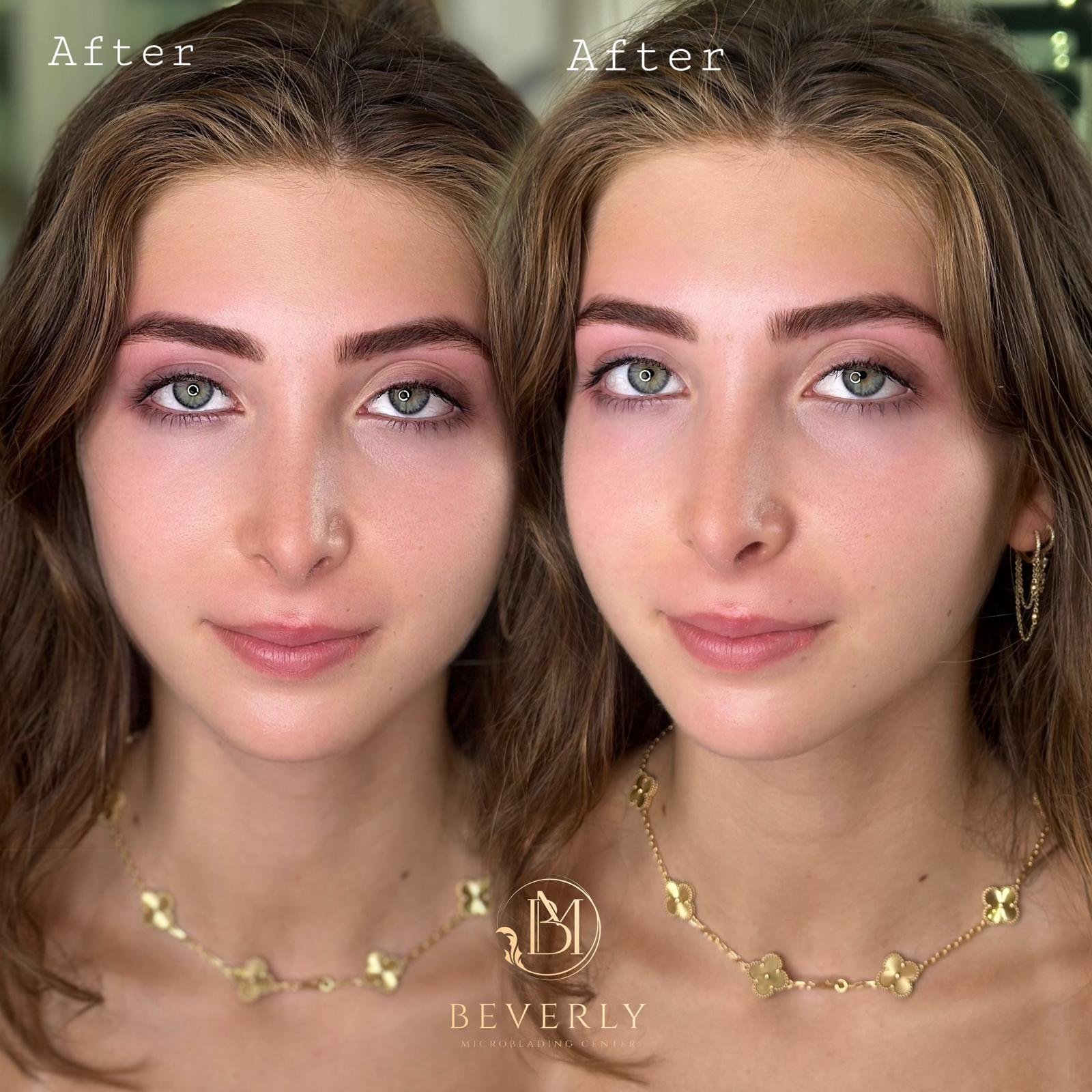
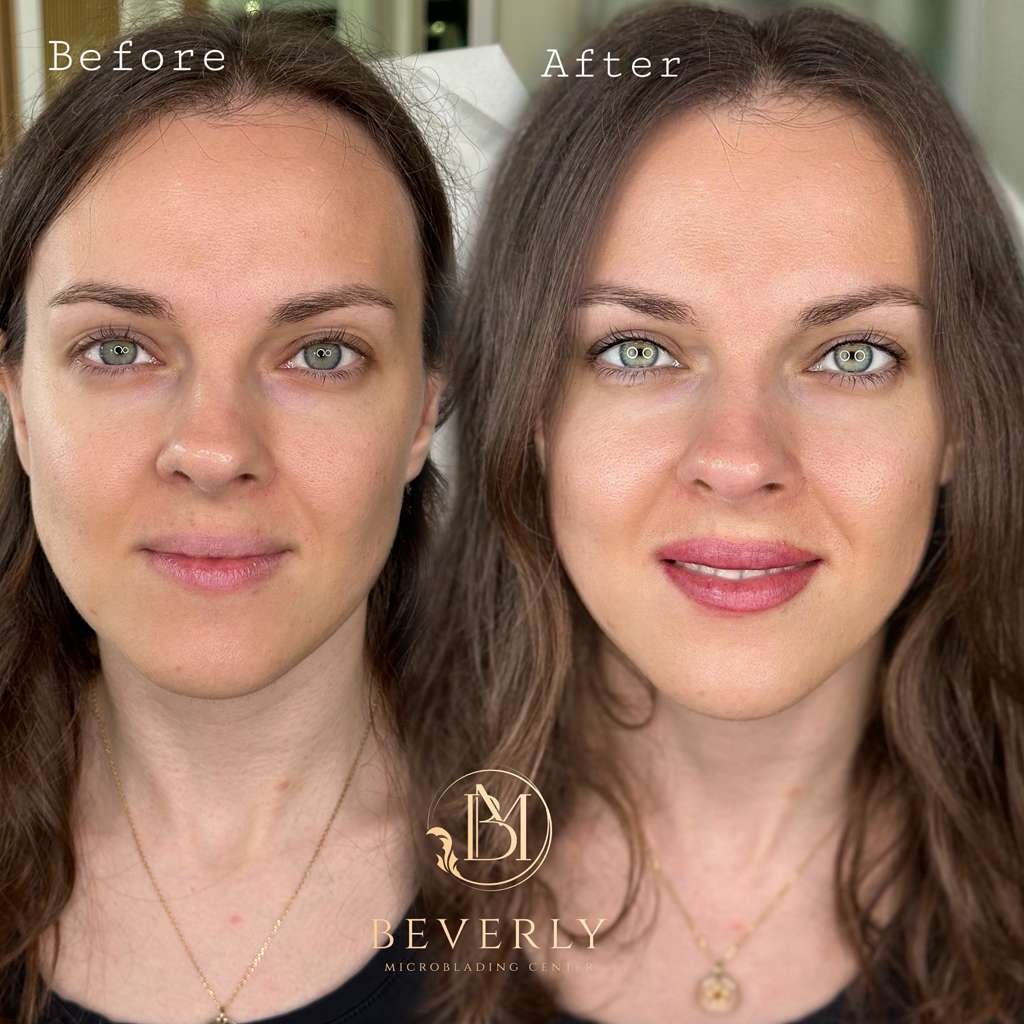
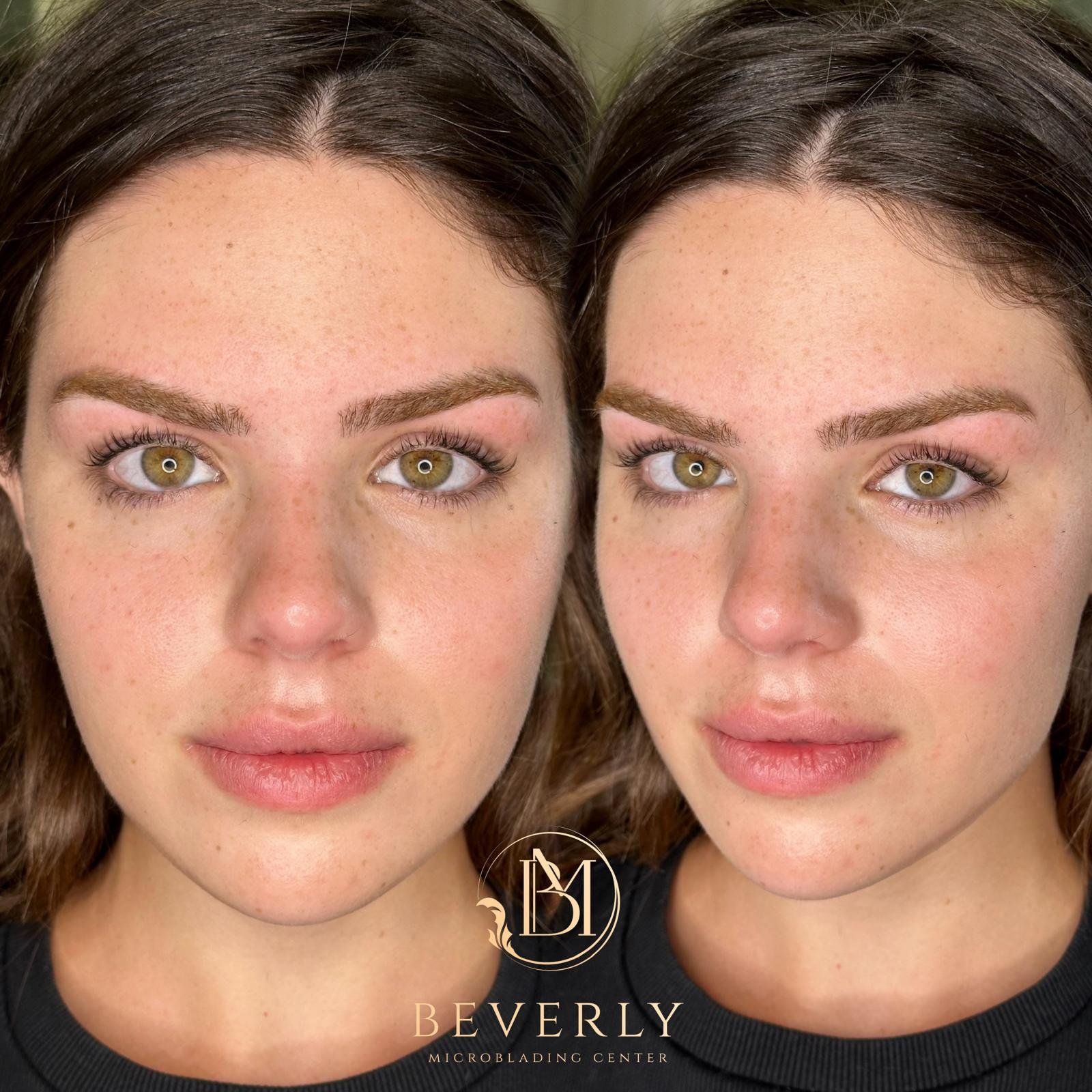
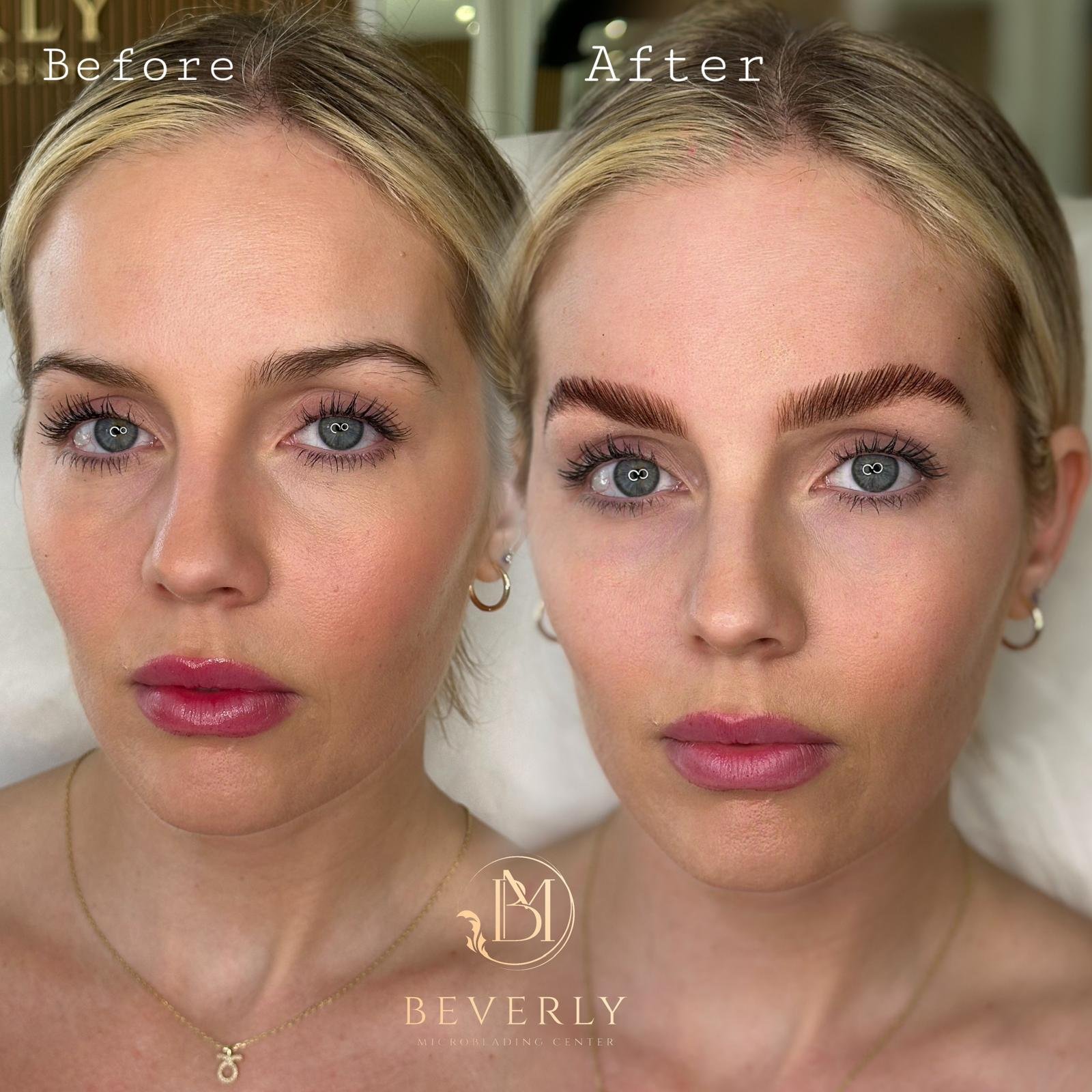
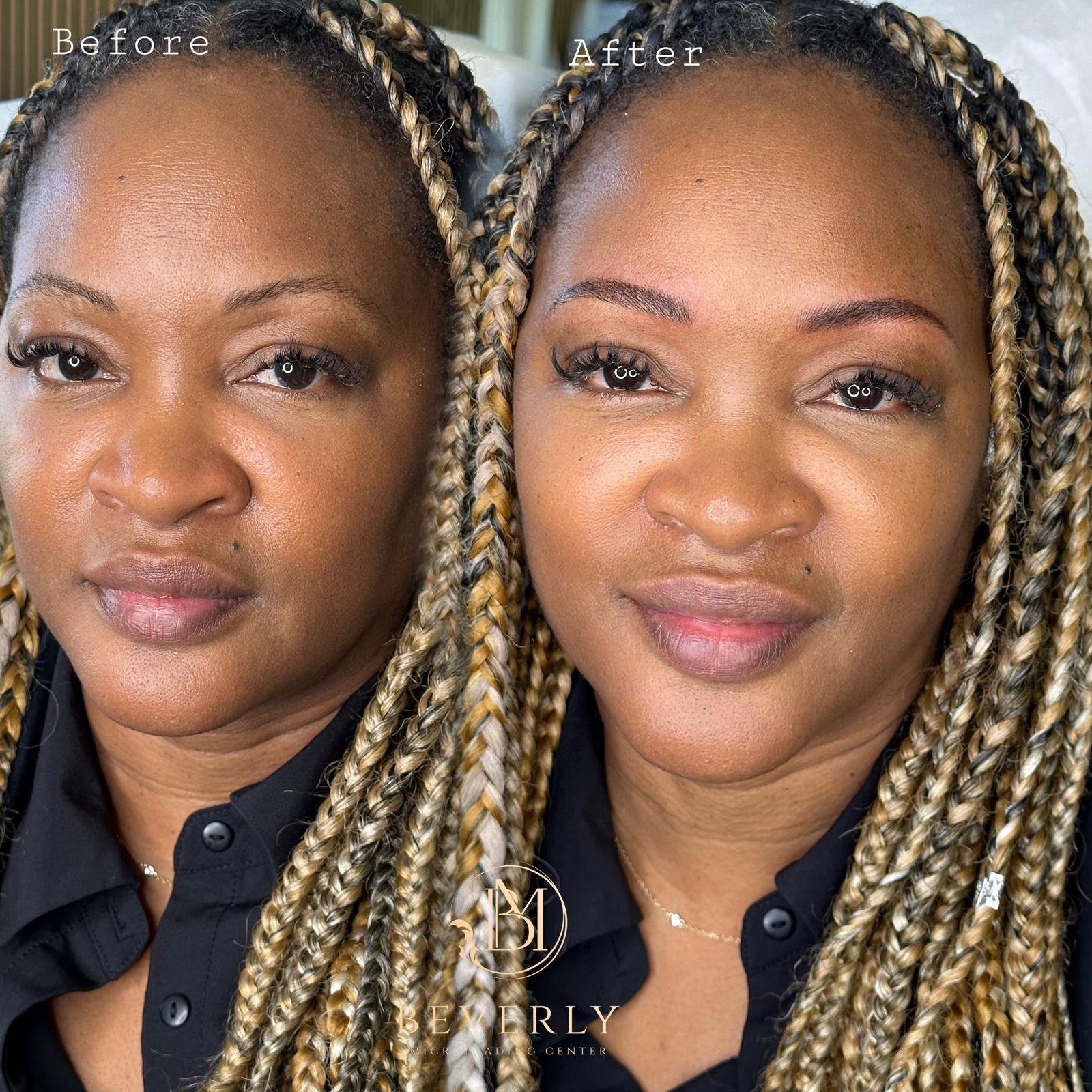
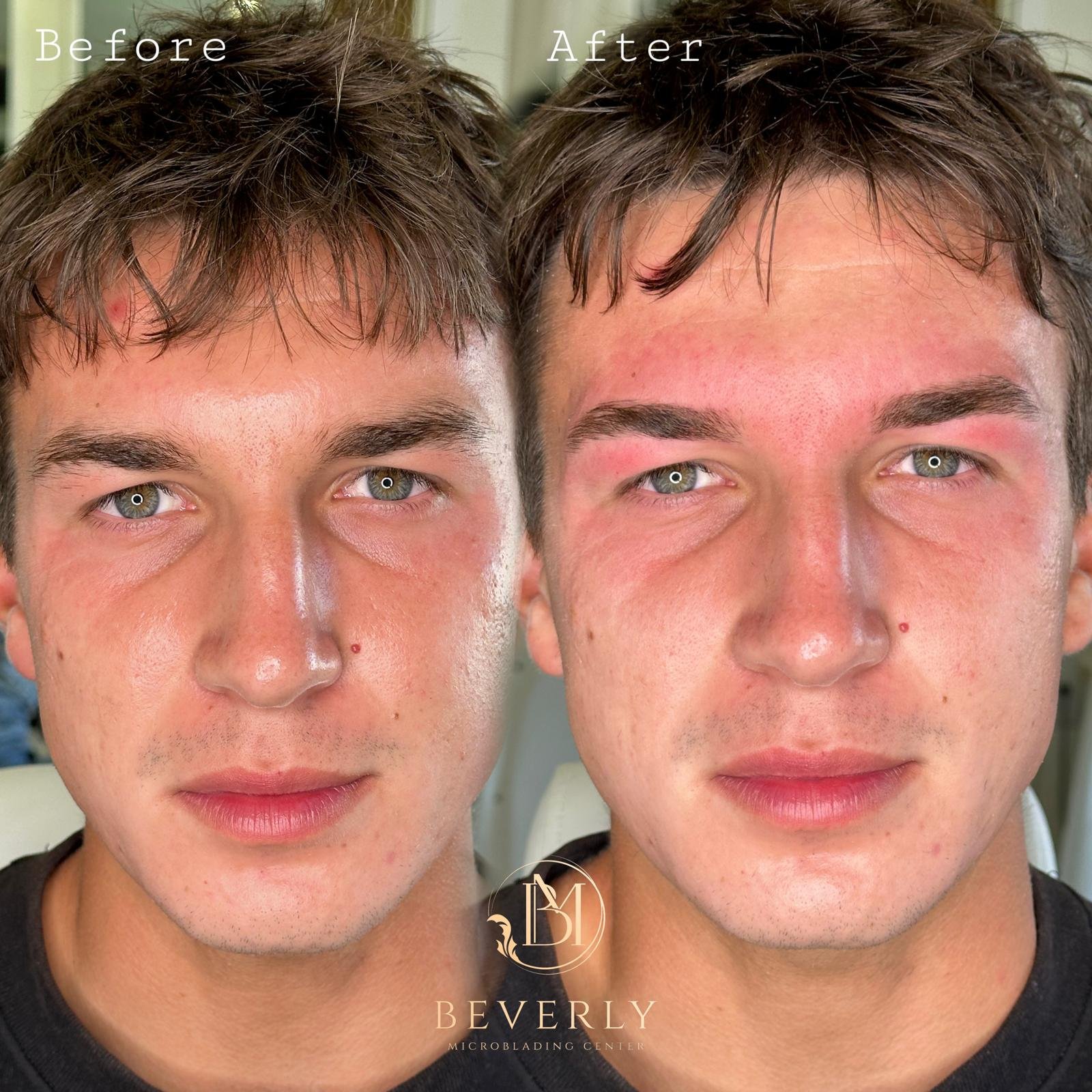
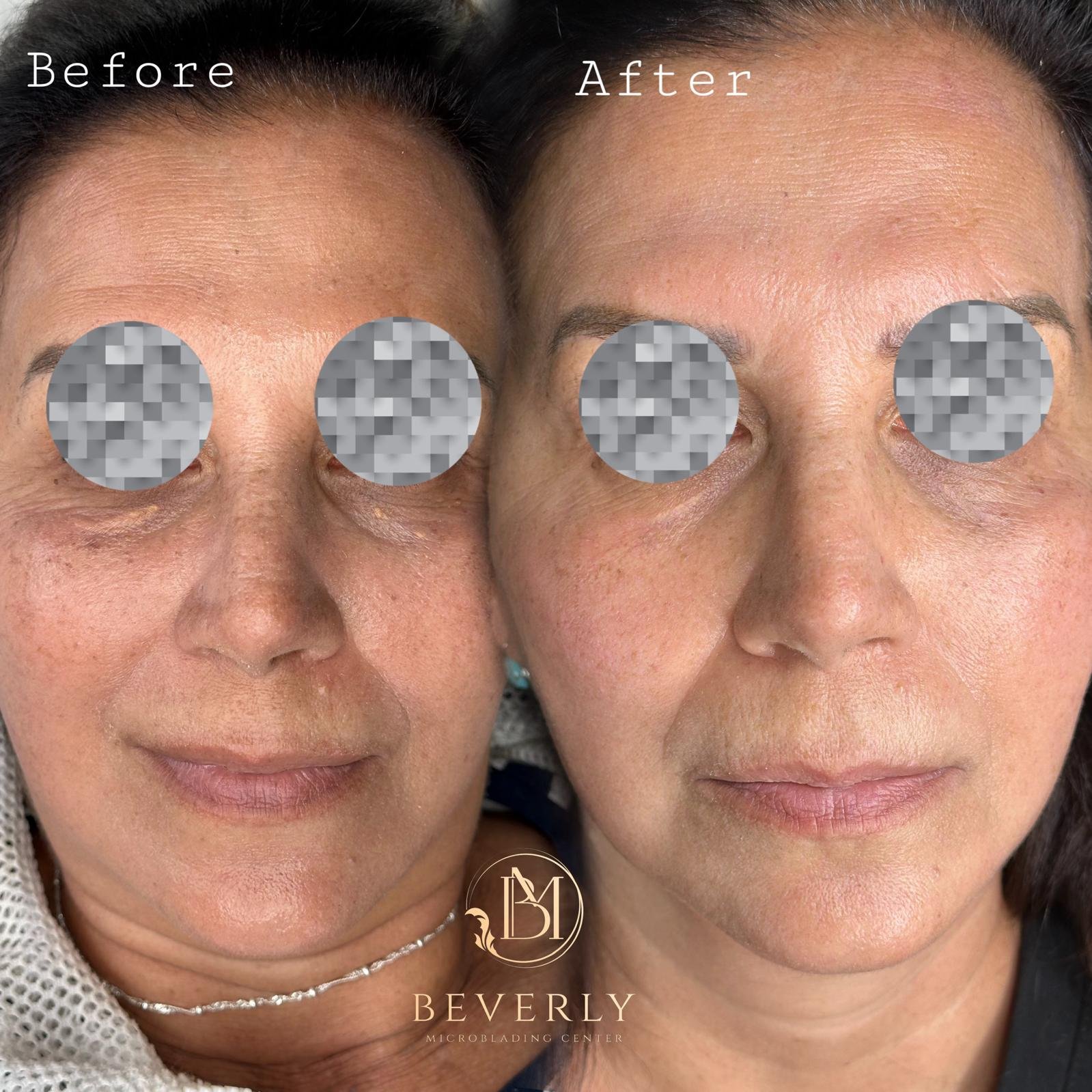
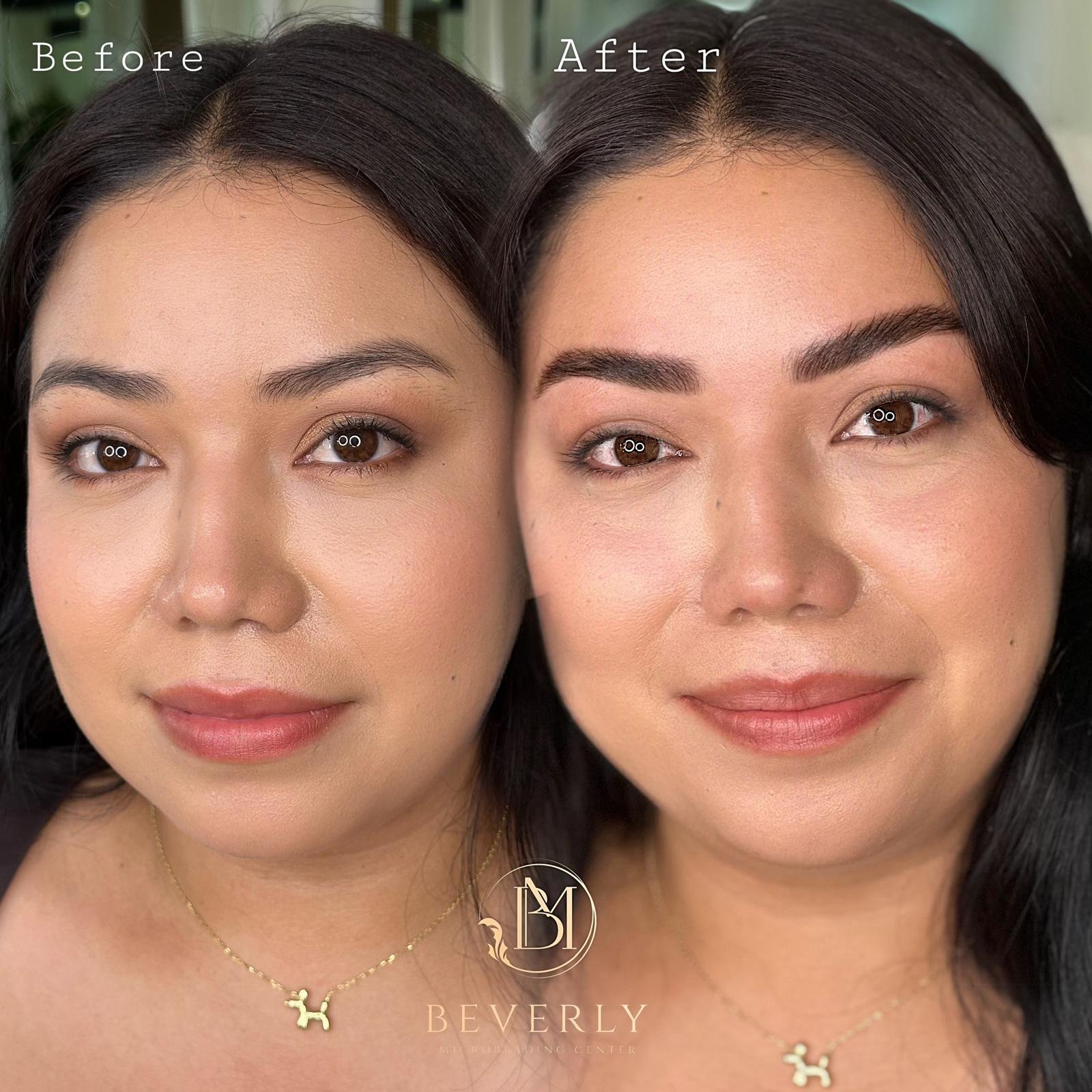
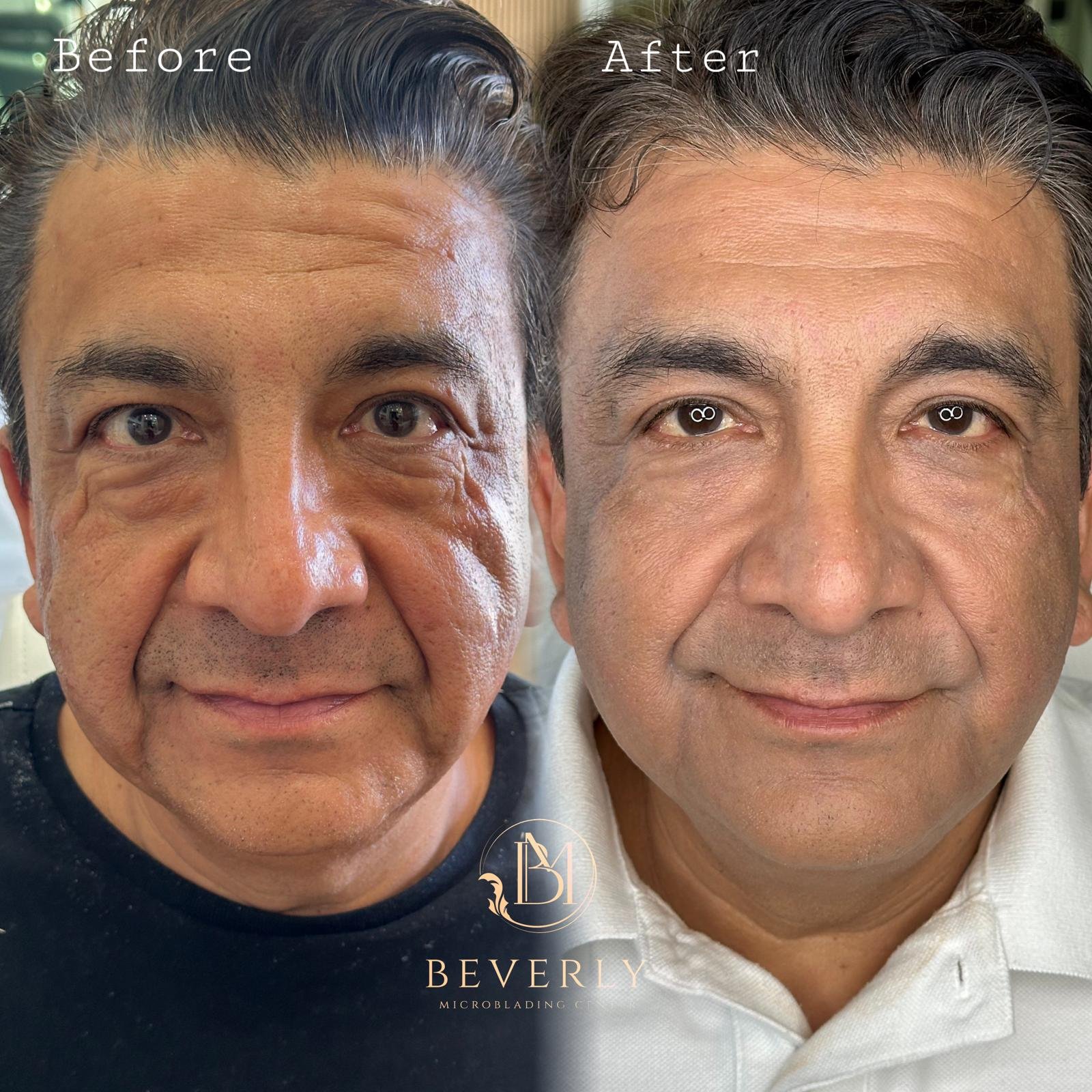
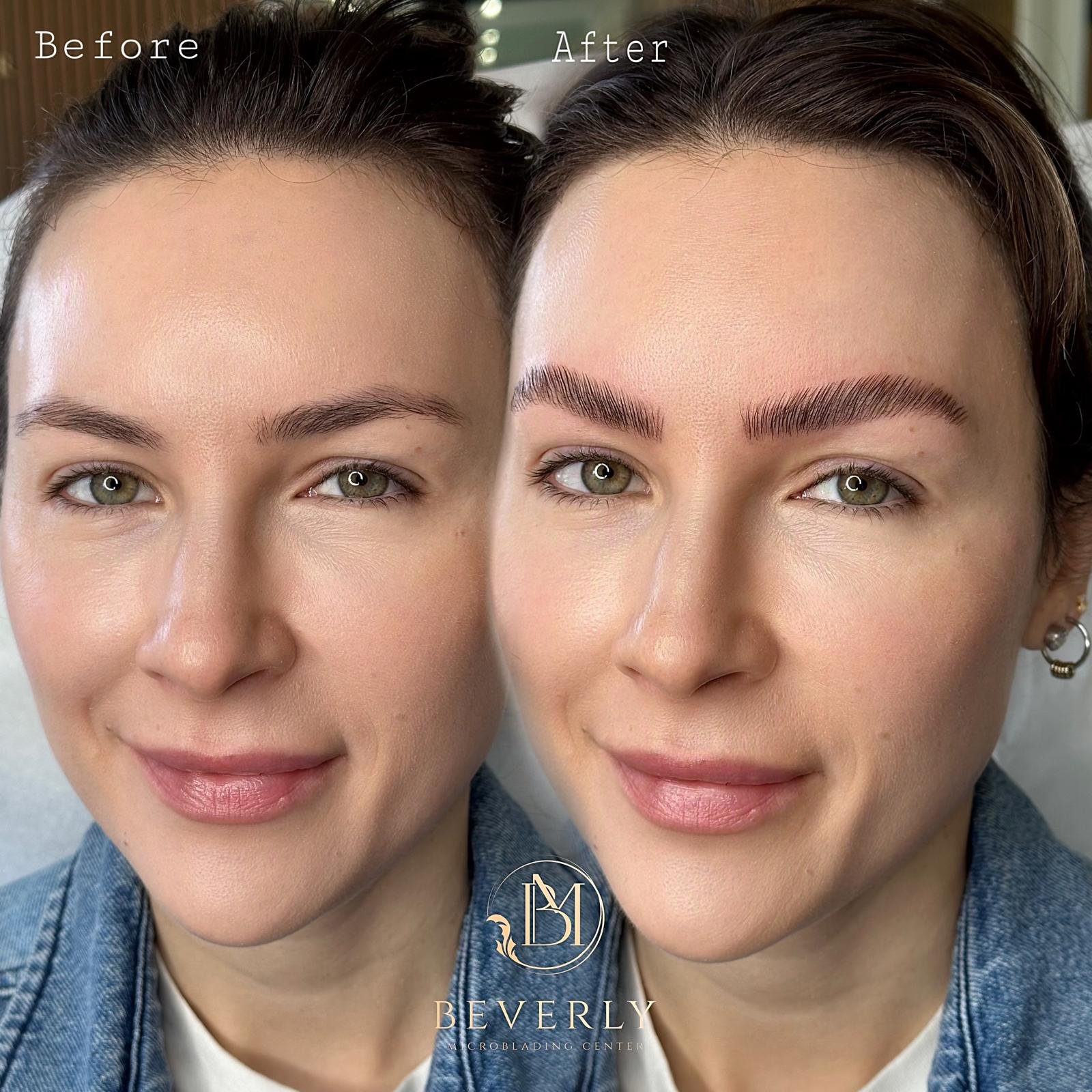
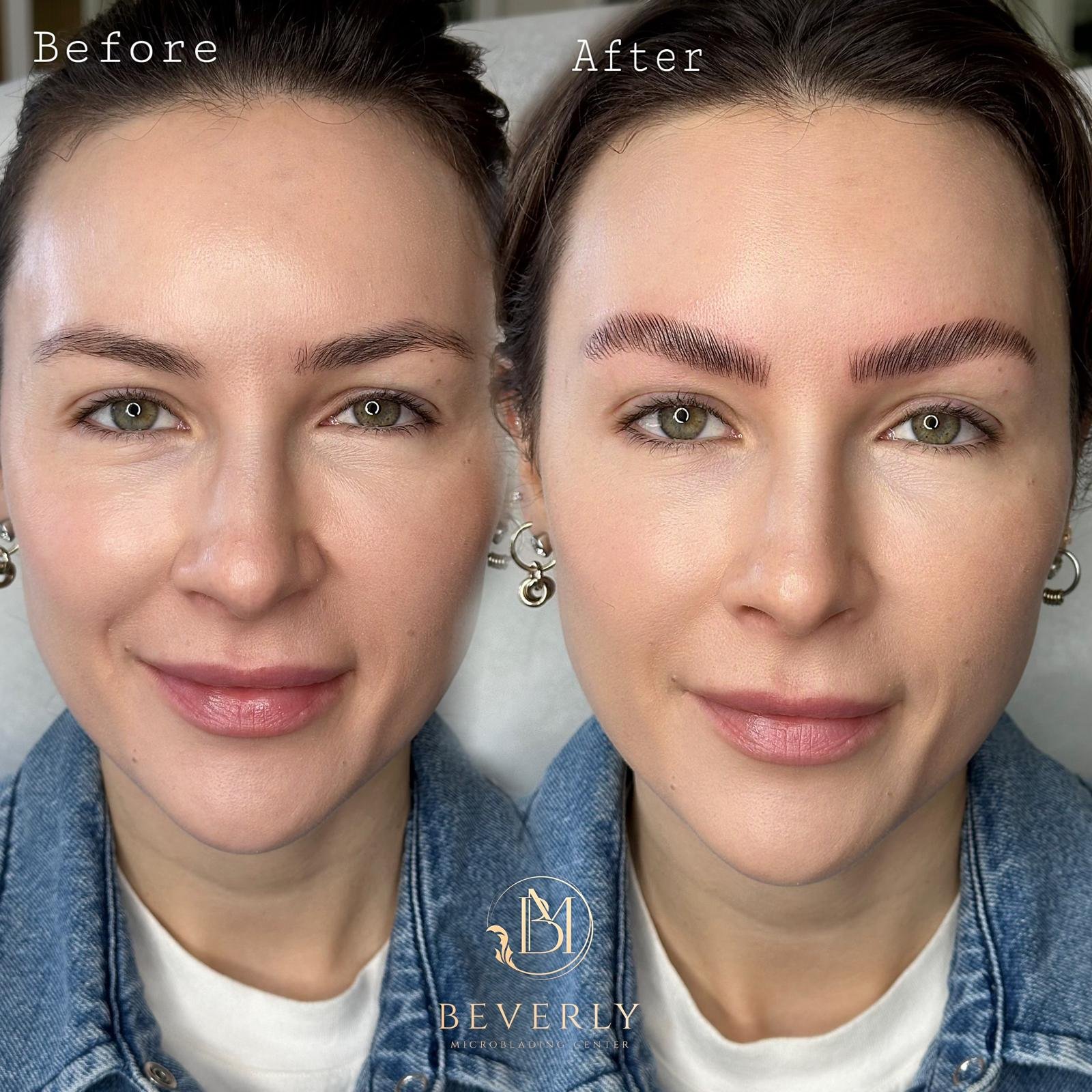
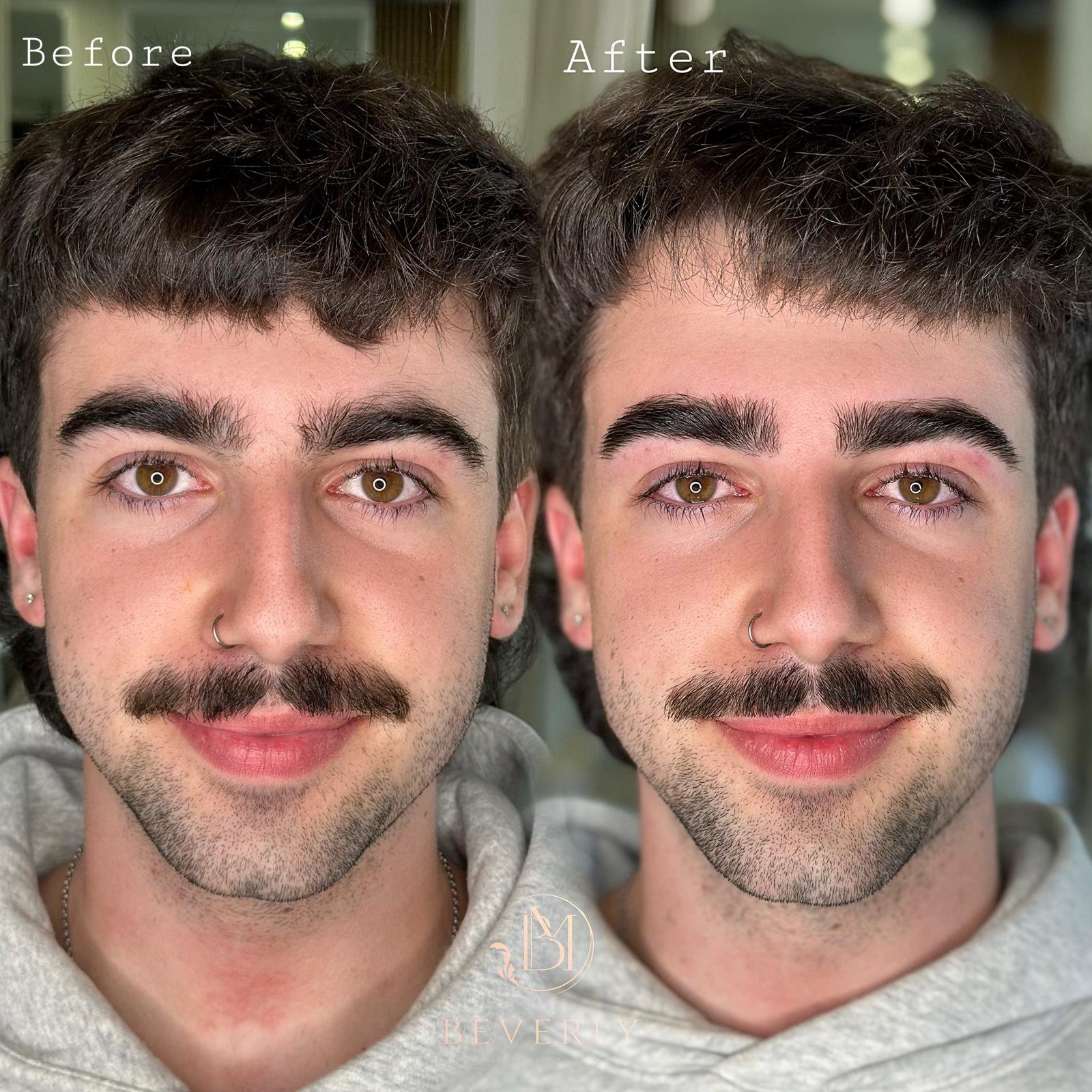
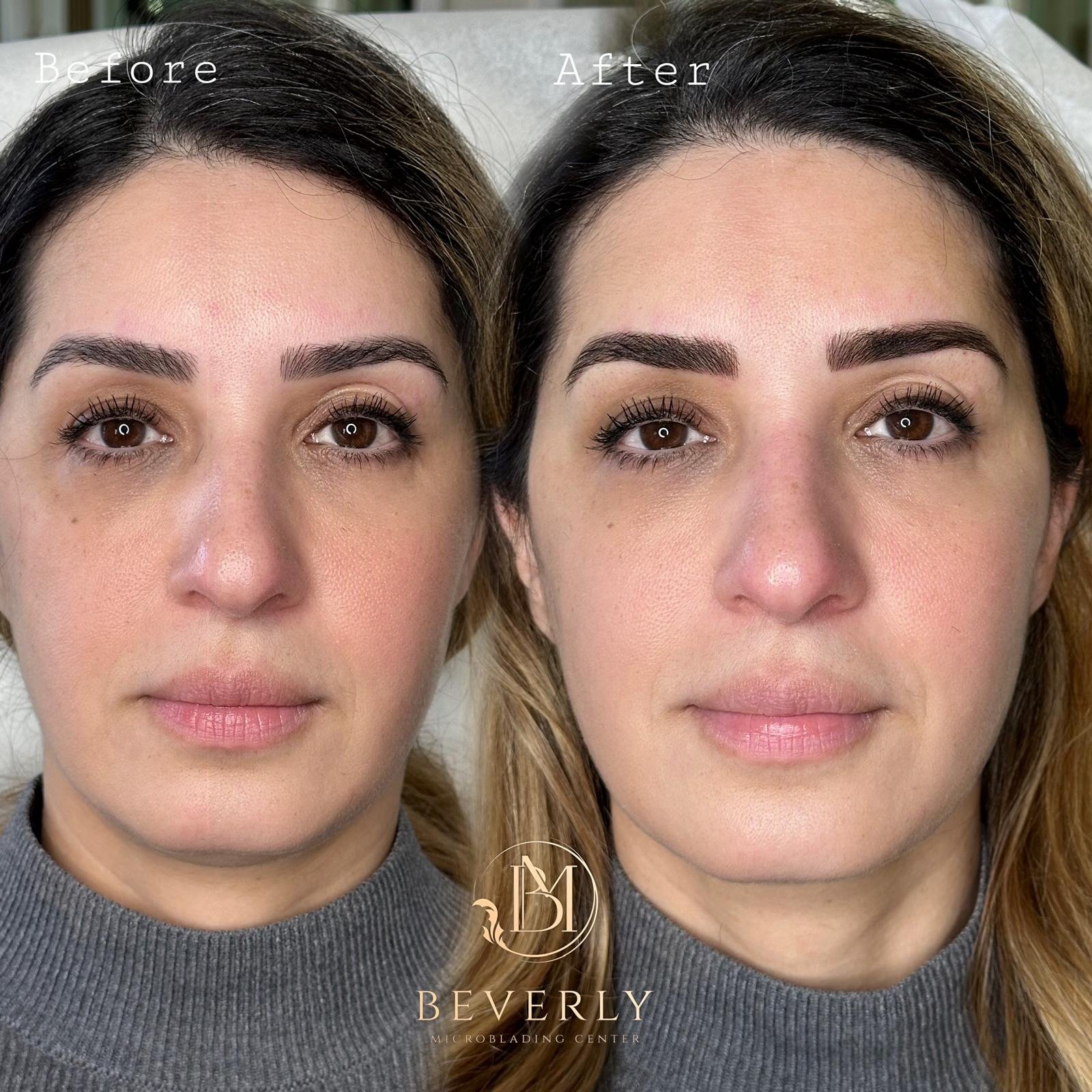
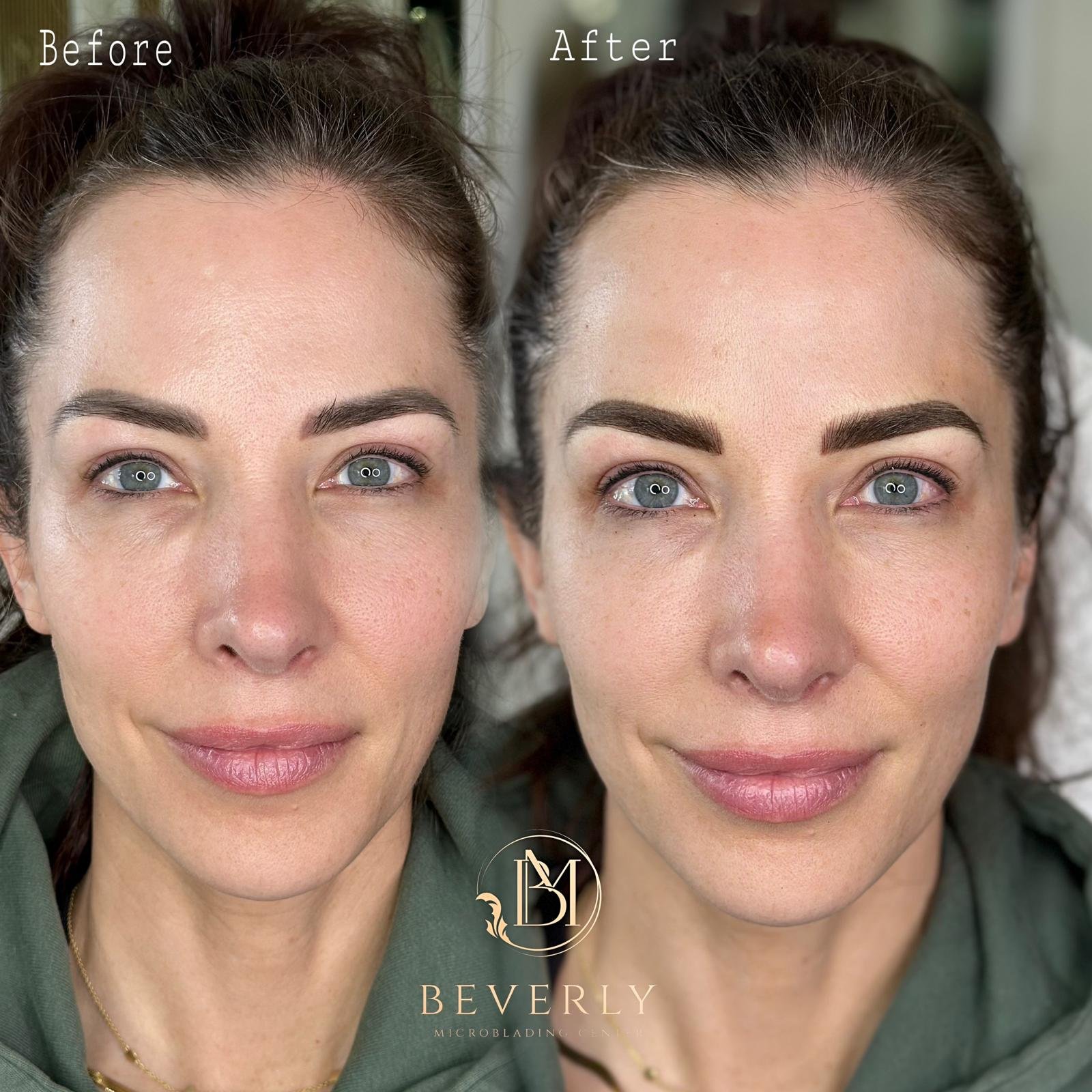
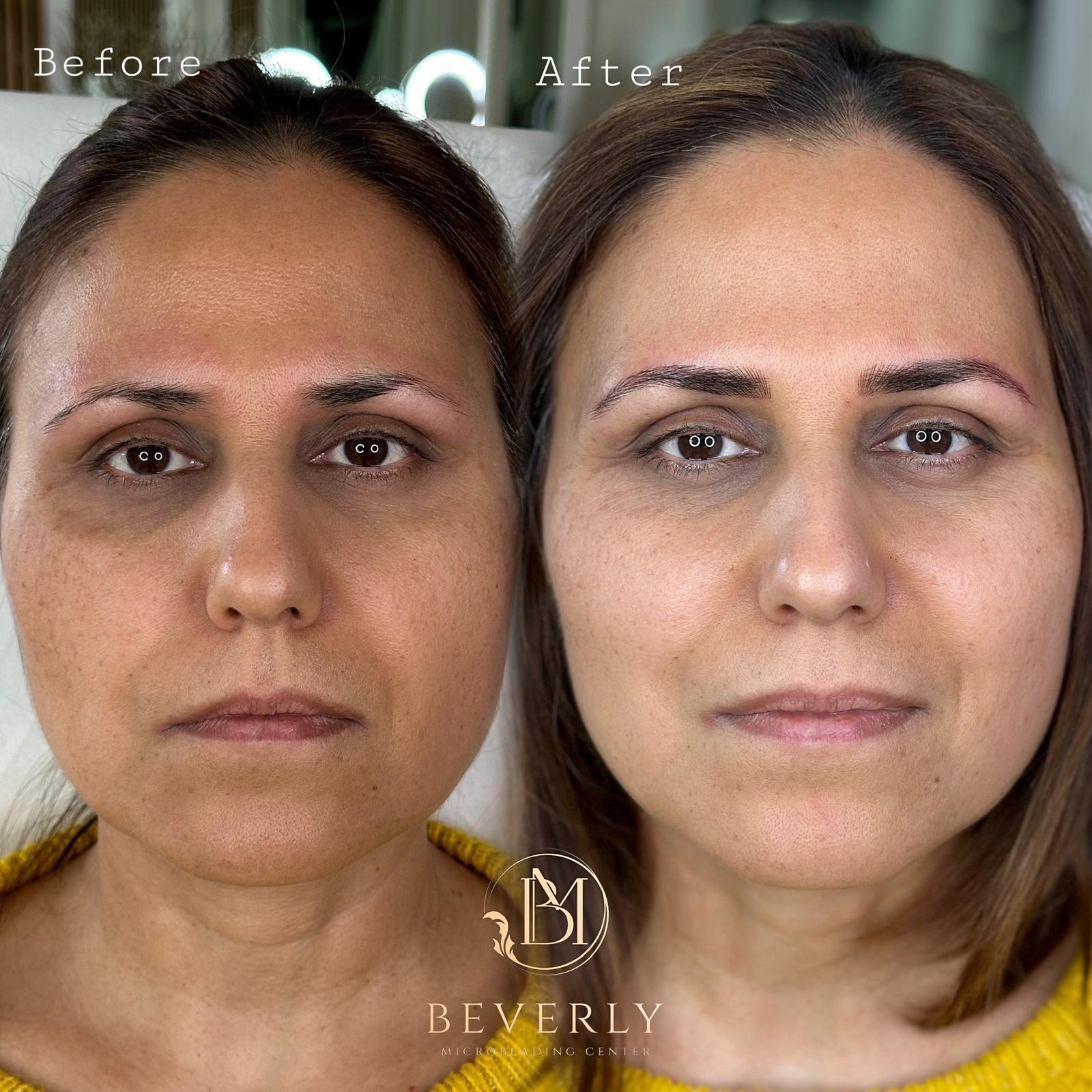
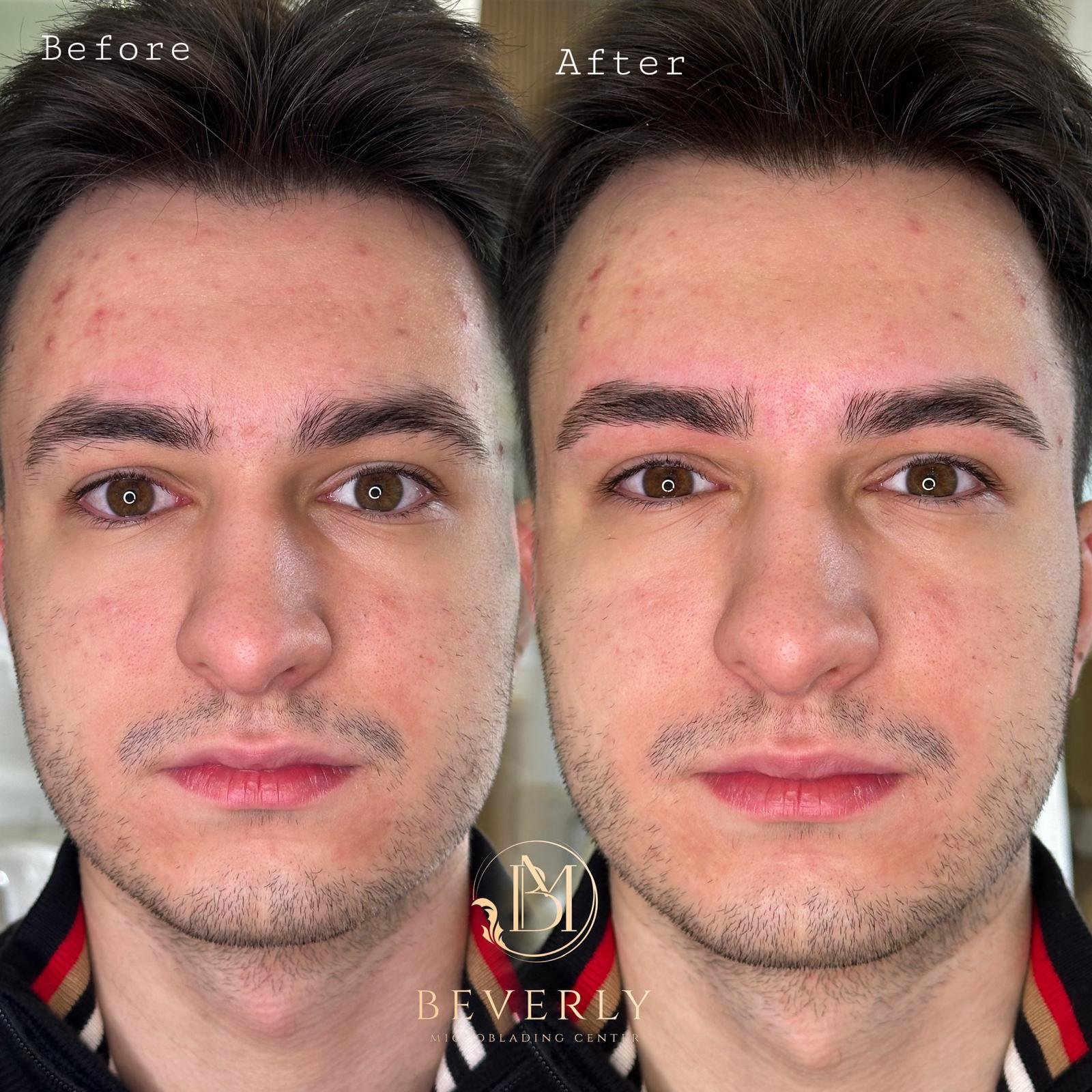
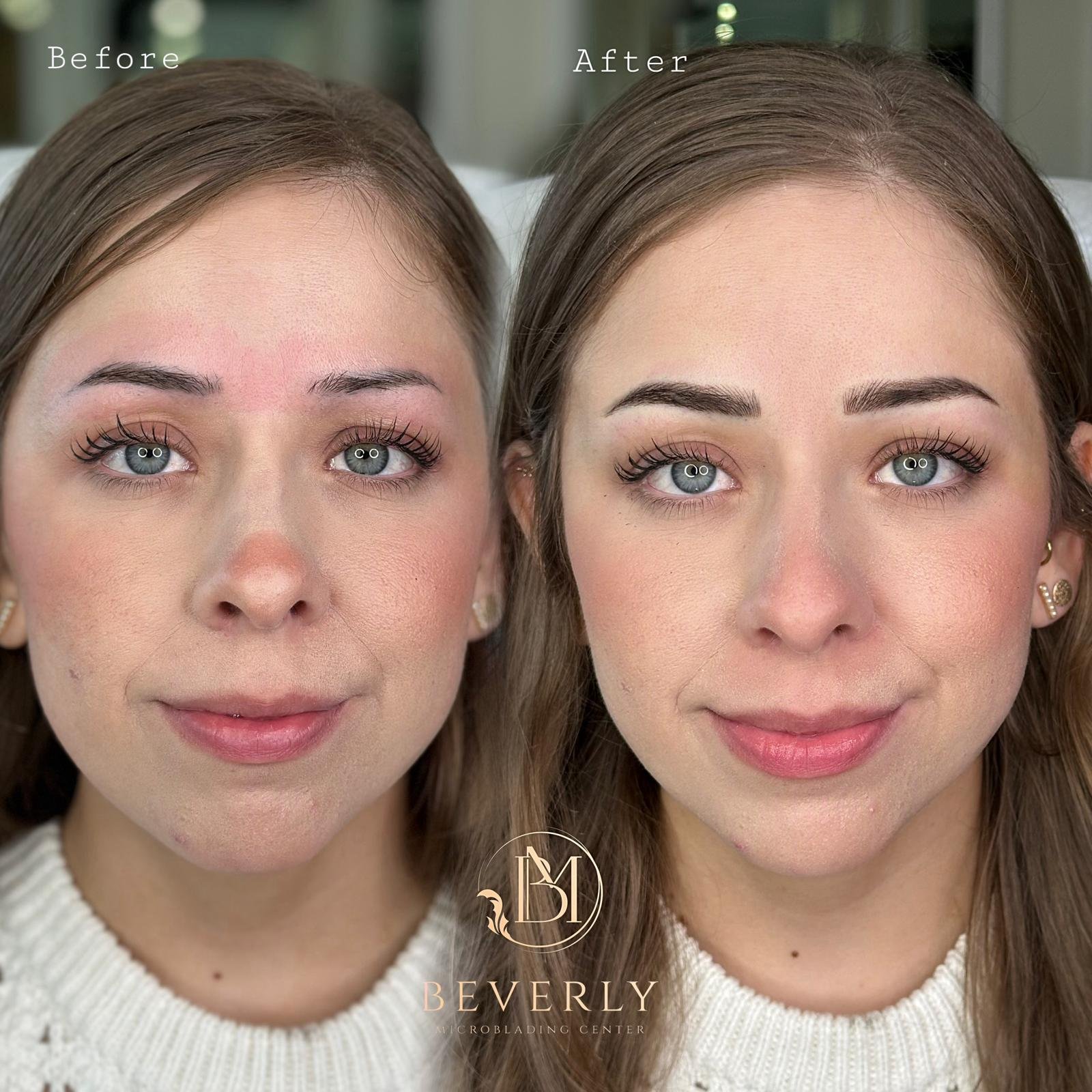
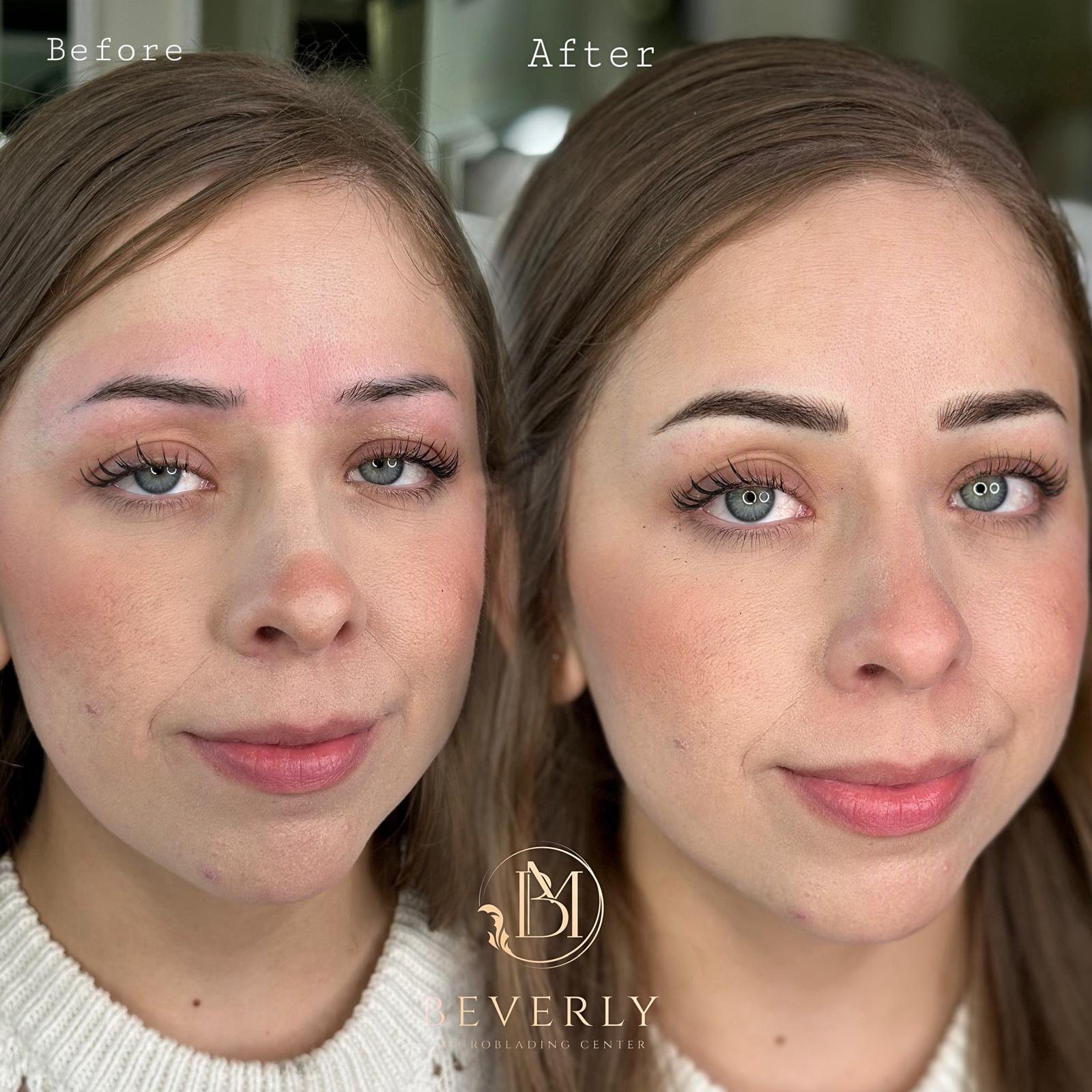
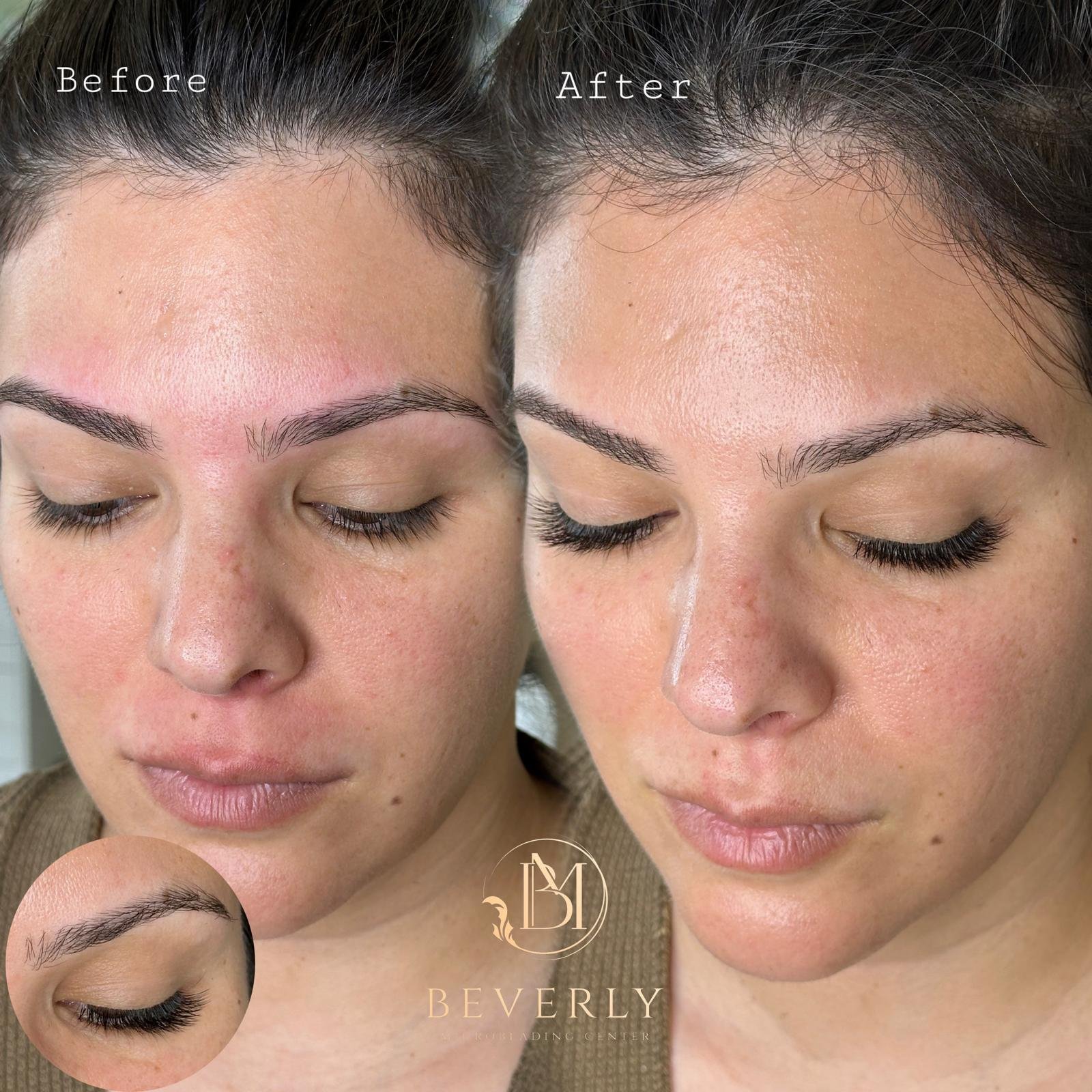
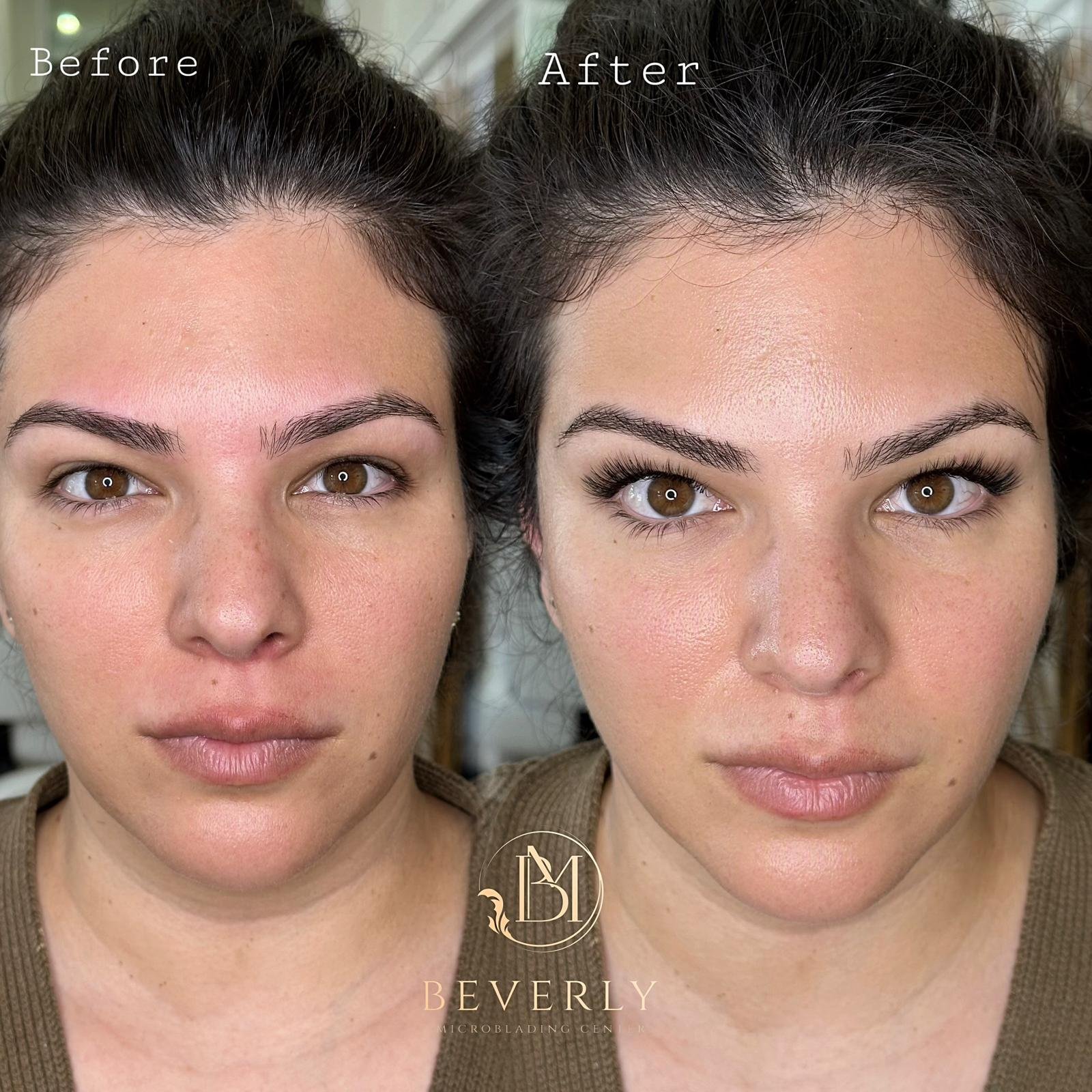
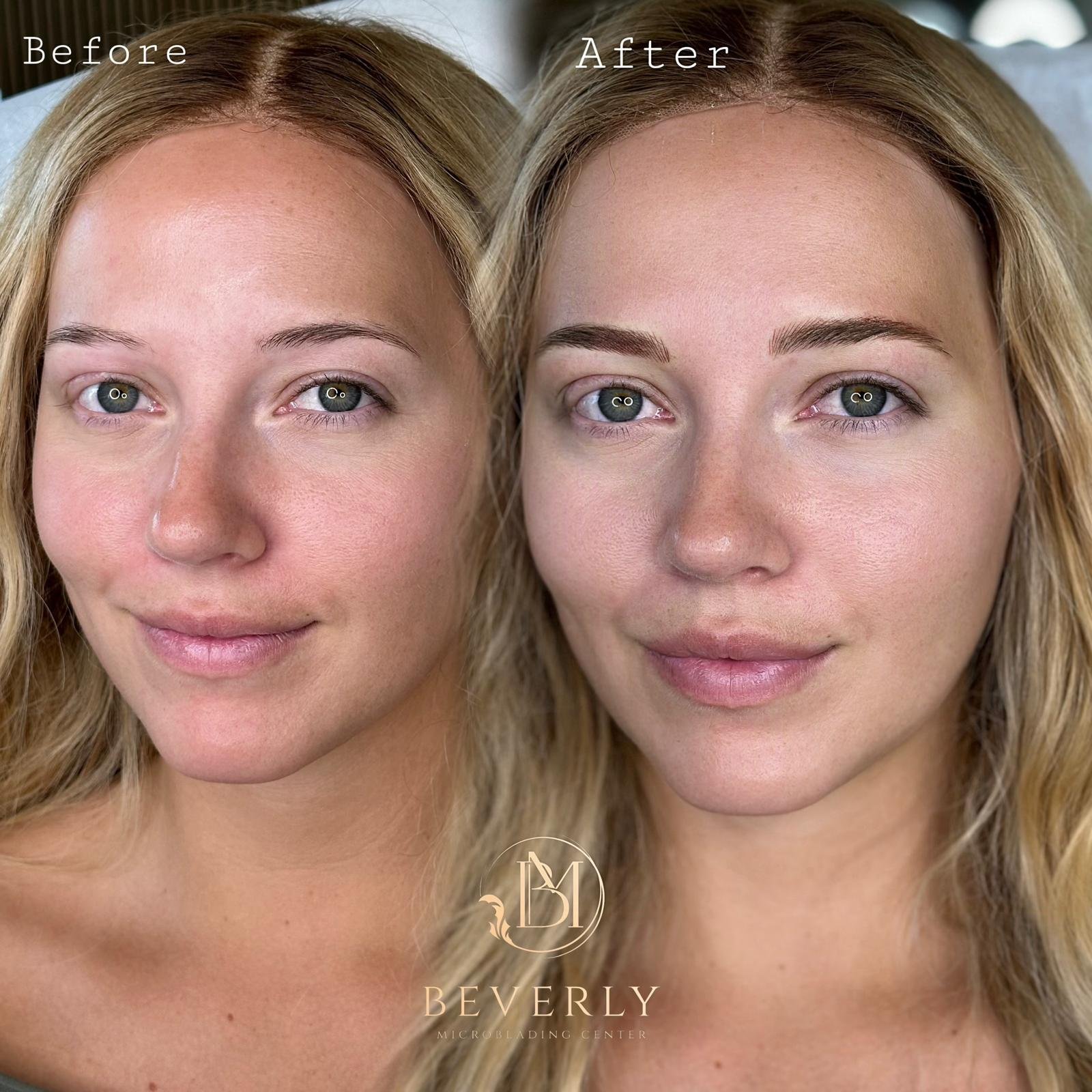
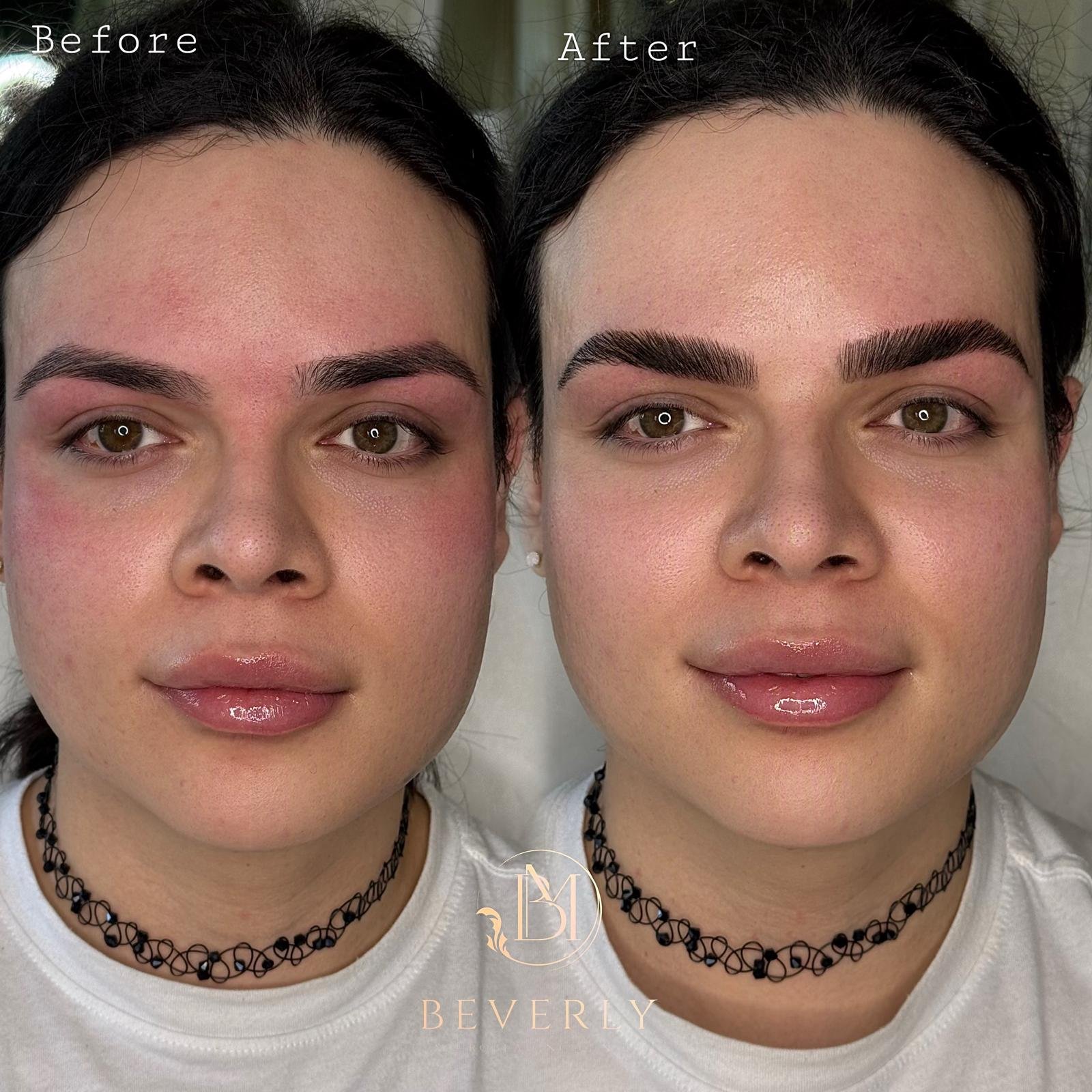
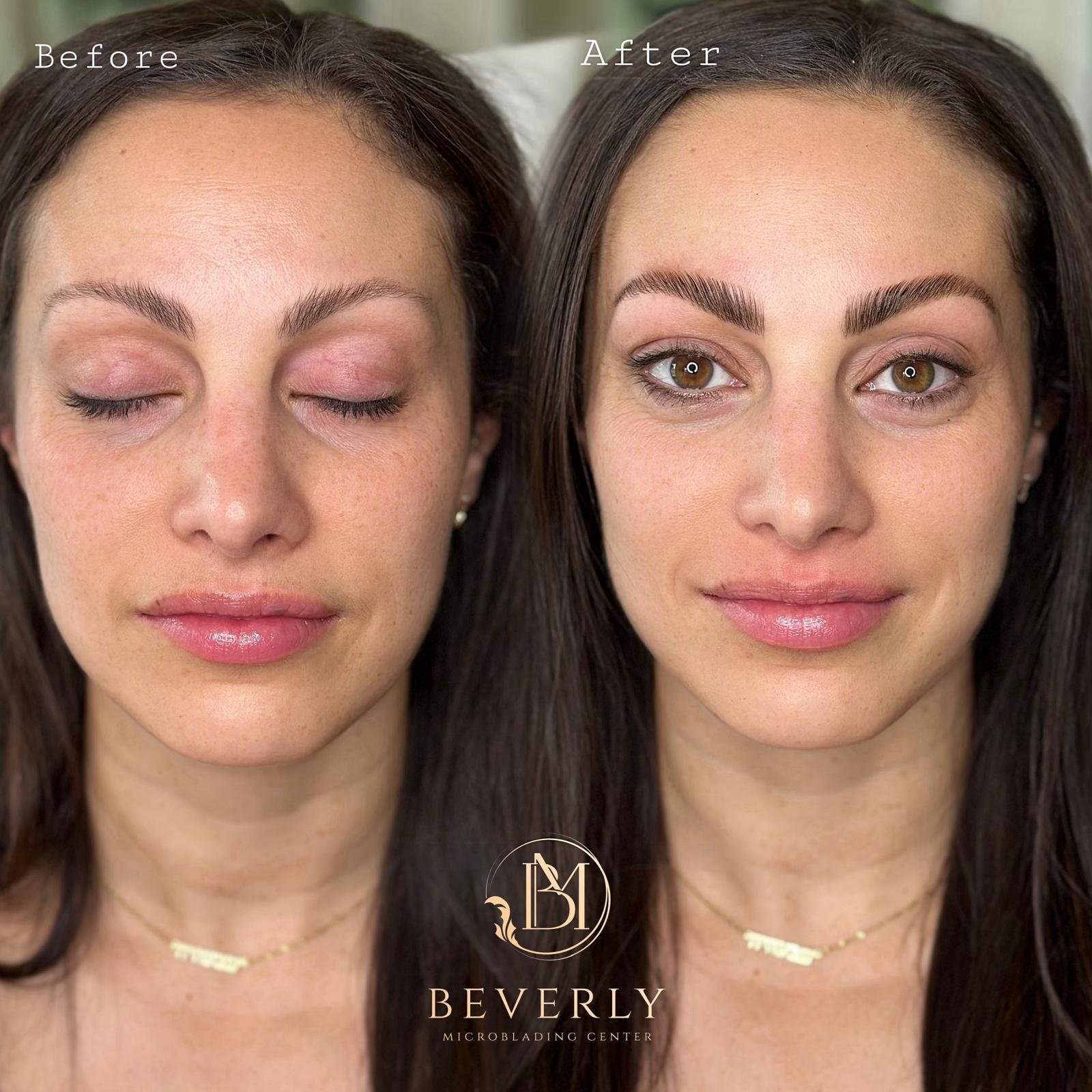
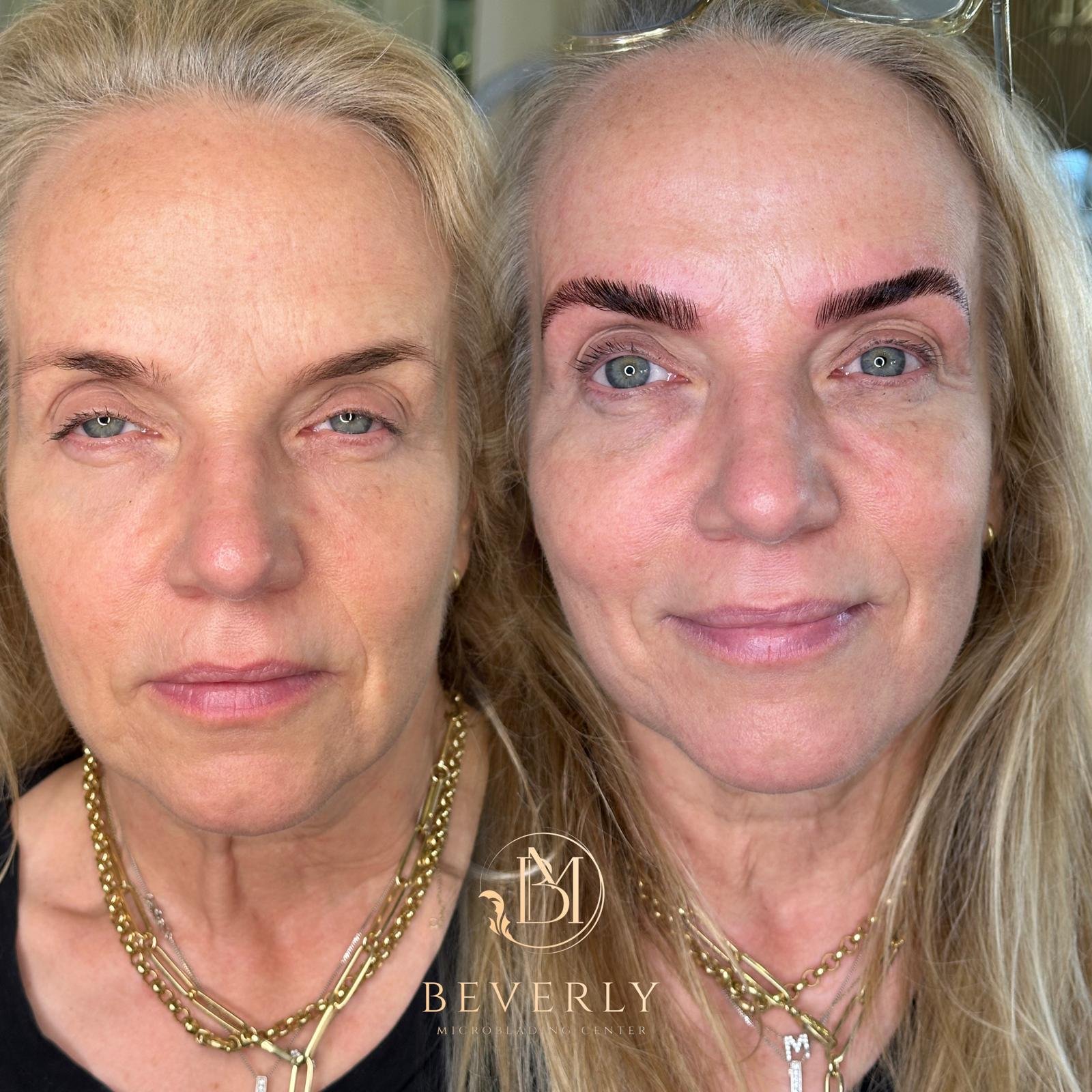
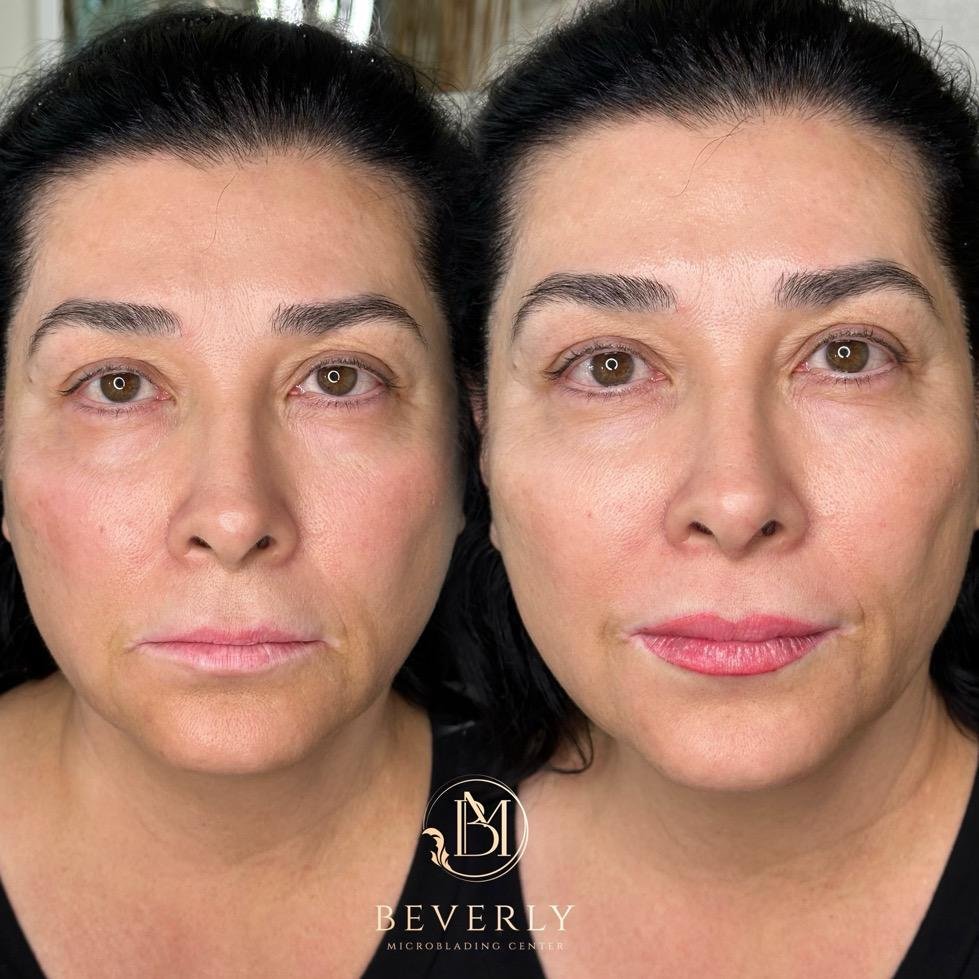
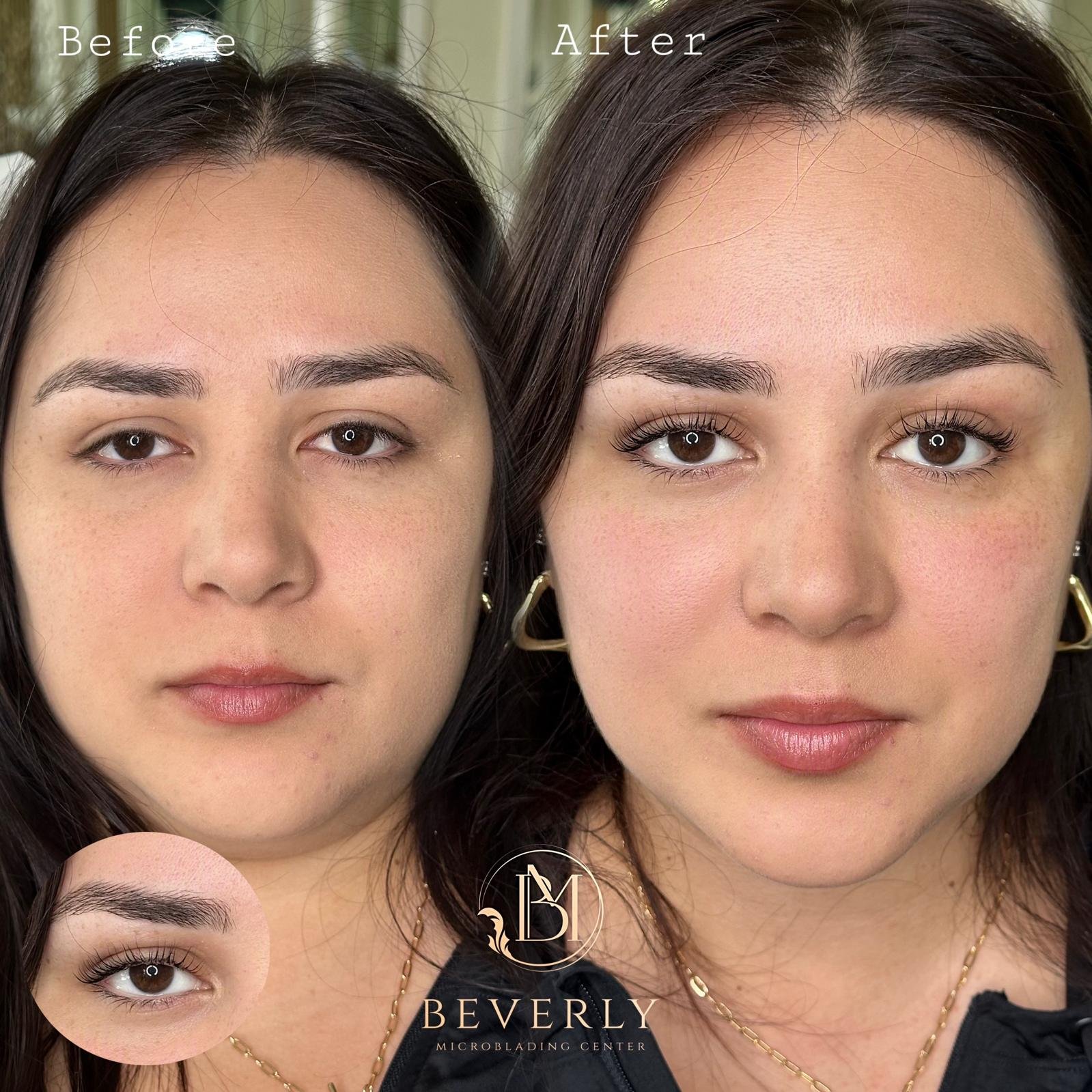
Standardized photographs may be taken to document the starting condition and support an accurate fibroblasting before and after comparison.
The provider identifies the treatment boundaries and explains what level of improvement may be realistic.
Device and Risk Review
Before proceeding, you should be told:
- The name of the device
- Its intended use
- Why it is being recommended
- Potential alternatives
- Likely recovery
- Possible complications
- Expected total cost
- Who will perform the procedure
Skin Preparation
The treatment area is cleansed according to clinical protocol. Eye protection or other safeguards may be required depending on the area and device.
Comfort Management
An appropriate comfort plan may be discussed. The type of topical or local medication used must be determined by a properly licensed medical professional.
Plasma Application
The provider places controlled treatment points or passes according to the device instructions and treatment plan.
The electrical arc creates intentional thermal effects in the selected tissue. FDA device documentation describes plasma pen technology as producing controlled skin damage through a radiofrequency-generated electrical arc.
Immediate Assessment
The provider checks the treatment area for the expected tissue response, excessive injury, bleeding, swelling, or other concerns.
Written Aftercare
Who Should Avoid Plasma Fibroblast?
Plasma treatment should be postponed or avoided when the provider determines that the risk of poor healing, infection, scarring, pigment change, or another complication is unacceptable.
A medical review is especially important if you have:
- Active infection in the treatment area
- Open wounds or broken skin
- Active cold sores
- Significant sunburn
- Eczema, dermatitis, or psoriasis in the treatment area
- Inflamed acne or cystic lesions
- Uncontrolled diabetes
- Poor wound healing
- Immunosuppression
- A bleeding disorder
- Anticoagulant or antiplatelet medication use
- A history of serious pigment changes after injury
- A history of problematic scarring
- Recent laser, peel, surgery, or resurfacing
- Unhealed permanent makeup
- Recent injectable treatment near the area
- An undiagnosed skin lesion
- A medical condition affected by electrosurgery
- Inability to avoid sun exposure during recovery
Plasma Fibroblast Healing Process
Days 1–3: Redness and Swelling
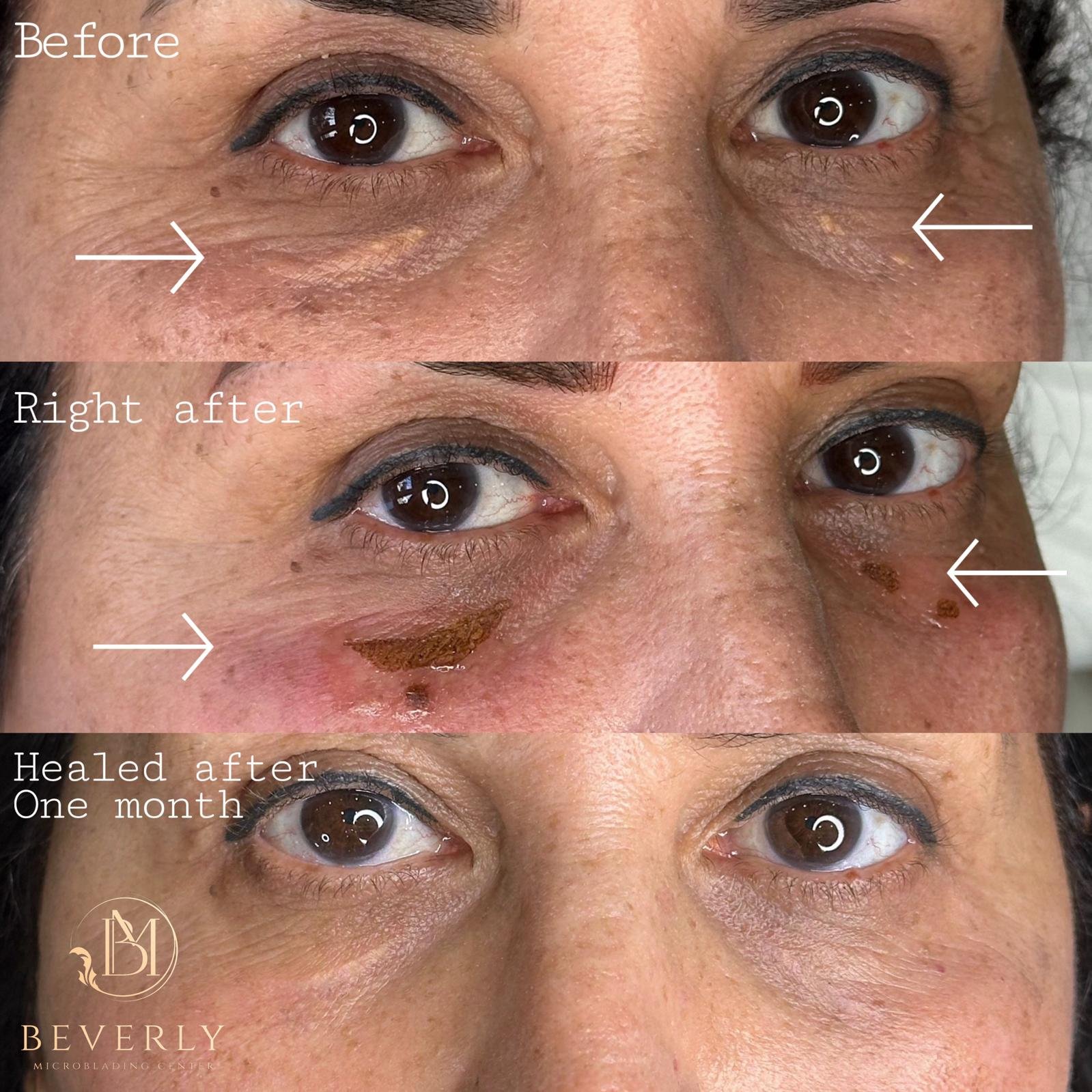
Days 3–10: Crusting and Dryness
Weeks 2–4: Surface Recovery
Weeks 4–8: Continued Settling
Following Months: Final Evaluation
Plasma Fibroblast Treatment Aftercare
Follow the written instructions provided by your medical provider, as aftercare may differ by device and treatment area.
General guidance may include:
- Keep the area clean as directed
- Wash your hands before touching nearby skin
- Use only approved aftercare products
- Do not rub, scratch, or pick
- Allow crusts to separate naturally
- Avoid applying makeup until approved
- Avoid swimming
- Avoid saunas and steam rooms
- Avoid intense exercise and excessive sweating
- Avoid direct sun exposure
- Do not use tanning beds
- Avoid retinoids and exfoliating acids
- Avoid facial scrubs
- Avoid waxing or threading healing skin
- Do not apply unfamiliar home remedies
- Do not perform another cosmetic treatment over the area
- Use sun protection once the provider confirms it is appropriate
- Attend the recommended follow-up
Plasma Fibroblast Touch-Ups
A follow-up appointment allows the medical provider to assess healing, pigment response, texture, and the degree of improvement before recommending additional plasma treatment.
What to Expect
- Initial Touch-Up: Your initial follow-up timing will depend on the treatment area and recovery. Contact the provider sooner if healing does not follow the expected pattern.
- Additional Treatment: Some small clinical studies of upper-eyelid plasma exeresis used three sessions spaced approximately one month apart. That research schedule should not be treated as a universal recommendation. Your provider may advise a longer interval, fewer sessions, a different procedure, or no additional treatment.
- Maintenance Treatments: Maintenance is not automatically required on a fixed schedule. Natural aging, sun exposure, skin condition, treatment strength, and the original concern can influence whether a future procedure is appropriate.
- Longevity: There is no single guaranteed duration for a plasma face lift or plasma skin result. Longevity depends on the treated concern, device, number of sessions, healing response, sun exposure, smoking, skincare, aging, and other biological factors.
Los Angeles' Trusted Permanent Makeup Experts
Why Choose Beverly Microblading Center?

Licensed & Certified Professionals

11+ Years of Experience in Microblading

30+ Years of Experience in PMU

Customized Brow Mapping

Premium Quality Pigments

Single-Use Sterile Needles

Complimentary Consultation

Thousands of Happy Clients

Luxury, Clean & Welcoming Studio
Testimonials
Trusted Feedback From Plasma Treatment Clients
— Client, Westwood
— Client, Beverly Hills
— Client, Century City
— Client, Brentwood
— Client, Santa Monica
Everything You Need to Know About Plasma Fibroblast Treatment
Frequently Asked Questions
What Is Plasma Fibroblast?
What Is a Plasma Fibroblast Treatment Used For?
Its appropriate use depends on the specific device’s cleared indication and the treating provider’s medical assessment. Some studies have evaluated plasma exeresis for upper-eyelid laxity and periorbital rejuvenation, but available research is limited and does not support universal claims for every facial concern.
Is a Plasma Face Lift the Same as a Surgical Facelift?
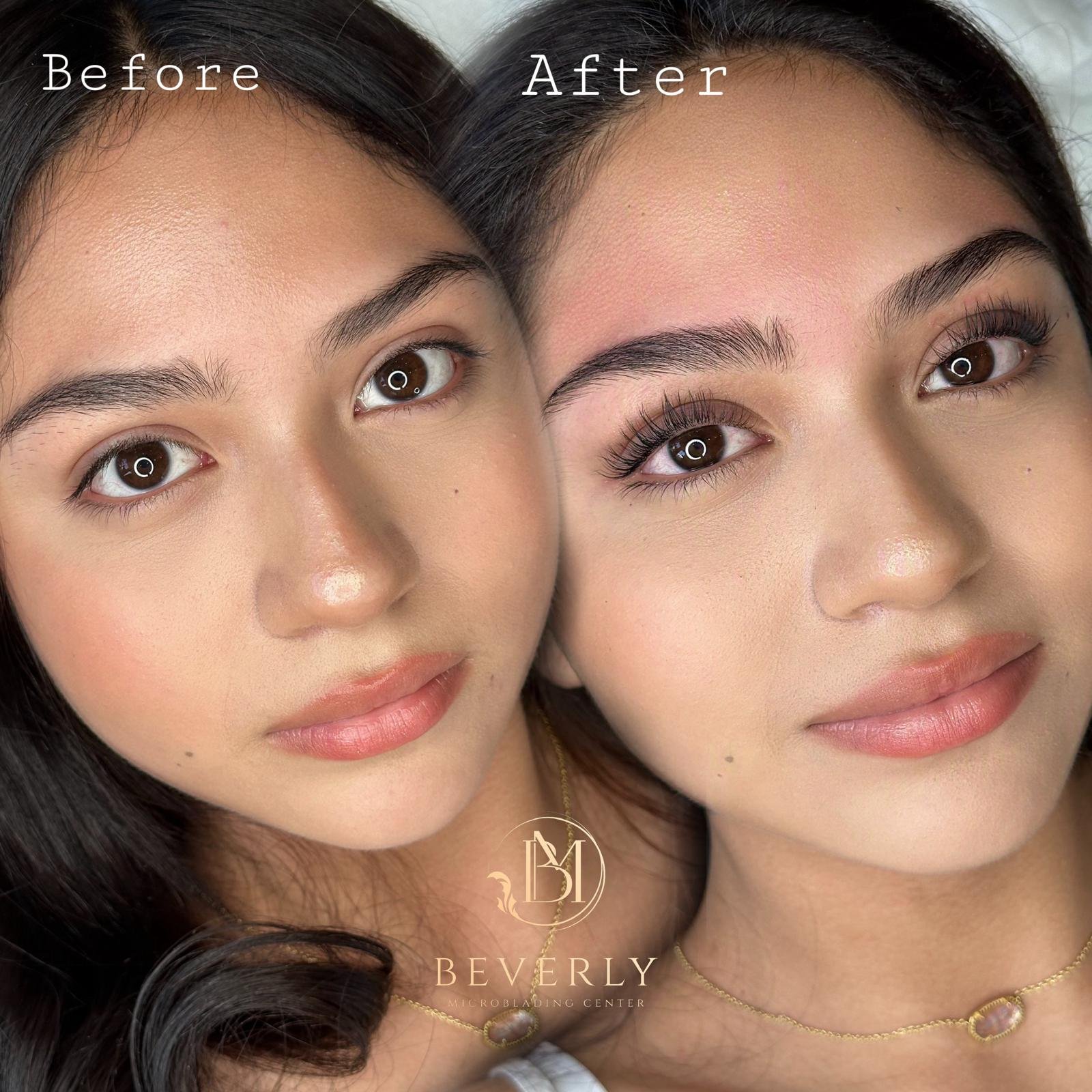
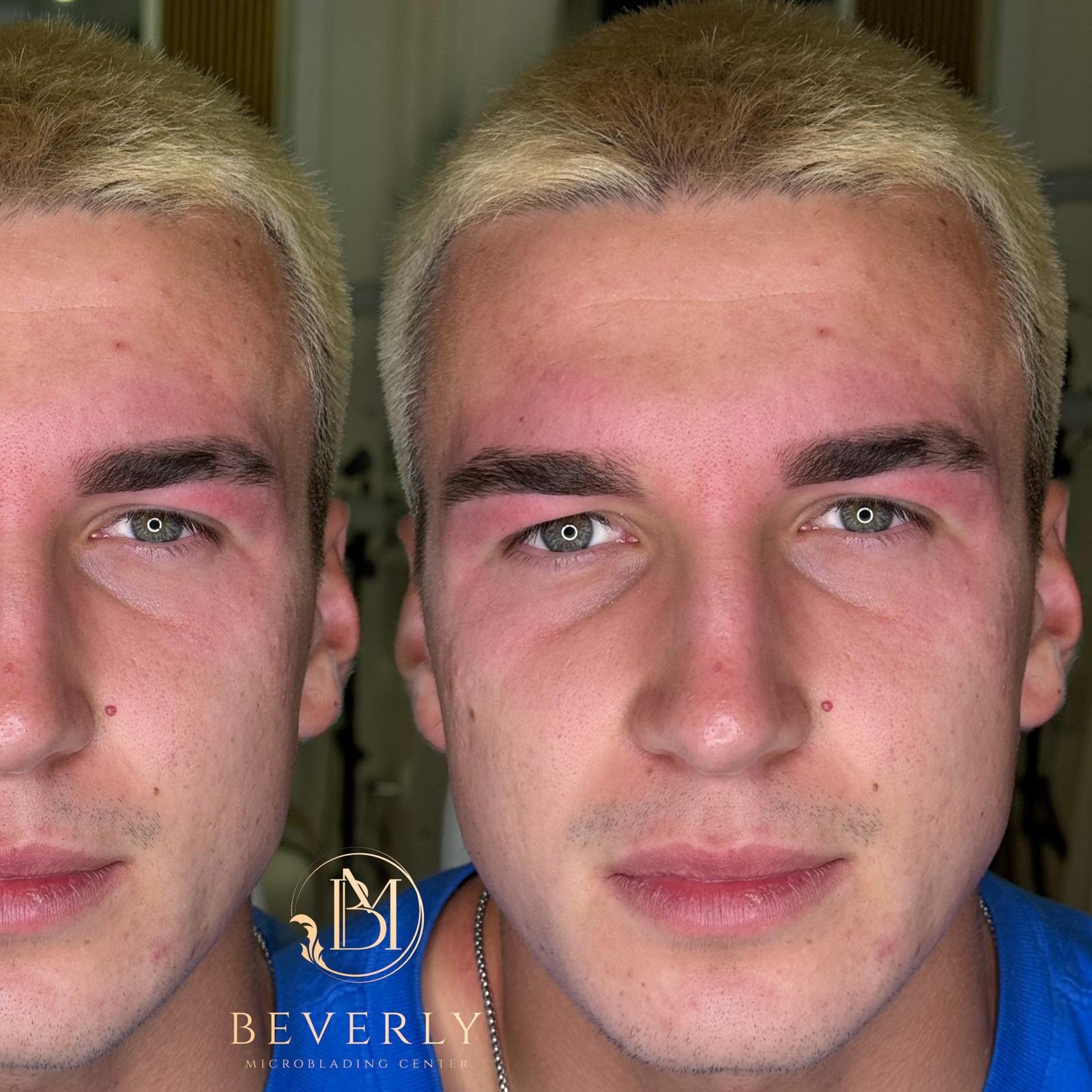
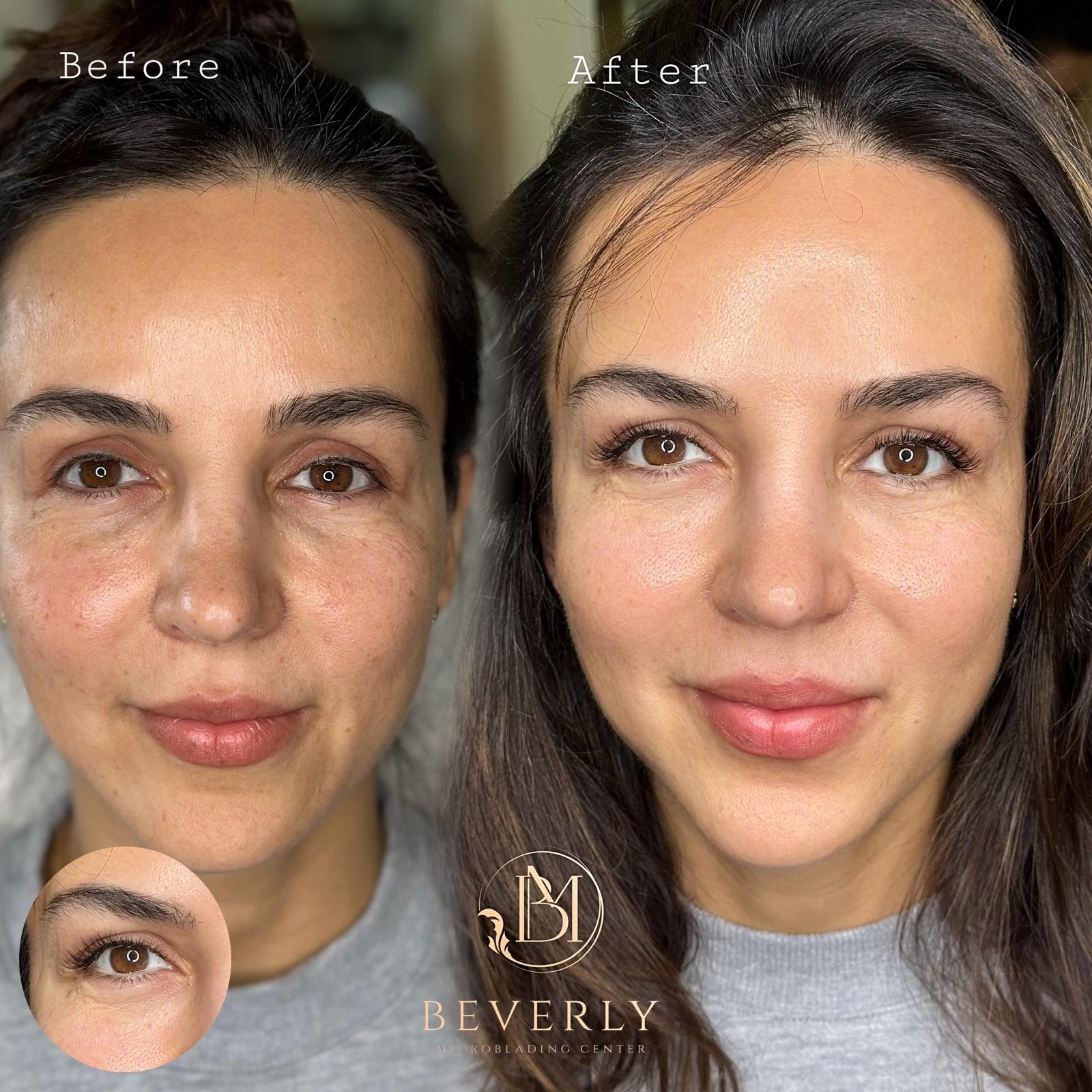
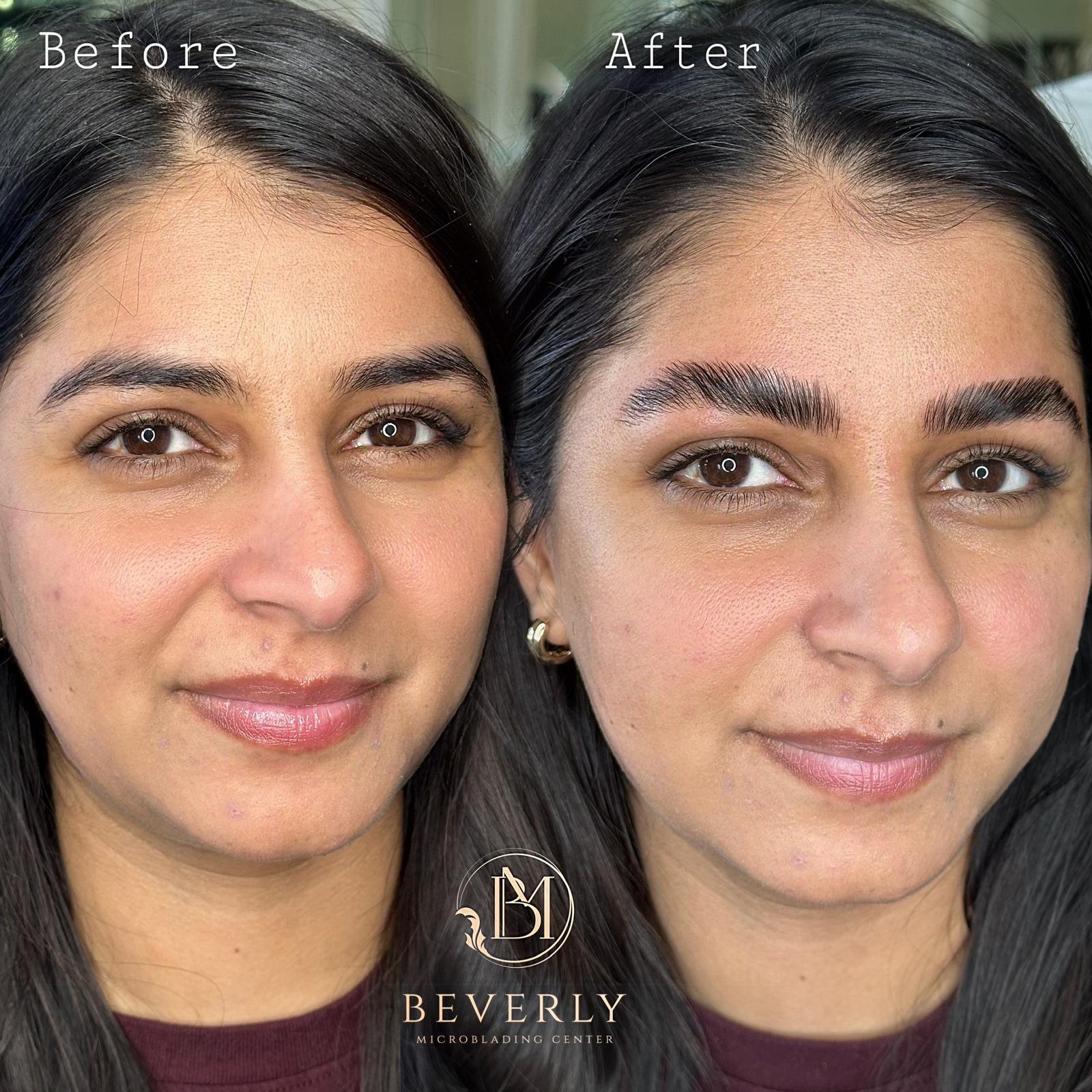
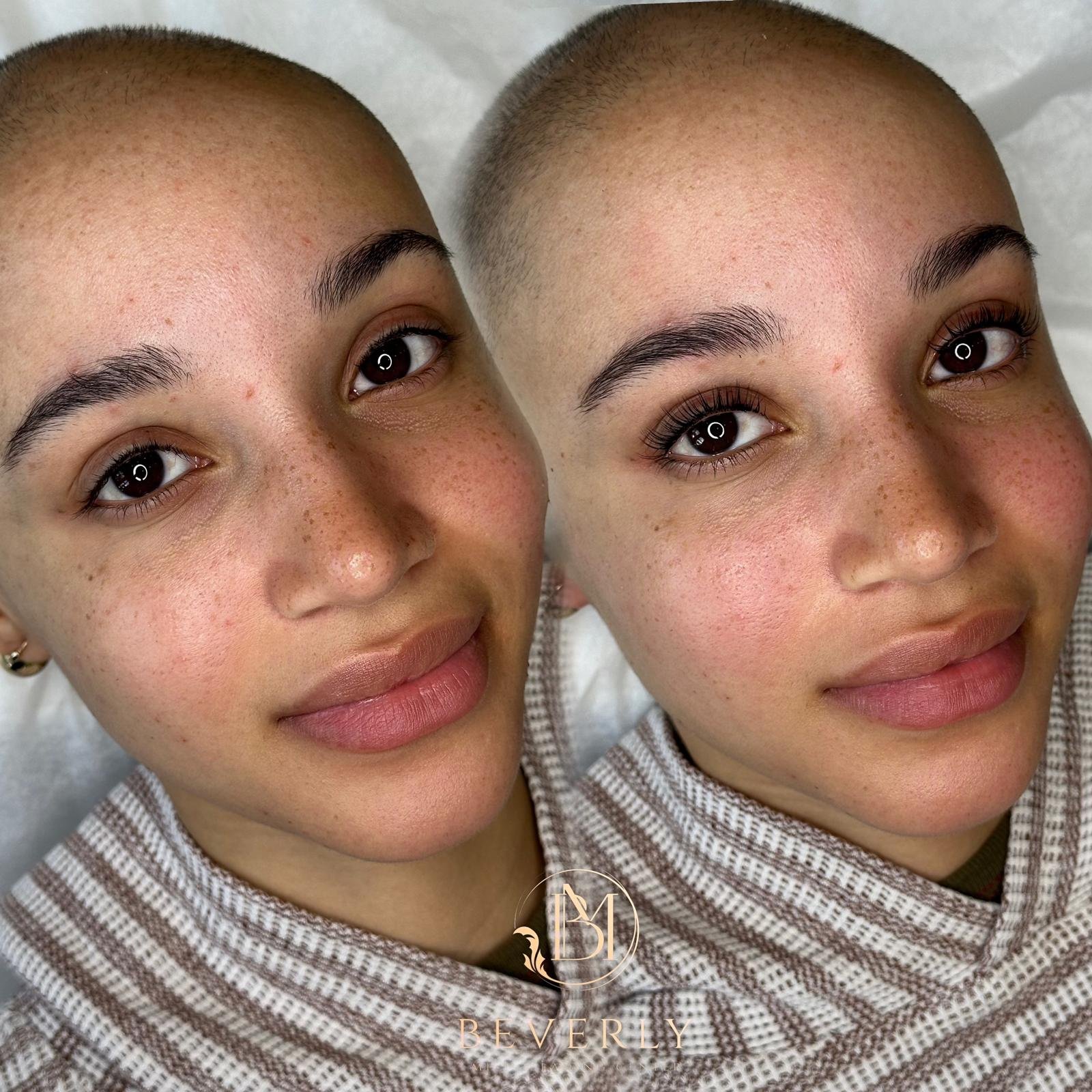
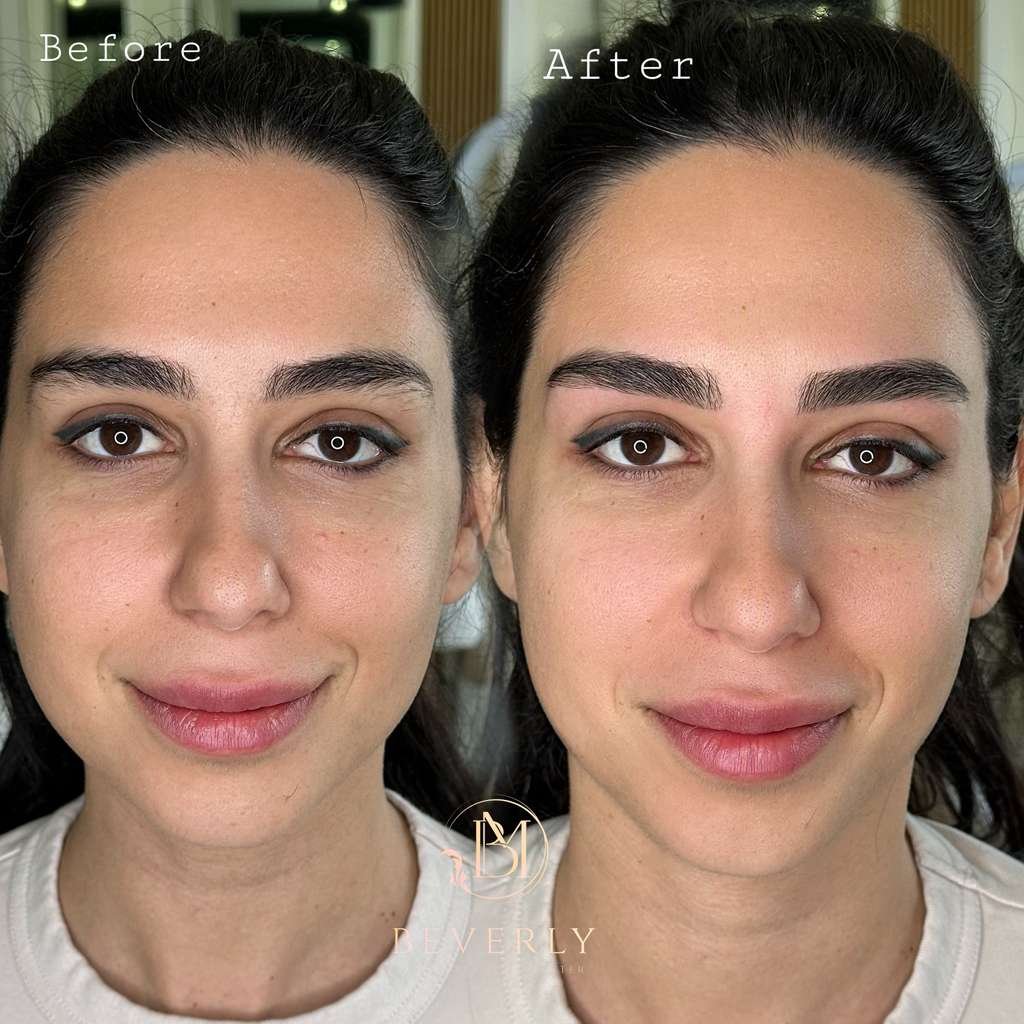
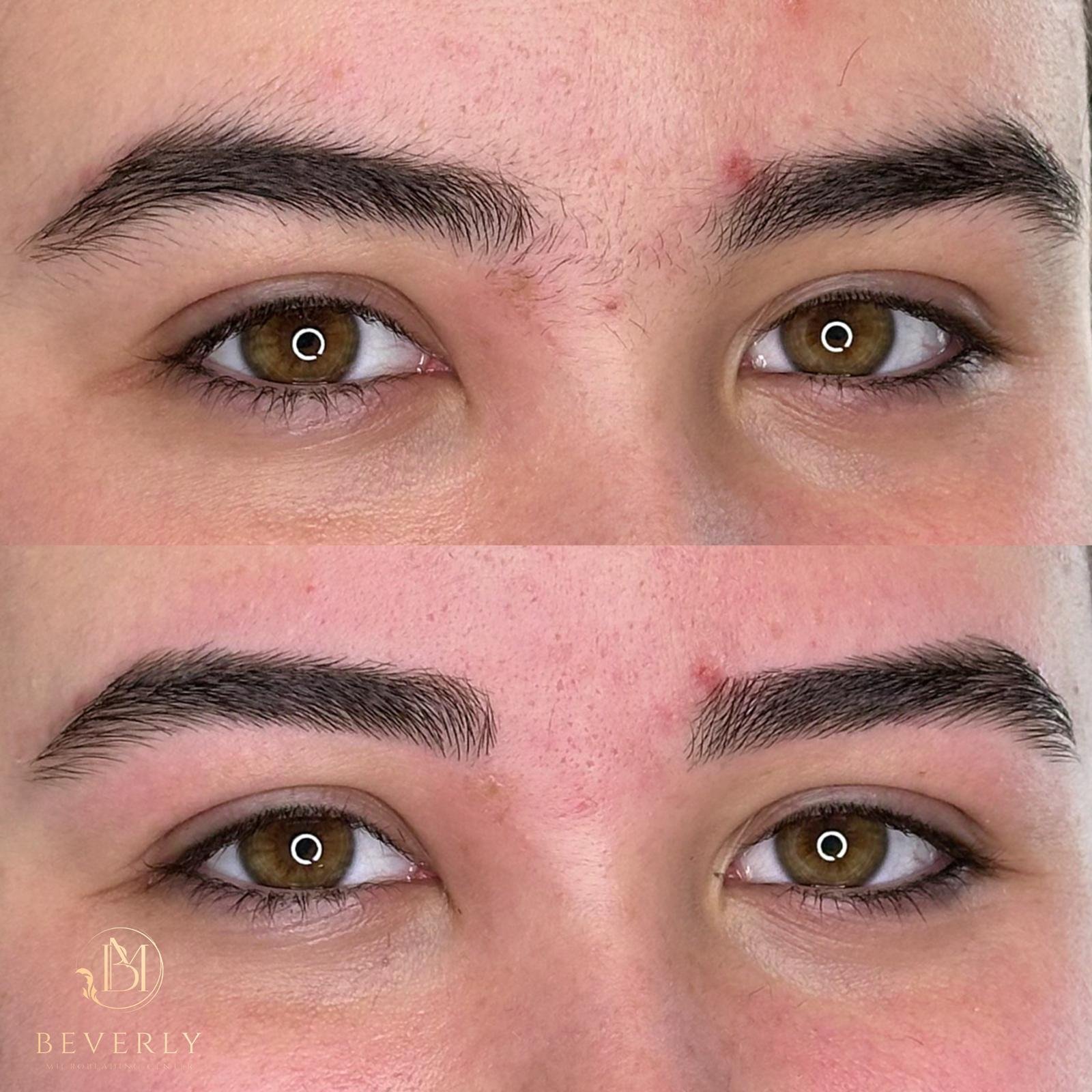
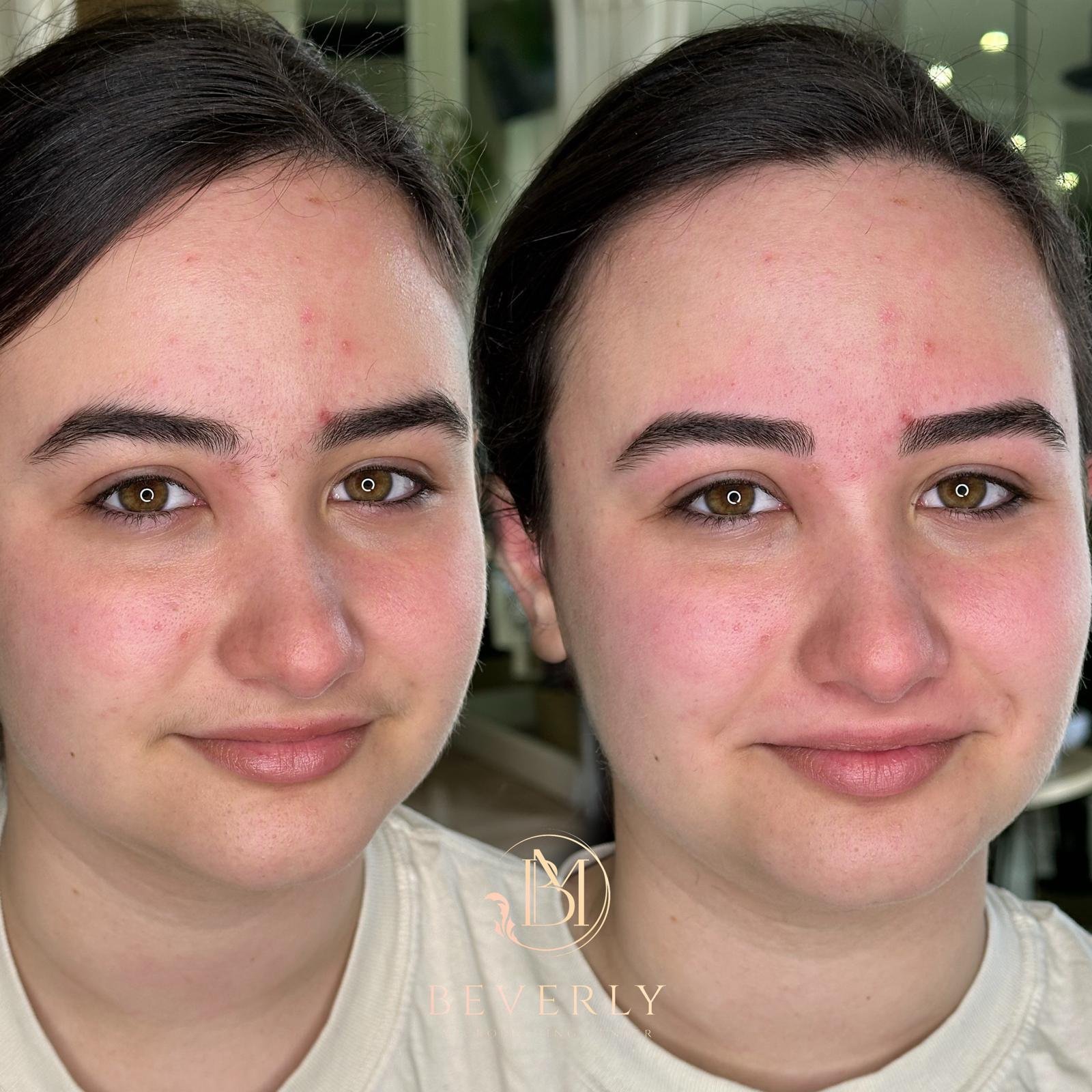
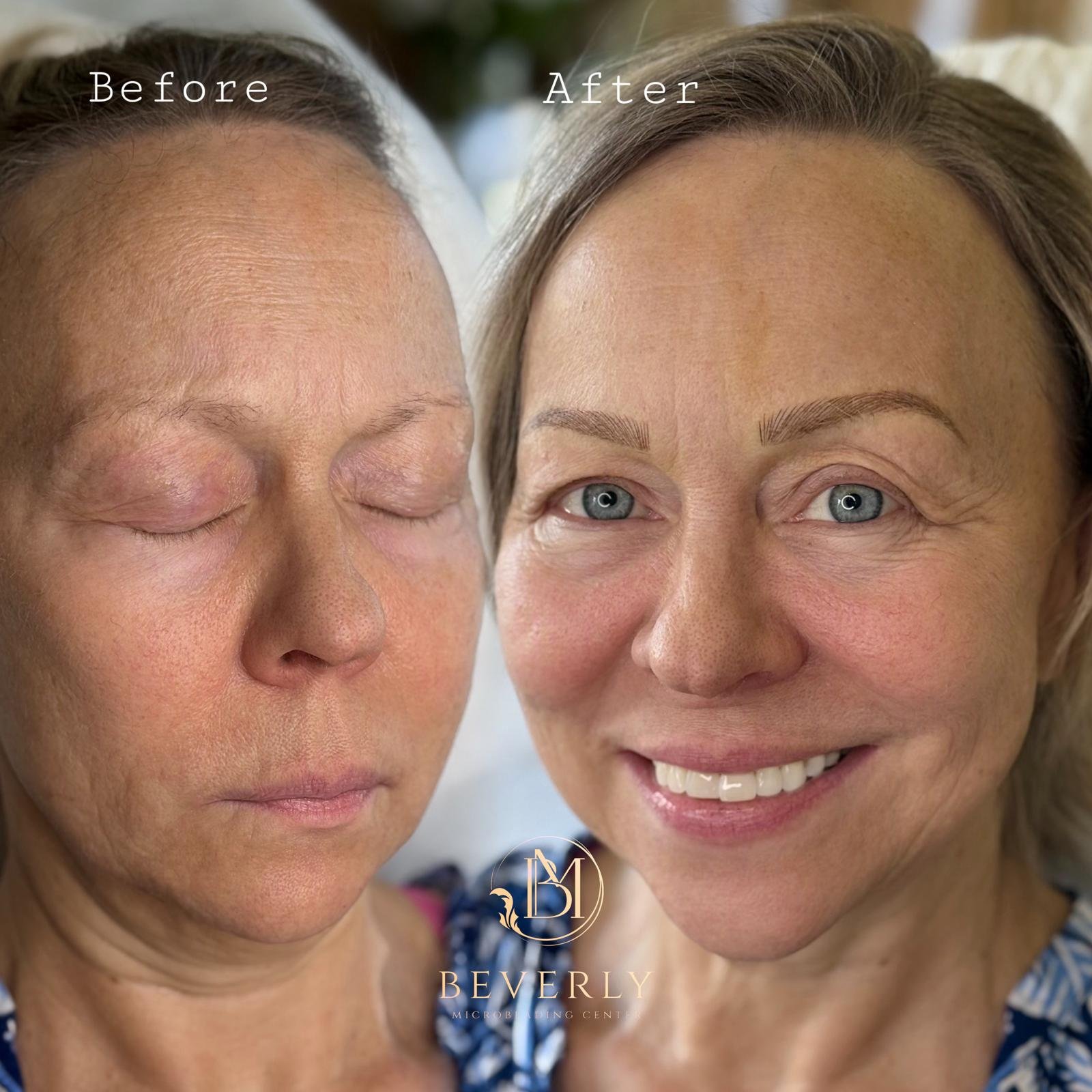
What Does Fibroblasting Before and After Look Like?
What Do Plasma Lift Before and After Photos Show?
How Much Does Plasma Fibroblast Cost?
What Affects Plasma Lift Cost?
How Long Does Plasma Fibroblast Healing Take?
Is Plasma Fibroblast FDA-Approved?
Who Can Perform Plasma Fibroblast Treatment in California?


Featured Post
Learn More From Our Plasma Fibroblast Treatment Blogs